Assembly inspection or assembly verification is key to ensuring that a manufactured item is in the proper condition for subsequent use or commercialization. This also applies to the different components that make up the final product, which is why assembly inspection has been a fundamental part of manufacturing processes for decades.
What is assembly inspection?
Assembly inspection consists of a set of processes aimed at checking and evaluating a product once its assembly has been completed. The purpose of the inspection is to detect errors in the assembly process, as well as to verify compliance with all the requirements defined by the manufacturer or by the regulations applicable to the product.
Any product or component that does not pass inspection is not suitable for use or commercialization. The reasons why a product may fail this process can vary widely—from aesthetic defects that could lead to complaints to, in the worst-case scenario, errors that could pose a danger to users.
For years, the traditional way of performing these inspections has been manual, with one or more people responsible for checking the assembled elements. This verification can be purely visual or may require some type of interaction with the object in question. Today, with the rise of Industry 4.0, these tasks have increasingly become automated. Technologies used range from computer vision to robotics, and even include artificial intelligence.
Limitations of traditional assembly inspection
Assembly inspection performed by people, although effective and proven over time, presents certain limitations that drive the industry to seek new ways to improve processes:
- Human factor: Despite being highly effective and offering faster learning for complex cases, all people are subject to fatigue. After performing the same task for a period of time, it is natural for errors to occur due to tiredness.
- Inspection speed: Production rates continue to increase, requiring inspections to be performed faster or demanding more resources and personnel.
- Assembly complexity: As modern products become more complex—incorporating electronic components and even AI—the difficulty of properly inspecting and verifying their quality also increases.
These are just some of the limitations of traditional inspection. Many others may arise depending on the product and the complexity of its components, making this an important consideration when defining the overall production process.
How assembly inspection with computer vision works
One of the most widely used technologies today for assembly inspection is computer vision.
Computer vision inspection uses one or more cameras to capture images of the object being inspected. These images are then processed—either in real time or afterward, depending on production needs—to determine whether they meet the established requirements.
Image processing is typically carried out on dedicated equipment or on servers within the production line. To determine whether a product is correctly assembled, various computer vision techniques are used depending on the product. Additionally, with recent advances, it is now common to find systems that directly apply AI or deep learning models to images for assembly inspection.
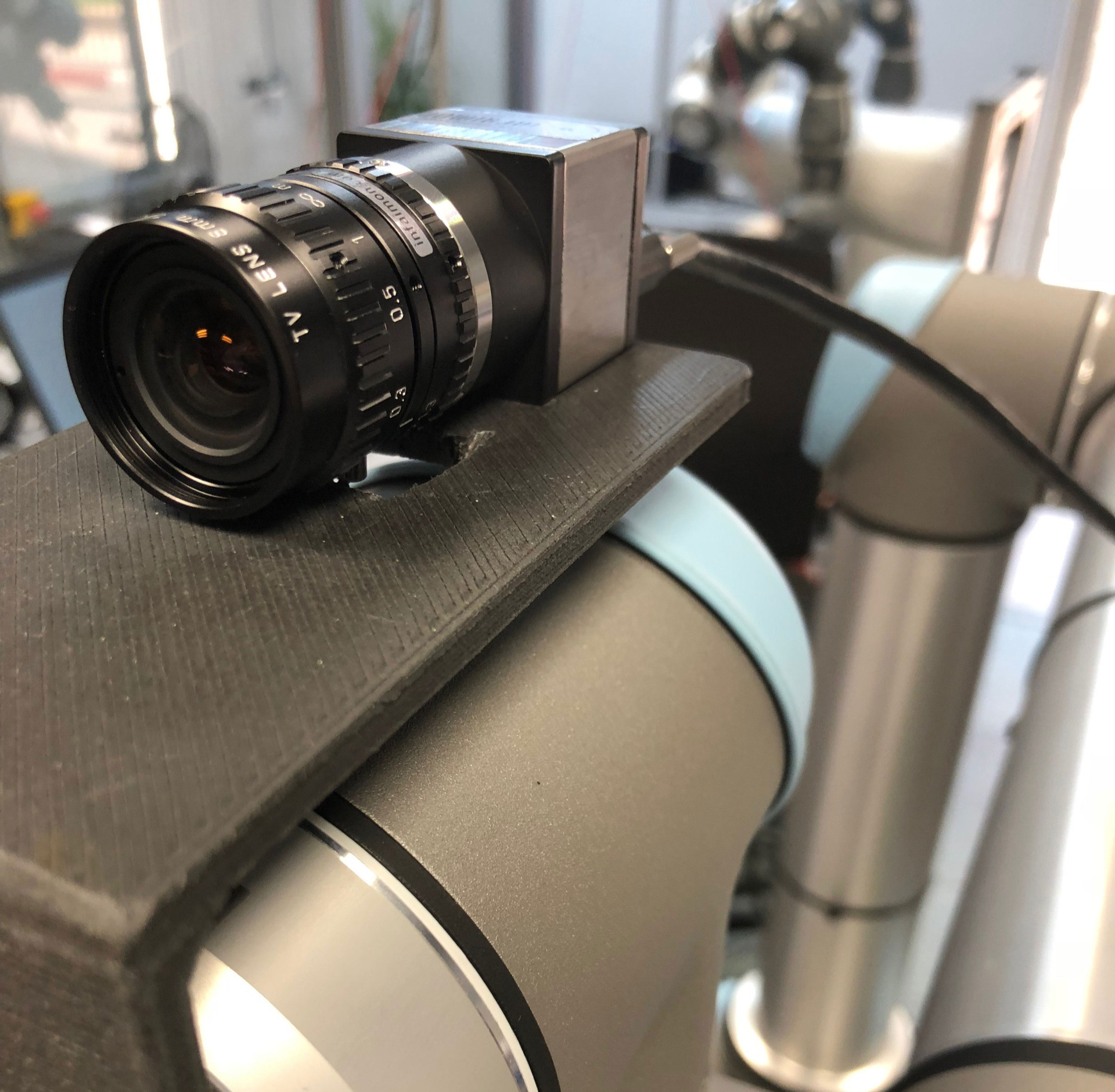
Types of assembly inspection
As mentioned, computer vision is one of the most widely used technologies today due to its versatility. ATRIA has used this technology in multiple assembly inspection projects:
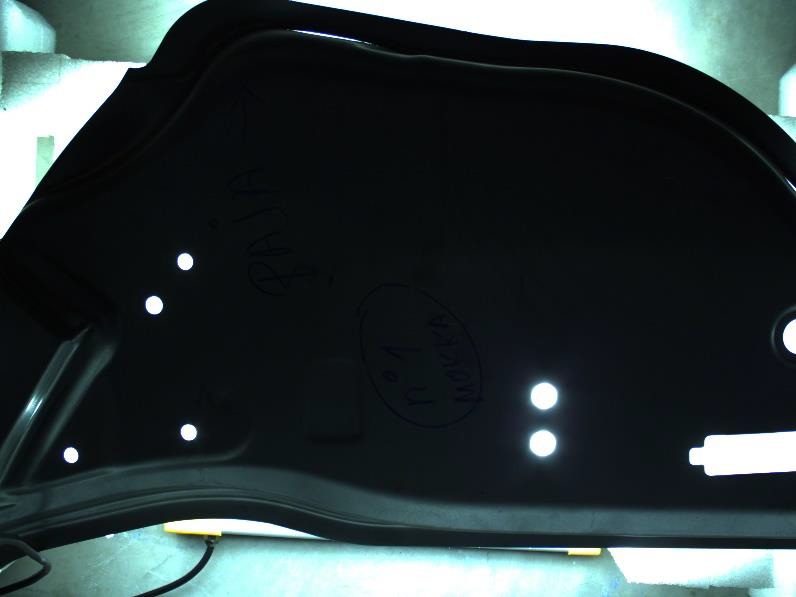
Additionally, assembly inspections have also been carried out using other technologies, from robotics to sensors. For example, humidity sensors can be used to determine whether a final product falls within established limits.
How to implement an assembly inspection system in your line
When implementing an assembly inspection system, the first step is to define the inspection points. For some products, inspecting the entire product is inefficient and often unfeasible. Therefore, critical points must be identified—either because a failure at these points renders the product unusable or because it could pose a safety risk to the end user.
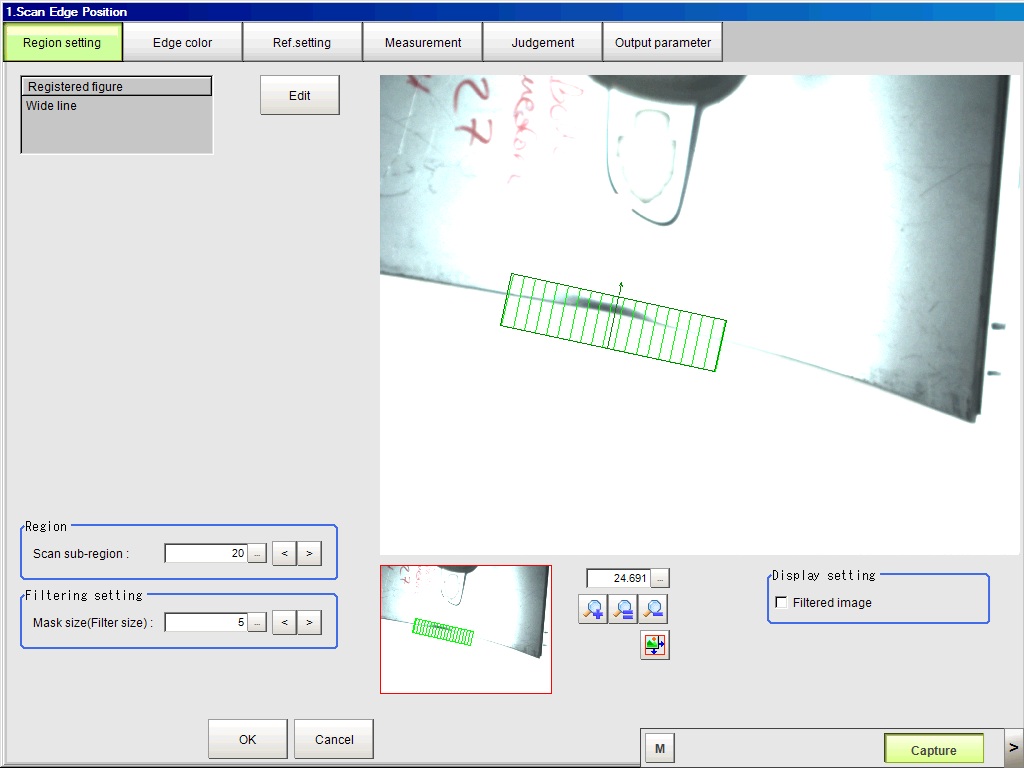
Another way to define inspection points is based on the manufacturing method, identifying where failures are most likely to occur. It is essential to properly define these points, as allocating resources to inspect areas where failures are highly unlikely or insignificant is inefficient.
As discussed, there are various methods for performing assembly inspection. When implementing a system, it is crucial to determine which type will be used. Electrical connection testing may be very precise, but a vision system can detect other issues such as improperly secured cables. A combination of both approaches may reveal defects that would not be detected using only one.
Once inspection points and methods are defined, it is important to establish data storage and tracking. When an assembly error is detected, the system must be able to associate the generated data with the specific product. This can be done in several ways, such as reading a code on the part or receiving data directly from the production system.
Benefits of assembly inspection: quality, efficiency, and cost reduction
As explained, assembly inspection—although it may require an initial investment—provides significant benefits and reliability. It ensures that products leave the production line in optimal condition. If an error is detected, it can be addressed as early as possible, saving resources and potentially allowing the product to be recovered for commercialization.
Moreover, ensuring that only products that meet all requirements reach the end user enhances brand reputation by minimizing errors. Maintaining records of this process also provides assurance, as it demonstrates that the product was in optimal condition at the end of assembly. This helps prevent legal issues and strengthens customer trust.
Are you interested in implementing an effective assembly inspection system in your industry? Contact us!