Permeability tests of materials make it possible to determine a material’s ability to allow or prevent the passage of substances through its structure. This property is especially relevant in fields such as the food industry, packaging in general, construction, and environmental management, where contact between materials and water is constant. In the case of water vapor permeability testing, understanding permeability helps to determine how materials will behave when exposed to moisture, leaks, or water pressure.
Today, these tests have become highly important due to the need to produce more durable and efficient materials, avoiding problems caused by leaks that may lead to premature deterioration or structural failures in final products. They are also key for designing proper drainage systems and water control.
In addition, these tests help improve material quality and optimize their application in different projects. In today’s post, we explain everything you need to know about water vapor permeability testing. Don’t miss it!
What does a permeability test consist of?
A permeability test is a procedure used to determine a material’s ability to allow a substance to pass through its structure. In the specific case of water vapor, this test is carried out to understand the hydraulic behavior of the material when it comes into contact with water or moisture.
In general, a permeability test involves the following steps:
- A representative sample of the material is selected.
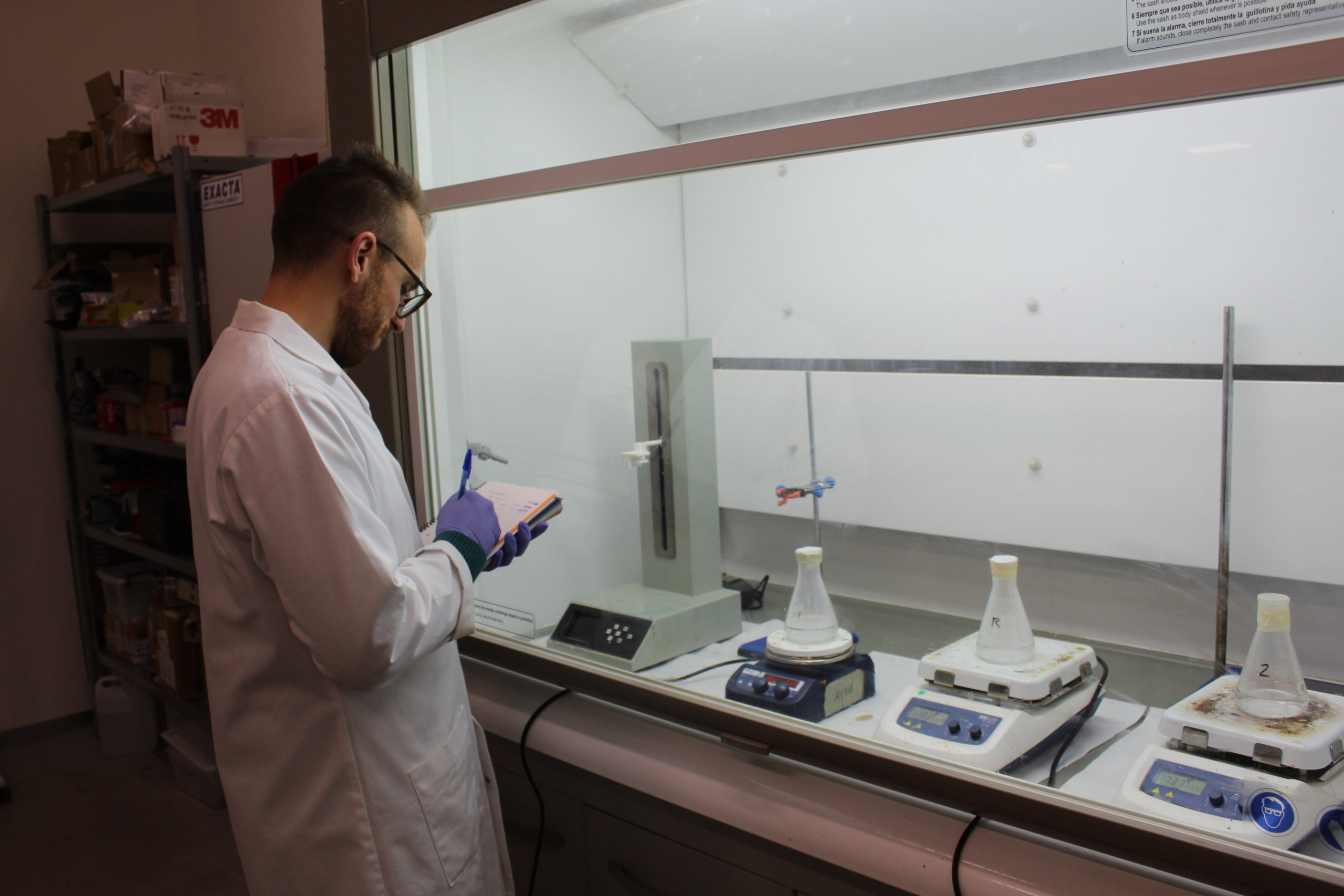
- The sample is placed in a specific testing device that allows water to pass through it and measures variables such as flow rate, pressure, or time.
- Water is passed through the sample under controlled pressure or hydraulic load conditions. During the process, the amount of water that passes through the material over a given time interval is measured.
- With the data obtained, the permeability coefficient can be calculated, indicating how easily water flows through the material.
Types of permeability tests
There are different types of permeability tests depending on the material and the field of study.
- In construction and civil engineering, they are used to evaluate how water passes through soils, concrete, rocks, or membranes, and are essential for dams, retaining walls, and foundations.
- In the food industry, permeability tests focus on packaging materials, measuring their ability to prevent the passage of water, oxygen, carbon dioxide, or aromas, which directly affects shelf life and food quality.
- In other scientific fields, such as pharmaceuticals or chemistry, they are used to study the permeability of membranes, filters, or polymers to liquids and gases, ensuring process and product effectiveness.
Each test is adapted to the nature of the material, the conditions of use, and the objectives of the study, allowing its hydraulic or barrier properties against water vapor to be characterized. Therefore, permeability becomes a key parameter across multiple disciplines. These tests also help optimize materials, ensure safety, and comply with specific technical standards, guaranteeing that products perform correctly in their final application. Overall, the variety of tests reflects the importance of understanding how liquids or gases interact with different materials.
Permeability testing in the food industry
Permeability tests in the food industry are used to evaluate the ability of packaging materials to allow or prevent the passage of water, gases, or aromas. Their objective is to ensure the preservation, quality, and safety of food during storage and transport. In this way, they help select suitable packaging materials, design efficient containers, and optimize product shelf life. They also support compliance with regulations and quality standards required in the food industry. Thanks to these tests, manufacturers can offer safer and fresher products to consumers. Permeability thus becomes a key parameter in packaging engineering and food preservation.
Among the many defined permeability tests, one of the most common is WVTR (Water Vapor Transmission Rate), which measures the amount of water vapor that passes through packaging—important for moisture-sensitive products such as biscuits or dehydrated foods. Another key test is oxygen permeability (OTR), which determines how much oxygen can enter the package, protecting foods prone to oxidation such as oils or nuts. Carbon dioxide permeability tests are also carried out, essential for carbonated beverages or products in modified atmospheres. In addition, permeability to aromas and volatile compounds is evaluated to prevent loss of aroma or contamination from external odors.
WVTR Test (Water Vapor Transmission Rate)
The WVTR permeability test, or water vapor permeability test, measures the amount of water vapor that passes through a packaging material over a given time, evaluating its ability to protect moisture-sensitive foods. It is essential for products such as biscuits, snacks, coffee, and dehydrated foods. The most commonly used standard is ASTM F1249, which specifies temperature, humidity, and equipment conditions to obtain accurate results.
The methodology involves placing a sample of the material in a test cell, separating a high-humidity chamber from a dry one. The amount of water vapor passing through the material over a set period is measured. The data obtained allow the calculation of the vapor transmission rate, expressed in g/m²·day.
This test helps compare different packaging materials and select the most suitable one. It also enables optimization of packaging design to extend food shelf life. It is carried out under controlled laboratory conditions, ensuring repeatability and reliability. WVTR is key for products sensitive to changes in environmental humidity.
 Would you like to carry out a water vapor permeability test on any of your materials? Would you like to improve any of your packaging products? Contact us!