Digital transformation is driving significant changes across all industrial sectors. Among the technologies having the greatest impact on manufacturing processes, computer vision stands out as a tool capable of automating inspection and quality control tasks with a level of precision and speed that is difficult to achieve using traditional methods.
Companies are increasingly looking to optimize their production processes, reduce costs, and ensure that the products reaching the market meet the required quality standards. In this context, quality control through computer vision has become a strategic solution for improving competitiveness and minimizing errors.
In this blog post, we will explain what quality control is, how computer vision works, its main applications, and the benefits it brings to industrial companies.

What is quality control and what are its objectives?
Quality control is the set of procedures, techniques, and activities aimed at verifying that a product, process, or service meets established requirements and specifications. Its main purpose is to ensure that products delivered to customers maintain a consistent level of quality and meet market expectations.
Traditionally, many quality control tasks have been carried out by operators who visually inspected products to detect defects or anomalies. However, this method can be affected by factors such as fatigue, subjectivity, or production speed.
The main objectives of a quality control system are:
- Detect defects or errors during the production process
- Ensure compliance with technical specifications
- Reduce the number of defective products
- Lower costs associated with rework and returns
- Improve customer satisfaction
- Increase efficiency and productivity
- Comply with industry quality regulations and standards
Technological evolution has made it possible to automate many of these tasks through intelligent systems capable of analyzing products in real time, giving rise to quality control through computer vision.

What is computer vision?
Computer vision is a technology that enables computer systems to capture, process, and interpret images in order to obtain useful information about objects, products, or environments.
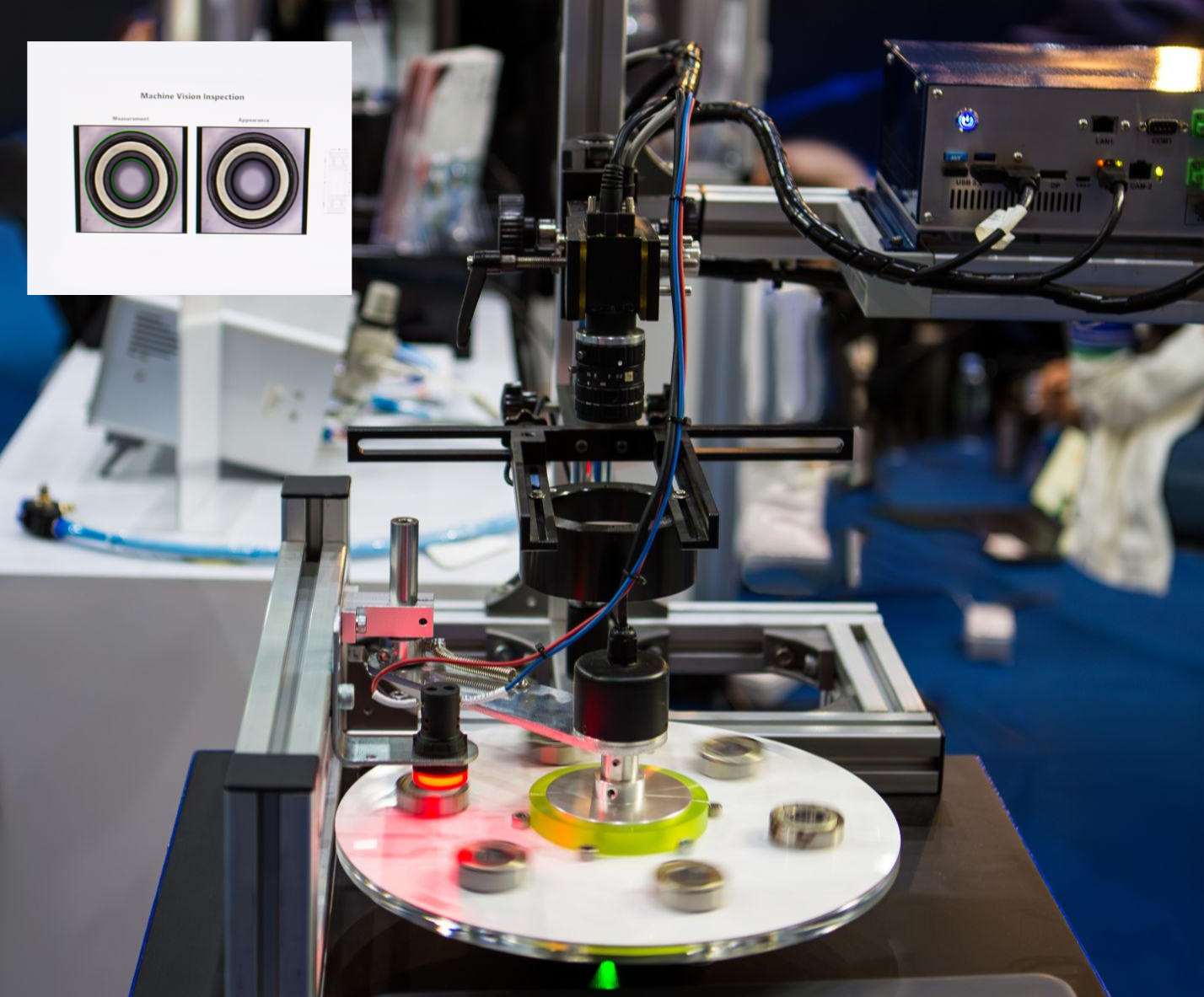
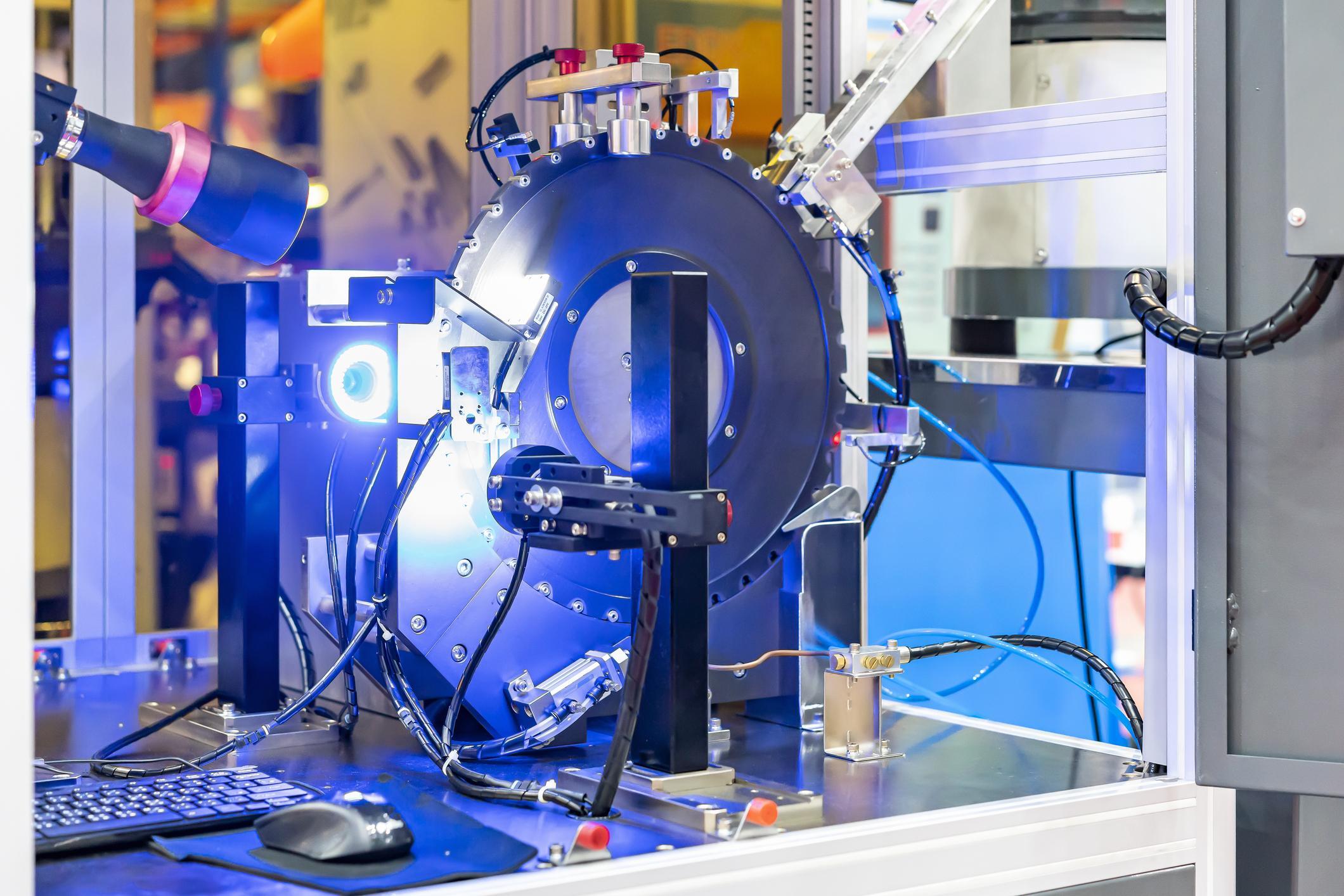
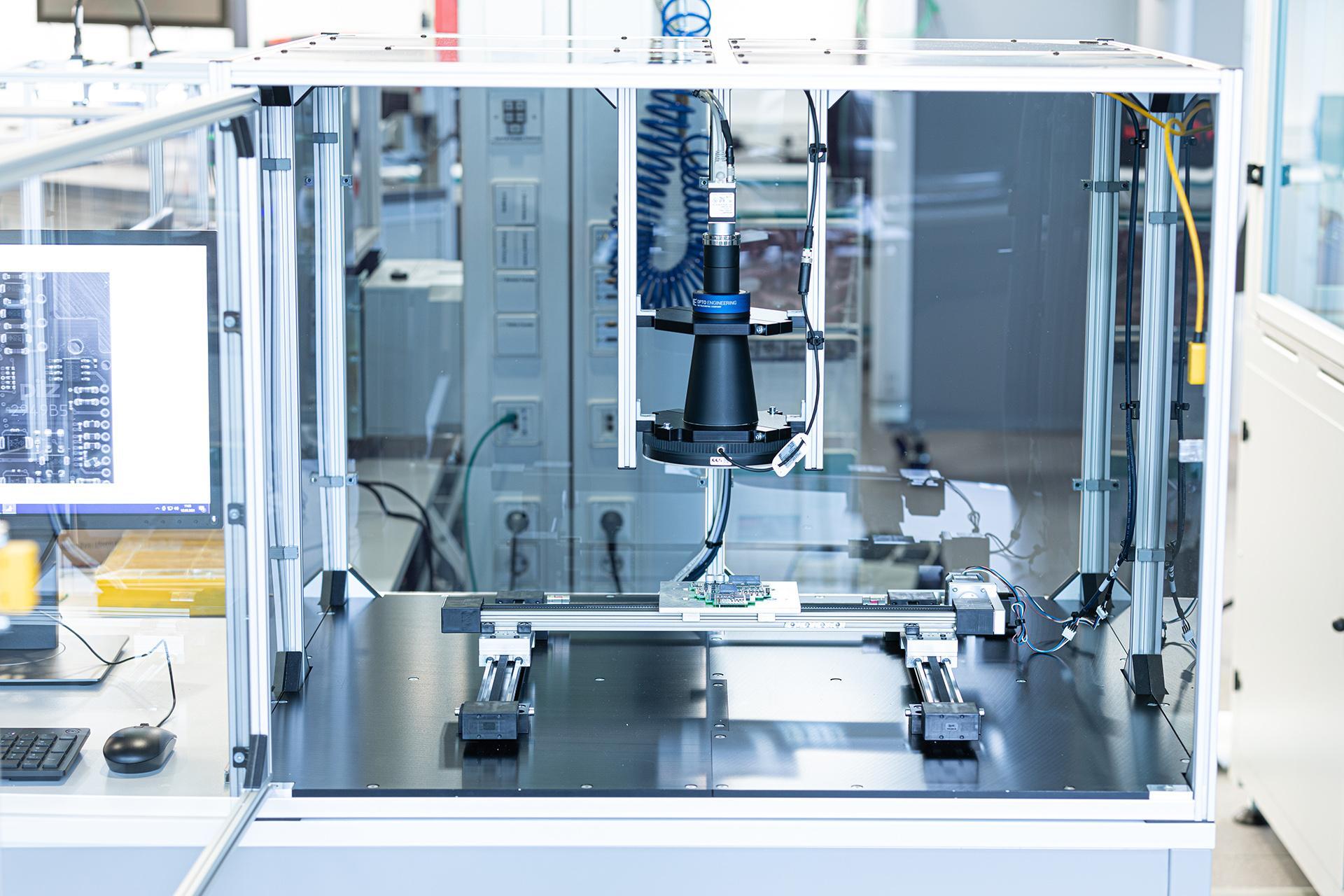
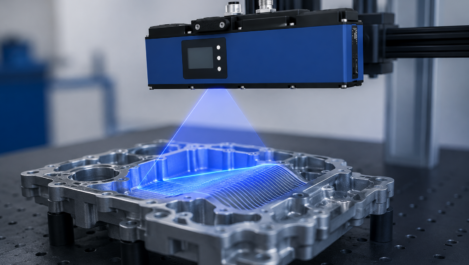
Its operation is based on the use of industrial cameras, lighting systems, sensors, and image-processing algorithms that automatically analyze whatever is in front of the camera.
The goal is for a machine to be able to “see” and make decisions in a similar way to a person, but with much greater speed, precision, and repeatability.
A computer vision system is usually composed of the following elements:
- Industrial cameras: They capture images of the products or processes to be inspected. Depending on the application, 2D or 3D cameras may be used.
- Lighting systems: Lighting is a critical factor in obtaining high-quality images. Proper lighting helps highlight specific features and improve defect detection.
- Processing software: It analyzes the captured images and applies algorithms to identify patterns, measure dimensions, detect defects, or verify the presence of components.
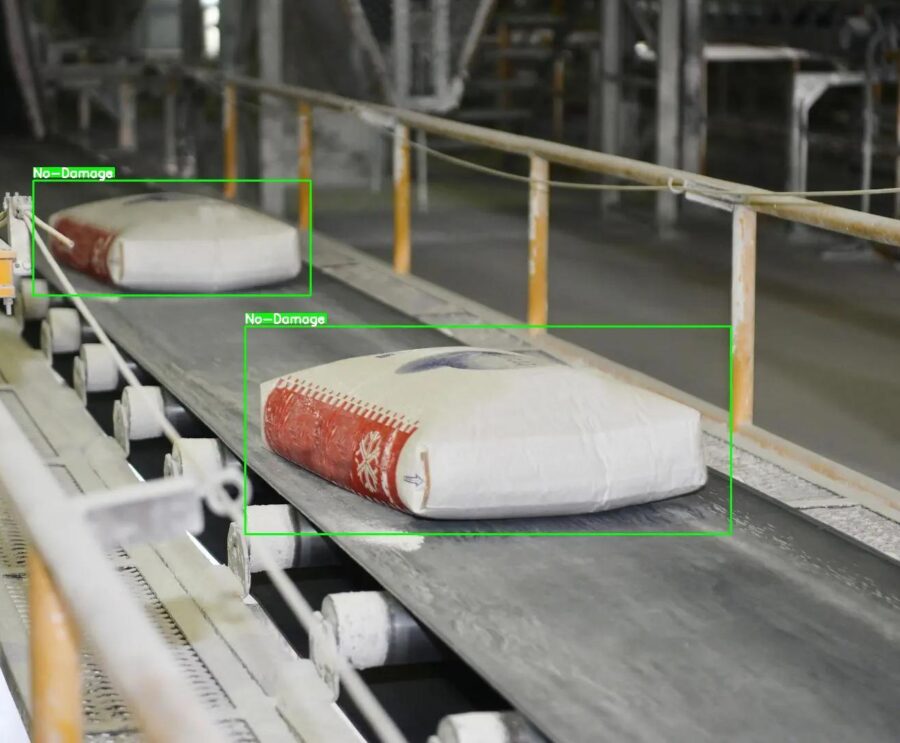
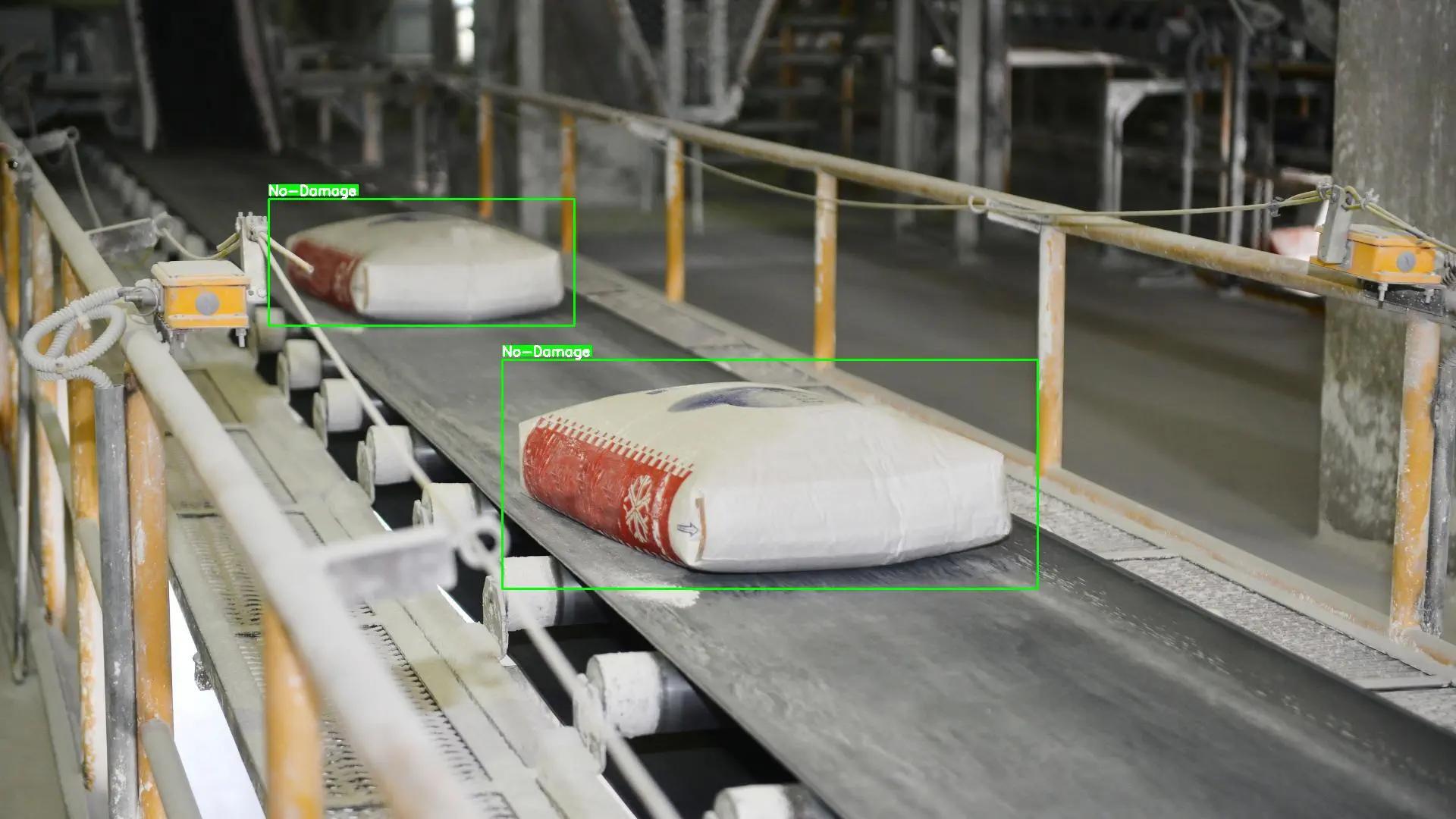
Once the image has been analyzed, the system determines whether the product meets the established criteria and can trigger automatic actions, such as removing a defective part from the production line.
Thanks to the incorporation of technologies such as artificial intelligence and machine learning, today’s systems are capable of learning from large volumes of data and continuously improving their detection capabilities.
How does quality control with computer vision work?
Quality control through computer vision follows a relatively simple workflow:
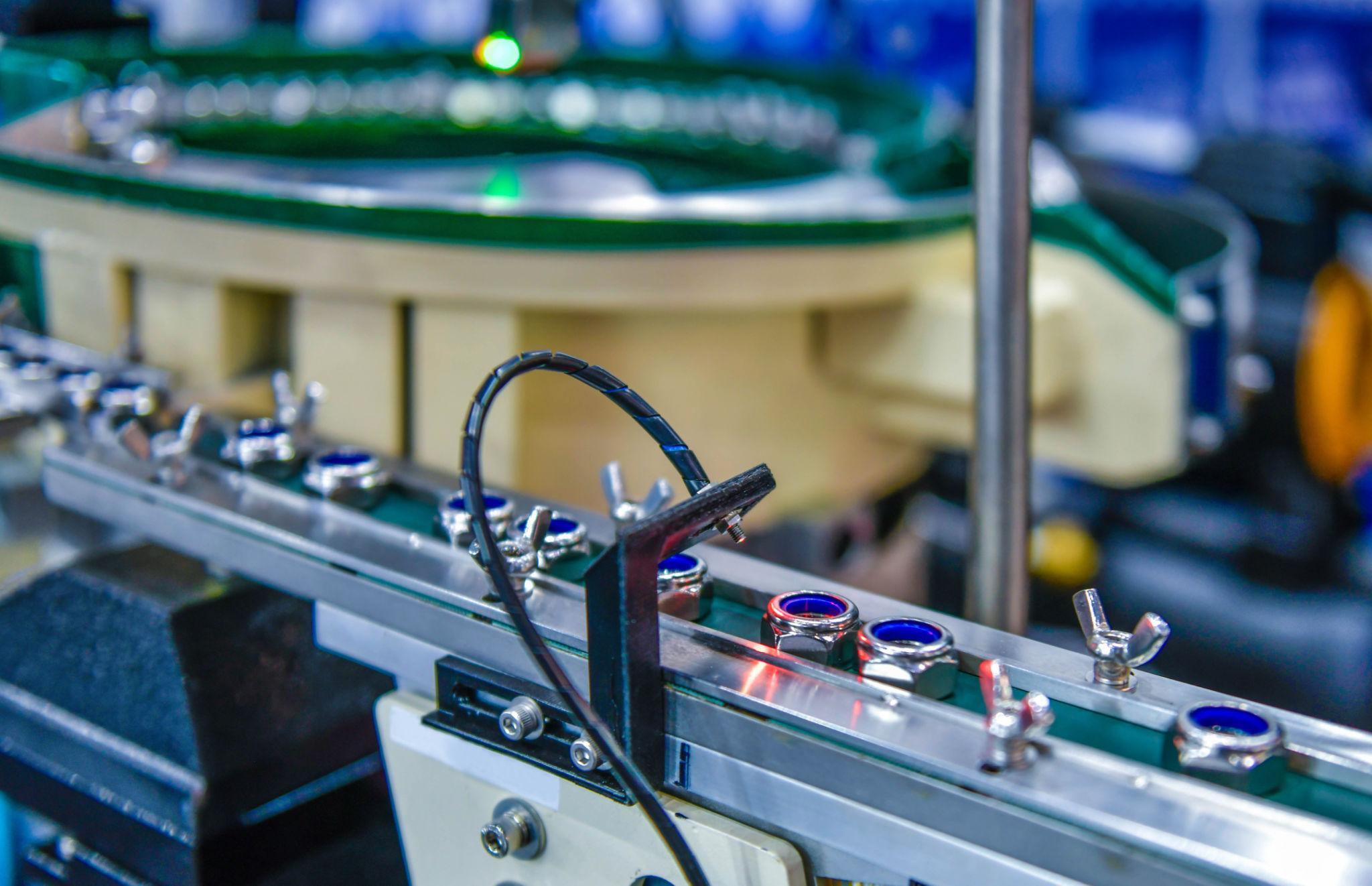
- The product passes through an inspection station.
- One or more cameras capture images of the product.
- The software processes the images in real time.
- The detected features are compared with the defined parameters.
- The system determines whether the part is valid or defective.
- An automatic action is executed, such as accepting, rejecting, or classifying the product.
This entire process can be completed in just milliseconds, allowing inspection of total production without affecting manufacturing speed.
Applications of quality control with computer vision
The versatility of computer vision makes it suitable for a wide variety of inspection and control tasks. Below are some of its main applications.
-
Surface defect detection: Systems can identify scratches, cracks, stains, deformations, or imperfections that might go unnoticed during manual inspection.
-
Dimensional verification: They make it possible to check measurements, tolerances, and part geometries with great precision, ensuring compliance with design specifications.
-
Assembly inspection: They verify that all components are present and correctly assembled before the product continues along the production line.
-
Labeling and packaging control: They check that labels are correctly positioned, that printed information is legible, and that packaging meets established requirements.
-
Code reading: Computer vision systems can read barcodes, QR codes, or industrial markings to ensure product traceability.
-
Automatic classification: They allow products to be classified according to size, shape, color, or any other previously defined characteristic.
-
Real-time process control: In addition to inspecting finished products, computer vision can monitor complete production processes to detect deviations before they generate defects.

Benefits of implementing quality control with computer vision
Implementing computer vision systems brings numerous operational and economic advantages.
-
Greater precision: Machines can detect extremely small defects that would be difficult to identify through human visual inspection.
-
Continuous inspection: Unlike operators, automated systems can operate 24 hours a day while maintaining the same level of performance.
-
Reduction of human error: Fatigue, distraction, and subjectivity no longer affect the inspection process.
-
Increased productivity: The speed of analysis allows thousands of parts per hour to be inspected without slowing down production.
-
Lower operating costs: Although the initial investment may be significant, the savings generated by reducing defects, rework, and claims often result in a rapid return on investment.
-
Improved traceability: The information generated by computer vision systems can be stored for later analysis and to support quality audits.
-
Greater customer satisfaction: By reducing the likelihood of defective products reaching the market, overall quality perception and customer trust are improved.
Applications across industries
Today, computer vision is used in virtually every industrial sector.
Automotive industry
Food industry
Pharmaceutical industry
It is used to inspect blister packs, verify packaging integrity, control batch printing, and ensure regulatory compliance.
Electronics industry
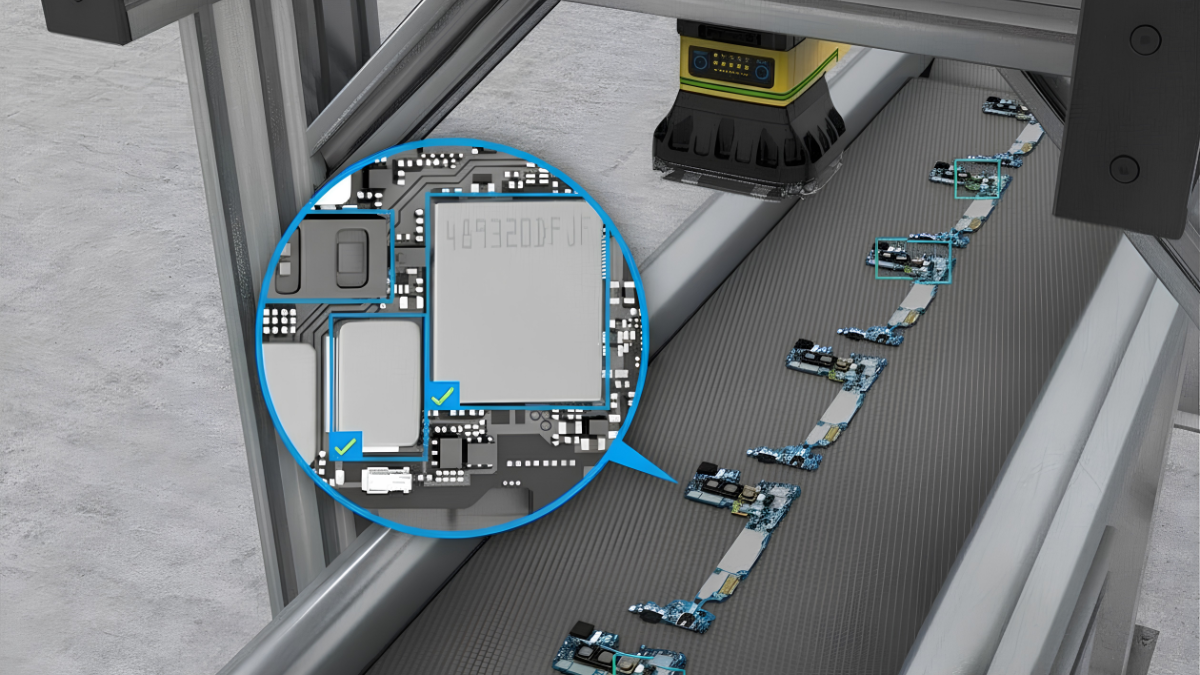
It facilitates printed circuit board inspection, electronic component verification, and microscopic defect detection.
Metallurgical industry
It helps identify cracks, deformations, and surface defects in metal parts during the various stages of manufacturing.
Logistics industry
It enables the automated identification, classification, and tracking of packages through code-reading systems and visual recognition.
Challenges and considerations for implementation
Although the benefits of computer vision are numerous, implementing these systems requires proper planning to ensure project success.
Defining objectives
Before implementing a computer vision solution, it is essential to clearly identify the problems to be solved. Some companies aim to detect surface defects, while others need to perform precise measurements or verify complex assemblies.
Image quality
System performance depends largely on the quality of the captured images. Factors such as lighting, camera positioning, and environmental conditions can directly influence inspection accuracy.
Integration with existing processes
The solution must adapt to the production line and communicate correctly with other industrial systems such as PLCs, robots, or data management platforms.
Data management
Computer vision systems generate a large amount of information that can be used to improve production processes. It is important to define how this data will be stored, analyzed, and leveraged.
Initial investment and return on investment
The acquisition of cameras, lighting systems, software, and processing equipment involves an initial investment. However, in most cases, defect reduction, increased productivity, and lower operating costs make it possible to achieve a return on investment in a relatively short period.
Training and maintenance
Although the systems are highly automated, it is advisable for staff to receive basic training to interpret results, make adjustments, and ensure the proper functioning of the installation.
Success stories and real examples
Some of the success stories developed at ATRIA include:
PERTE VEC: Defect detection in vehicle bodywork
In the automotive sector, the surface quality of bodywork is a critical aspect from both an aesthetic and functional point of view. For one of our vehicle manufacturing clients, we developed an automated inspection system based on computer vision and artificial intelligence with the aim of detecting paint defects and reducing errors associated with manual inspections.
The solution involved the installation of high-resolution cameras and an optimized lighting system to capture images of the bodywork under controlled conditions. Advanced digital processing techniques and deep learning models, trained with thousands of examples of real defects, were applied to these images.
Thanks to this technology, the system is capable of automatically identifying and classifying imperfections that may be difficult to detect even by the human eye. In addition, the solution was integrated directly into the production line, enabling real-time inspections and facilitating immediate corrective decision-making.
The project improved the efficiency of quality control, increased process traceability, and reduced costs associated with vehicle rework.
PHOTONICS4BAKERY: Computer vision for quality control in bakery products
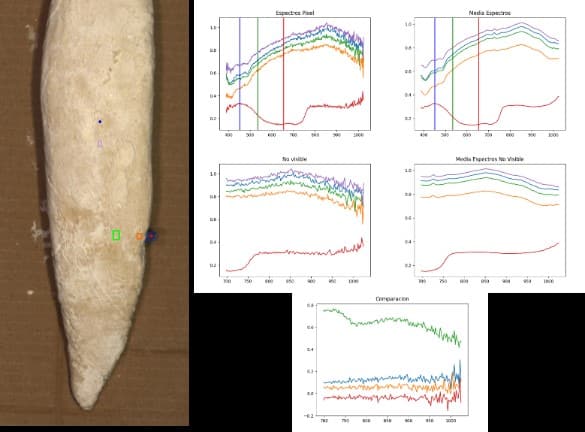
As part of the PHOTONICS4BAKERY project, we participated in the development of a solution based on computer vision and hyperspectral technology to automate quality control in bakery product manufacturing processes.
The main objective was to automatically determine critical production process parameters, such as dough fermentation status, ingredient composition, and the detection of foreign bodies in products. To do so, NIR and VIS-NIR hyperspectral cameras were used, capable of capturing information beyond conventional imaging and analyzing characteristics invisible to the human eye.
Based on the images obtained, we developed classification algorithms and predictive models capable of identifying the presence of foreign materials, determining the fermentation level of bread loaves, and estimating parameters related to dough composition, such as water, fat, protein, or salt content.
The results demonstrated the feasibility of the technology for carrying out automatic, non-invasive, real-time quality control, improving final product consistency and optimizing manufacturing processes within the food industry.

INSPEC: Detección de defectos en piezas metálicas mediante visión artificial
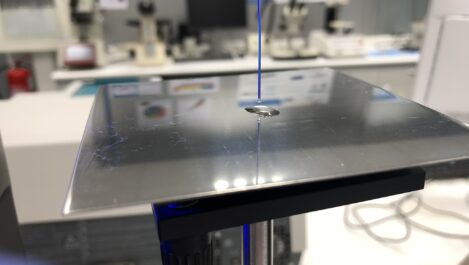
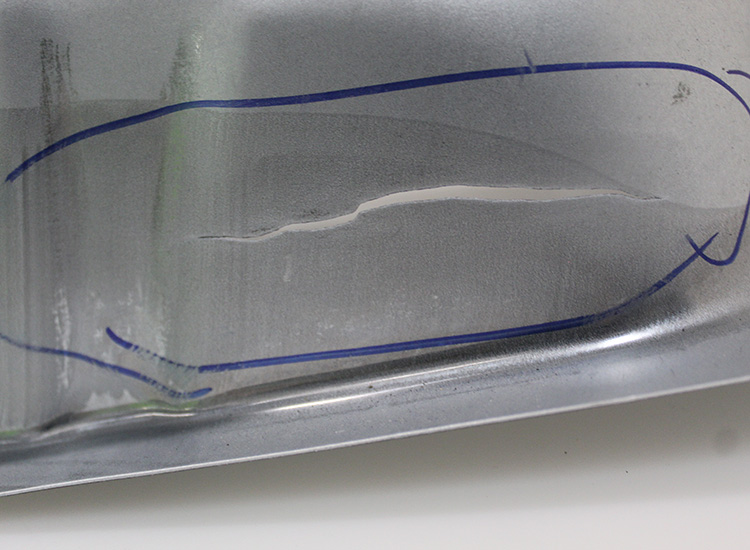
Within the INSPEC project, we developed a computer vision and artificial intelligence solution aimed at the automatic detection of cracks and surface defects in metal parts manufactured through stamping processes for the automotive sector.
The objective of the project was to improve quality control during manufacturing by identifying defects at an early stage that could affect part functionality and generate costs associated with rework, rejects, or scrap generation.
To achieve this, we carried out a detailed analysis of the parts and manufacturing conditions in order to select the most suitable cameras and lighting systems for each case. Based on images obtained directly from production, we developed proprietary algorithms based on neural networks and machine learning techniques capable of distinguishing between normal process variations and real defects.
The solution made it possible to automate the inspection of metal parts and achieve detection rates above 90% for the defects of interest. As a result, it was possible to reduce waste generation, minimize rework operations, and improve the overall efficiency of the production process.

The future of quality control: computer vision and artificial intelligence
The integration of artificial intelligence is taking computer vision to a new level. Today’s systems not only identify previously programmed defects, but can also learn from new situations and adapt to changes in production processes.
Thanks to the use of neural networks and deep learning models, it is possible to detect complex patterns, continuously improve inspection accuracy, and reduce the need for manual configurations.
This evolution will allow quality control systems to become increasingly autonomous, flexible, and capable of meeting the demands of Industry 4.0.

Conclusion
Quality control through computer vision has become a key tool for companies seeking to increase the efficiency of their production processes and ensure the highest quality of their products.
The ability to automatically inspect 100% of production, detect defects with high precision, and generate valuable information for continuous improvement makes this technology a strategic investment for any industry.
As artificial intelligence continues to evolve, computer vision systems will become even more powerful, consolidating their position as one of the technological pillars of the smart factory and the industry of the future.
Would you like to learn more about quality control through computer vision applied to industrial processes? Contact us!