

Post

The danger of microplastics

Technologies
Microplásticos

For decades, industry pursued the same goal: developing materials that were stronger, lighter, and more durable. In this context, plastic became arguably the greatest technological success of the 20th century. It transformed entire sectors, from packaging and automotive manufacturing to medicine, construction, and electronics.

However, the very characteristic that made it a revolutionary material—its exceptional stability—has ultimately created one of the most complex environmental and technological challenges of our time.

When we talk about microplastics, the conversation usually focuses on pollution. However, this perspective may be too limited. Microplastics are not the problem itself, but rather a symptom of something deeper.

The real challenge is that we have lost the ability to control millions of tons of materials once they leave the production systems for which they were designed. This is, fundamentally, a problem of traceability, material management, and industrial design.

Microplásticos

What are microplastics?

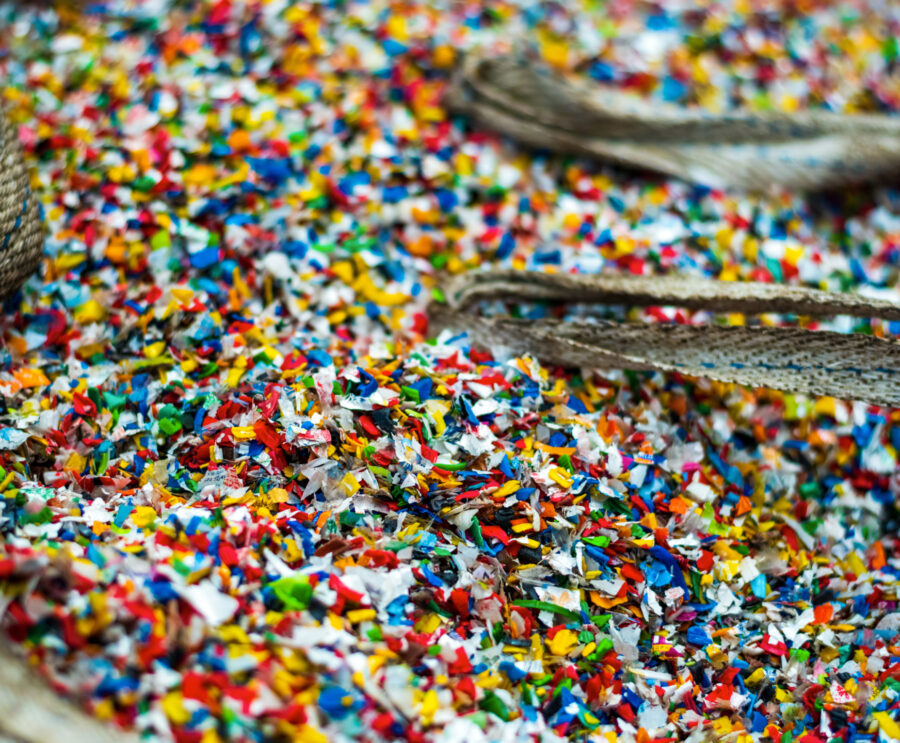
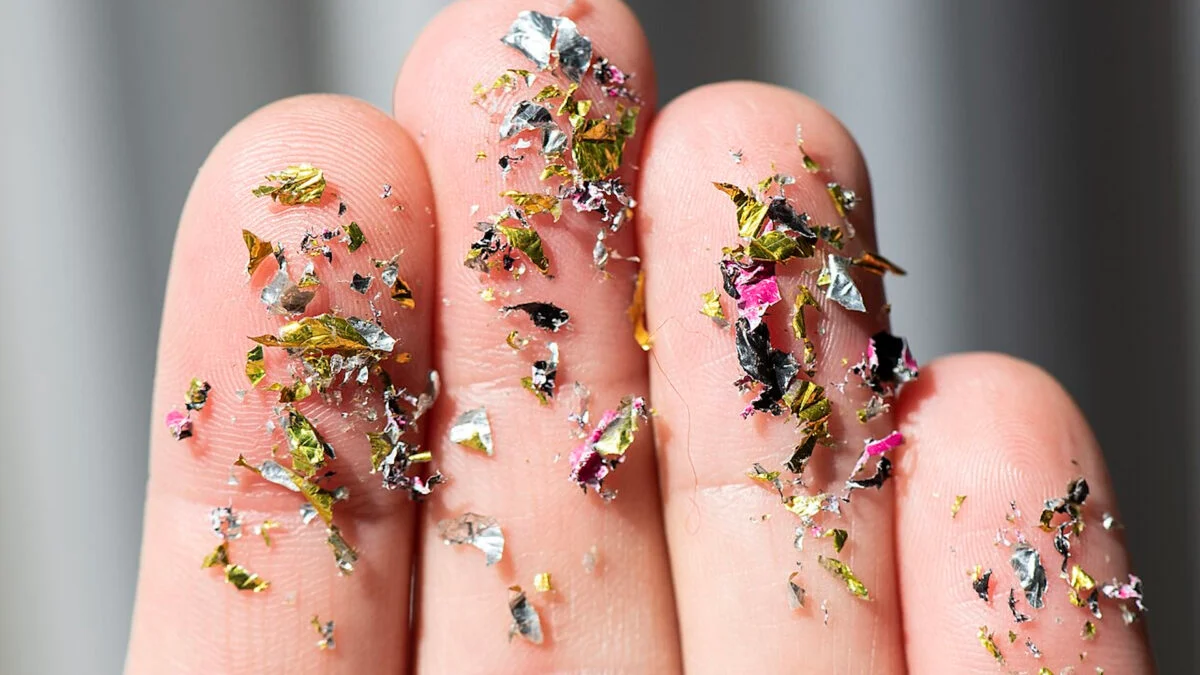
Microplastics are solid particles of synthetic polymers measuring less than 5 millimeters in size. Although they are often invisible to the naked eye, they are present in virtually every ecosystem and supply chain.

Their defining characteristic is not their size, but their persistence. Unlike many natural materials, synthetic polymers do not disappear when they degrade. Instead, they progressively fragment into increasingly smaller particles that remain in the environment for long periods of time.

From an engineering perspective, microplastics represent the final stage of a material whose traceability has been completely lost. What began as a product with a specific function ultimately becomes dispersed particles that are difficult to identify, monitor, and recover.

Types of microplastics

Microplastics are classified according to their origin:

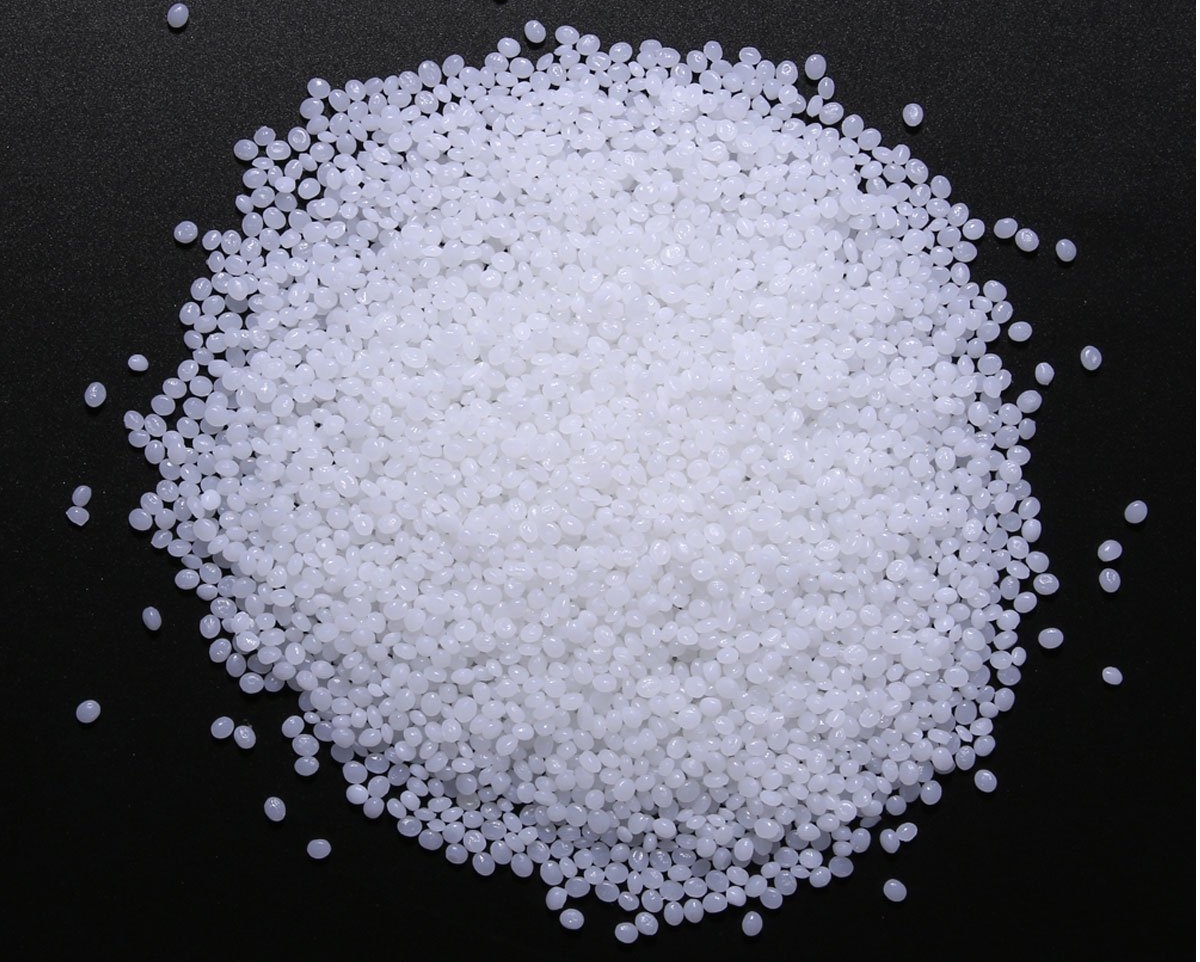
  • Primary microplastics: These are intentionally manufactured at microscopic sizes. They include plastic pellets or resin granules used as raw materials, as well as microparticles found in cosmetics and cleaning products.
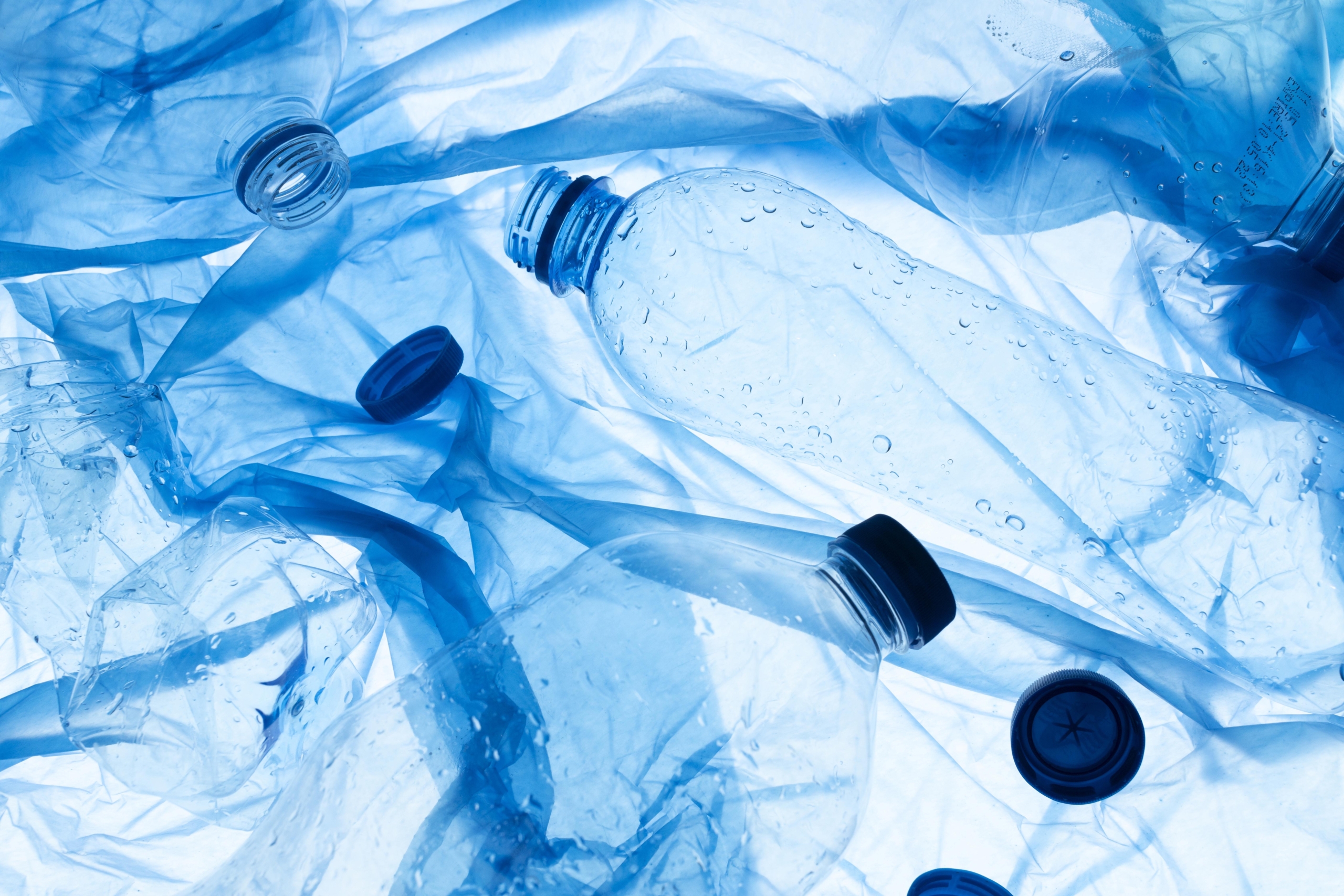
  • Secondary microplastics: These are generated through the degradation of larger plastic objects. Ultraviolet radiation, mechanical abrasion, and oxidation cause packaging, bags, textiles, tires, and fishing nets to progressively fragment over time.

Secondary microplastics account for the majority of microplastics found in the environment. With each stage of fragmentation, particles become more difficult to recover and more challenging to monitor, amplifying the problem over time.

Microplásticos

Microplastics in water, food, and the human body

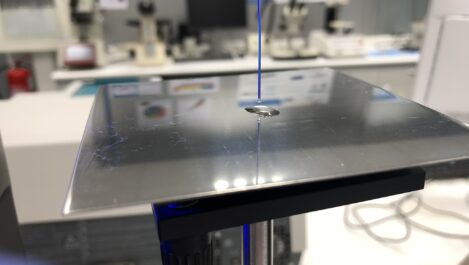
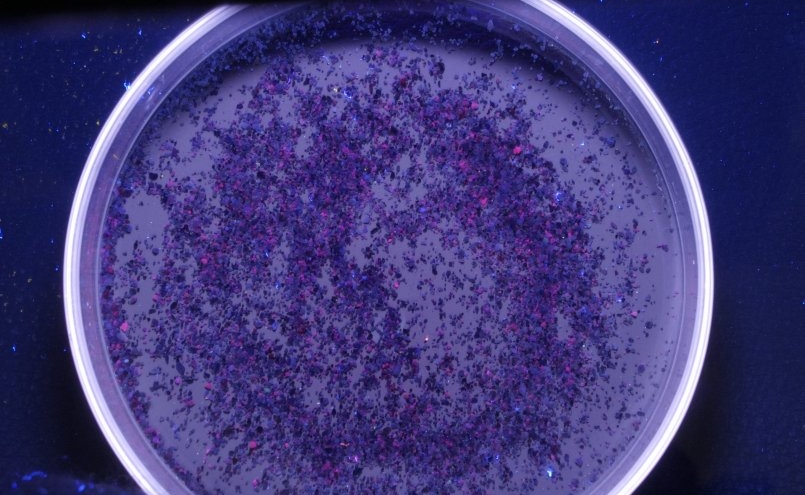
Microplastics have achieved global distribution and are found in oceans, rivers, agricultural soils, and drinking water systems. Their continued fragmentation produces nanoplastics, whose detection requires advanced analytical techniques such as spectroscopy, specialized microscopy, and chemical material characterization.

This widespread presence has facilitated their entry into the food chain. They have been detected in fish, seafood, table salt, bottled water, and other commonly consumed products. This dietary exposure pathway directly connects to emerging evidence of their presence in the human body, where they have been identified in blood, lungs, placentas, and even brain tissue. This suggests systematic incorporation through ingestion and inhalation, although their long-term biological impact is still under investigation.

Adding to this challenge is the composition of plastics themselves. Many polymers contain chemical additives such as plasticizers, stabilizers, and flame retardants, which are incorporated to modify properties such as flexibility, durability, and thermal resistance. These compounds can gradually be released during use and degradation. Furthermore, microplastics can act as adsorption surfaces for environmental contaminants, facilitating their transport and potential interaction with biological systems.

Taken together, microplastics represent not only diffuse environmental pollution but also the clearest expression of a material that has escaped control: designed for a specific purpose, yet capable of persisting, fragmenting, and interacting with biological environments for which it was never intended.

Microplastics in industry

Although microplastic pollution has multiple sources, certain industries play a particularly significant role in contributing to the problem.

Microplastics in the fishing industry

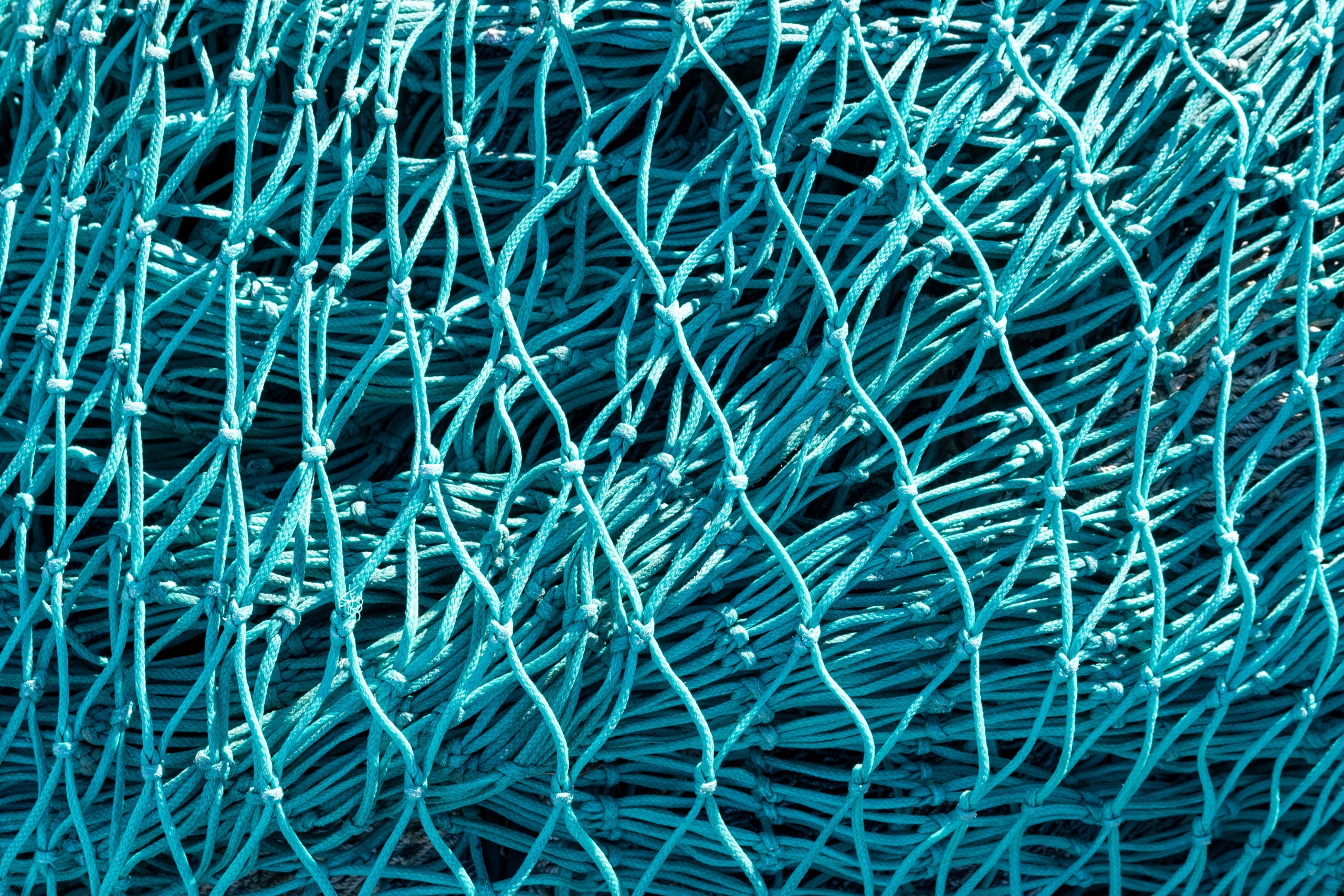
Synthetic polymer-based fishing nets, ropes, and gear have significantly improved the efficiency of fishing activities. However, when these materials are abandoned or lost at sea, they can remain there for decades while gradually degrading.

The fragmentation of this waste generates a major source of microplastics that affects marine ecosystems and species that later become part of the food chain.

Microplásticos

Microplastics in the textile industry

The textile sector is another significant source of emissions. Synthetic fabrics such as polyester, nylon, and acrylic release microfibers during washing and everyday use.

These particles can pass through conventional wastewater treatment systems and ultimately disperse into the environment. The challenge lies not only in managing this waste but also in redesigning materials and processes to minimize particle generation at its source.

microplásticos

Regulations and policy

The European Union has begun responding to this challenge through an increasingly demanding regulatory framework.

Restrictions introduced through the REACH Regulation limit the use of certain intentionally added plastic microparticles in commercial products. At the same time, new regulations aimed at preventing the loss of plastic pellets during manufacturing, transportation, and processing establish specific obligations for industrial operators.

This shift reflects a significant evolution in how the issue is addressed. Traditionally, environmental policies focused on managing waste after it had been generated. Today, the emphasis is moving toward prevention, traceability, and material control before pollution occurs.

Regaining control: Computer vision and machine learning algorithms

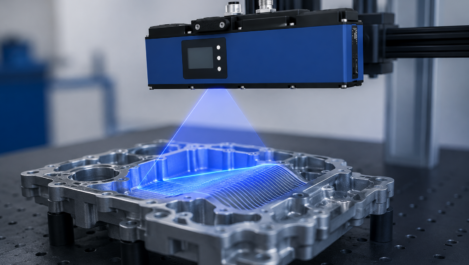
If microplastics represent a loss-of-control problem, the solution necessarily involves recovering information. This is where technologies such as artificial intelligence, advanced computer vision, spectroscopy, and hyperspectral imaging play a strategic role.

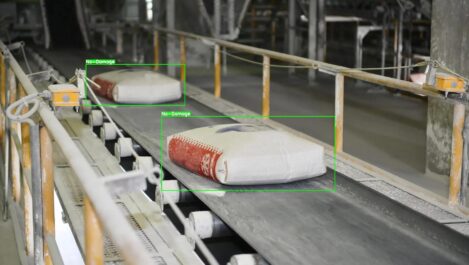
Traditional inspection systems face limitations when analyzing large volumes of material or identifying very small particles. In contrast, the combination of advanced sensors, high-resolution cameras, and machine learning algorithms makes it possible to identify specific polymers, detect contaminants, and classify materials with high levels of accuracy.

These technologies not only improve waste management but also enable the monitoring of material losses in industrial processes, optimize plastic separation, and generate critical information for more efficient circular economy models.

Microplásticos

Designing materials that do not generate microplastics

For decades, plastic development has focused on maximizing performance in specific applications: strength, chemical stability, low cost, and versatility. However, little consideration has been given to how these materials behave once they leave the production system. It is precisely at this stage that materials begin to degrade into increasingly smaller particles, leading to the formation of microplastics.

This is where eco-design becomes relevant—not as an incremental improvement, but as a way to address the problem at its source. Designing materials with their end-of-life behavior in mind can help reduce the generation of persistent fragments or facilitate their reintegration into controlled systems, thereby reducing their potential to become microplastics.

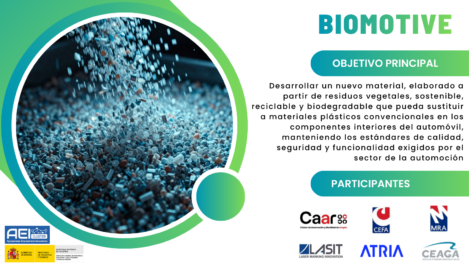
In this context, biopolymers such as PLA (polylactic acid) provide a relevant example. Derived from renewable resources and following degradation pathways different from those of conventional polymers, they demonstrate that it is possible to rethink the relationship between material use and its eventual fate. Although they do not completely eliminate the microplastics problem, they introduce a key variable at its origin: how a material behaves once it is no longer under control.

Microplásticos

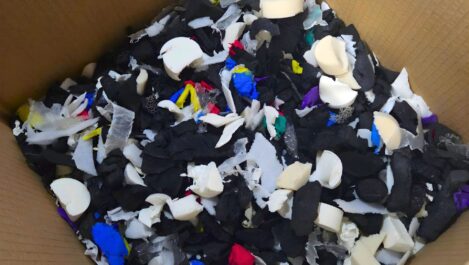
Complementing this approach, the circular economy operates at a systemic level to reduce material leakage into the environment. Reusing plastics as secondary raw materials, recovering value from waste, and developing advanced processing technologies all share a common objective: preventing materials from degrading uncontrollably and generating new persistent particles in the environment.

The next step in materials innovation

Human history is written through the materials we have learned to master. If stone, bronze, iron, and polymers defined the great eras of progress, today we face a radical transition: competitiveness will no longer be measured solely by the ability to create stronger or more affordable materials, but by the ability to design them so they remain under control throughout their entire life cycle.

Microplásticos

For this reason, the answer will not come solely through restrictive legislation, but through the convergence of innovation, digitalization, and materials science. Only through this new generation of technologies will we be able to address the root causes of the microplastics problem rather than merely managing its consequences.

Ultimately, the goal is not simply to eliminate pollution, but to prevent materials from becoming pollution in the first place.

Would you like to learn more about plastic waste management? Contact us!

Contacto-cortada-image

Contact

Your success is our goal. We want to be your partner in the development of your projects, leveraging the power of innovation, flexibility, and the trust we provide. Together, we make a difference through new technologies.

Contact us and let’s build the future together!