A washability and rub resistance test is a key tool for evaluating the resistance of materials, coatings, and surface treatments against mechanical wear processes and repeated cleaning cycles. These tests make it possible to determine the durability of a surface under different abrasion conditions, helping to ensure the quality, functionality, and service life of products used in sectors such as construction, automotive, textiles, and the coatings industry.
Nowadays, the increasing demand for more durable materials with improved performance makes the accurate characterisation of their wear behaviour increasingly important. To achieve this, international standards and regulations define precise and reproducible methodologies to evaluate parameters such as rub resistance, washability, or the loss of surface properties.
In this blog, we will explore the fundamentals of washability and rub resistance tests, their main differences, and the factors influencing their results. We will also analyse the most commonly used methodologies, applicable standards, and their importance across different industrial sectors.
What is a washability and rub resistance test?
A washability and rub resistance test is a test used to determine the ability of a coating, surface treatment, or material to withstand the abrasive effects and material removal caused by cyclic washing processes or mechanical rubbing.
Both tests are similar, as they involve bringing the test material into contact with another material and generating relative movement between both surfaces. However, washability and rub resistance tests have one fundamental difference: the presence of liquid during the process.
Therefore, when the test is carried out under dry conditions, it is generally referred to as a dry rub or abrasion test, whereas when it is performed with liquid or cleaning solutions, it is usually referred to as a washability test.
The presence or absence of liquid during the test can significantly modify the results, as particles generated during the friction between the sample surface and the abrasive element may accelerate the wear process if they remain in the contact area. However, when a liquid is applied, it can collect these particles and remove them from the abrasion zone, reducing mechanical wear in some cases.
Nevertheless, the liquid used can also modify the behaviour of the material due to possible chemical interactions with the sample. These interactions may affect properties such as colour, gloss, adhesion, or coating integrity.
Steps to perform this test
The steps to perform a washability and rub resistance test are the following:
- Decide whether a cleaning or wear test will be performed: cleaning tests are usually intended to remove stains or contaminants deposited on the surface of a sample, whereas wear tests are designed to evaluate the resistance of a material under different surface abrasion conditions.
- Select whether the test is a washability or rub resistance test: if the test is intended to be performed with liquid, it will generally be considered a washability test, while if it is carried out under dry conditions, it will be considered a dry rub or abrasion test.
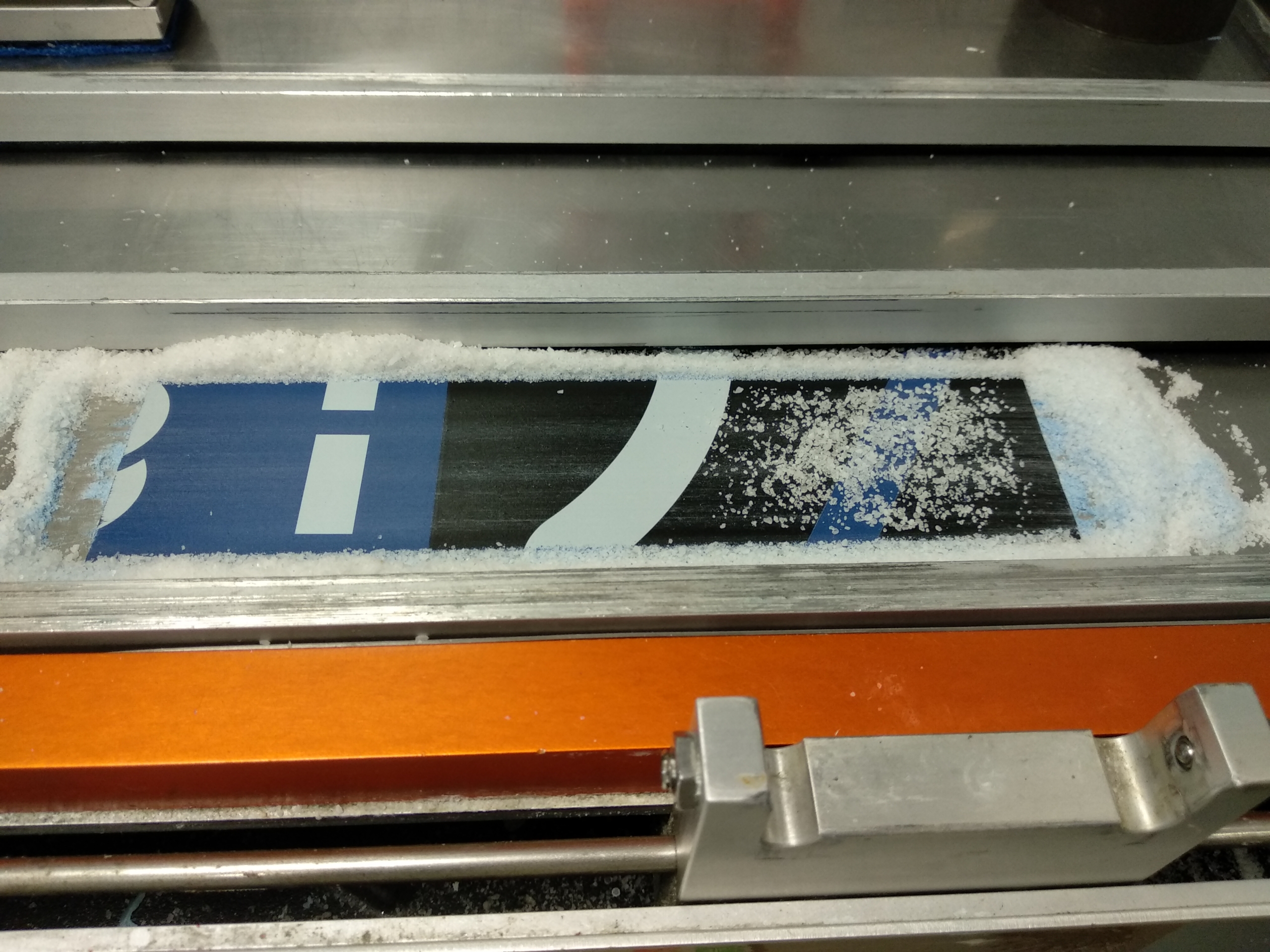
- Select the abrasive material: this is a critical point of the test, as it significantly influences the results obtained. Low-abrasion materials, such as wipes or cloths, can be selected, or highly abrasive materials, such as different types of sandpaper or brushes.
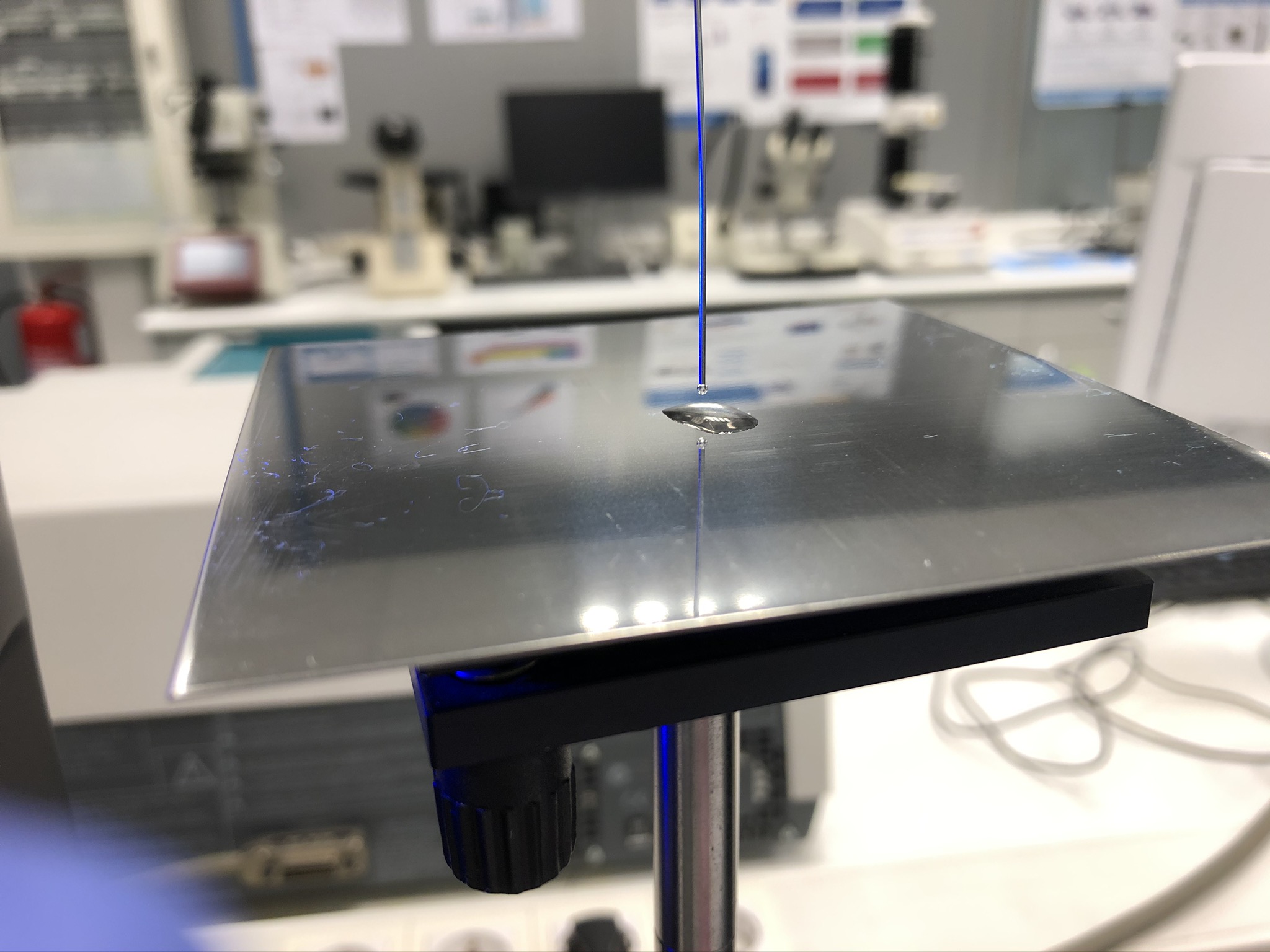
- Select the working liquid (only for washability tests): this parameter is as important as the selection of the abrasive material, as it may cause significant changes in surface properties due to possible chemical reactions.
-
Define the test conditions: in this type of test, several parameters must be controlled to ensure reproducibility. These conditions include:
– Abrasion path: the distance travelled by the abrasive element during each cycle.
– Abrasion speed: the speed at which the abrasive element moves during each cycle. It is generally defined by setting the number of cycles per minute.
– Applied load: the force that determines the contact pressure between the test material and the abrasive element.
- Perform the test: once the previous steps have been completed, the washability and rub resistance test can be carried out. In washability tests, it may be necessary to apply a specific amount of liquid after a certain number of cycles to maintain wet conditions throughout the test.
- Evaluate the results: after completing the test, the results must be evaluated through visual inspection or using laboratory equipment to determine whether the material meets the established requirements.
Washability and rub resistance tests in different industries
Since washability and rub resistance tests can be applied to virtually all industrial sectors, there is a wide variety of available testing methodologies. However, the most common tests depending on the type of application are the following:
- Fixed-cycle test (PASS/FAIL): this type of test is mainly used for quality control of parts or products with already known standard properties. The test conditions and number of cycles are defined beforehand, and the results are evaluated at the end to determine whether the part meets the established requirements. It is particularly useful for industries manufacturing products with consistent characteristics.
- Failure test under fixed conditions: this type of test is intended for comparing products whose resistance characteristics are not previously known. Depending on the number of washing or rubbing cycles that the parts withstand, a durability classification can be established. This type of test is particularly useful for companies developing products with improved performance compared with existing market solutions.
- Failure test under progressively increasing aggressive conditions: this type of test is intended for the development of new products, where the material properties are unknown and the aim is to determine their resistance limits. For this purpose, tests can start under low-abrasion conditions and progressively increase in severity by increasing the number of cycles, the applied load, or replacing the abrasive material with a more aggressive one. These tests are especially suitable for the development of new materials or innovative products.
Key standards
Some of the most commonly used standards for washability and rub resistance tests are:
- ASTM D4828: Standard Test Methods for Practical Washability of Organic Coatings.
- EN 12956: Textile floor coverings — Determination of dimensions, straightness, compressibility and washability.
- EN 13523-11: Coil coated metals — Test methods — Part 11: Resistance to solvents (rub test).
- ISO 105-X12: Textiles — Tests for colour fastness — Part X12: Colour fastness to rubbing.
- ISO 11998: Paints and varnishes — Determination of wet-scrub resistance and cleanability of coatings.
Benefits of washability and rub resistance tests
Washability and rub resistance tests provide multiple benefits, including:
- Reproducibility: since they can be performed under controlled conditions, the results obtained are highly reproducible.
- Comparability: they allow easy comparison of results between different samples, cleaning agents, or abrasive materials.
- Speed: by increasing friction conditions, accelerated tests can be performed in reduced times to study the wear associated with the product’s lifecycle.
- Flexibility: the possibility of using different cleaning agents and abrasive elements allows the tests to be adapted to a wide range of applications.
- Automation: it eliminates variability associated with manual washing or rubbing movements by applying the same force, speed, and travel distance to all samples.
Washability and rub resistance testing at ATRIA
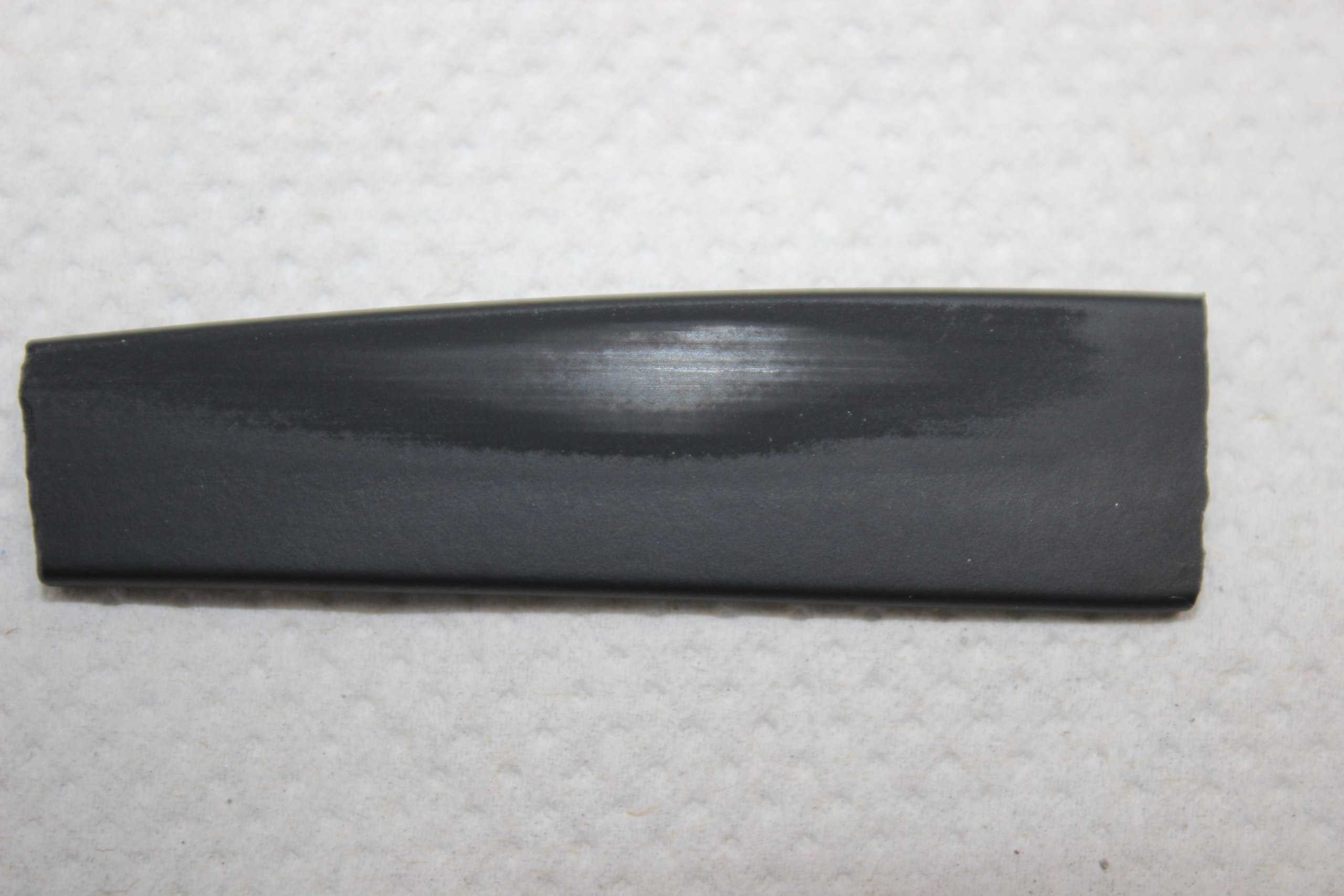
At ATRIA, we are experts in performing washability and rub resistance tests, carrying out both tests according to international standards (ASTM, ISO, UNE, etc.) and customised tests adapted to the specific requirements of each application.
Some of the properties we evaluate through washability and rub resistance tests at ATRIA include:
¿Do you want to know more about washability and rub resistance testing? Contact us!