Traceability has evolved from being a simple regulatory requirement into the true backbone of the smart factory. For industrial companies, maintaining full control over every stage of production is no longer achieved through manual records or isolated systems, but through the comprehensive digitalization of the plant. Implementing traceability through cutting-edge technologies such as the Internet of Things (IoT) enables companies to monitor in real time the lifecycle of any product, whether in production or already finished.
What is traceability?
Traceability is the technological capability to capture, process, and unify the continuous flow of data generated by a product throughout its entire lifecycle. It is not just about knowing where an item is, but about creating an immutable “digital footprint.” Through sensors, plant control software (WMS/MES), API integrations, and more, automated traceability records—without human intervention—which systems or equipment were involved at each stage, which operator handled the task, under what operational parameters the process was executed, and which exact resources, data, or components were used. It represents the perfect convergence between the physical and digital worlds.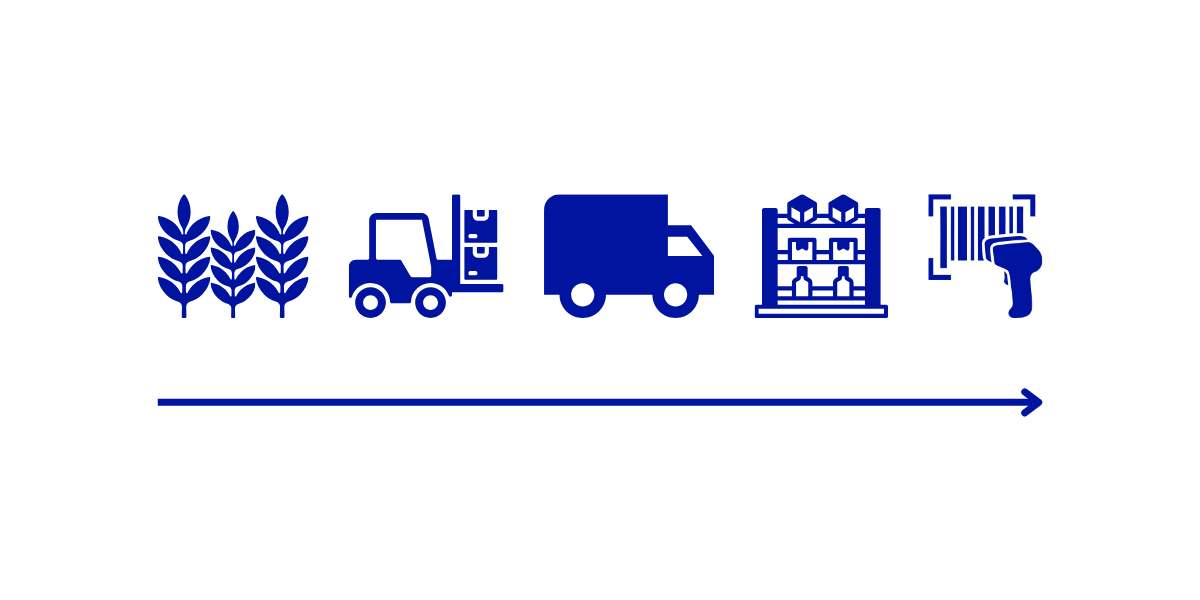
Types of traceability
The supply chain is extensive and divided into multiple stages. Therefore, traceability is not a one-dimensional concept; it is classified into different types depending on the perspective, the tracking direction, and the unit of control being monitored. Below are the main types of traceability:
According to the direction of the supply chain:
-
Upstream traceability (backward): It involves tracking the origin of the products or raw materials received by the company. It allows you to know exactly who the supplier is, which batch was received, when it arrived, and under what conditions. It is essential to ensure that raw materials meet required standards before entering production.
-
Internal traceability (process traceability): It focuses on the comprehensive control of everything that happens within the company’s facilities. It documents how raw materials are transformed, which batches they are combined with, which machines process them, and what finished product is generated.
-
Downstream traceability (forward): It tracks the product once it leaves the production area or warehouse for delivery. It records which customer received it, which carrier handled the shipment, the route taken, and the exact time of delivery.
According to the product control unit:
-
Batch traceability: Very common in the food, pharmaceutical, and automotive industries. Instead of tracking a single product, it follows a group of items produced under the same conditions at the same time. If a defect is detected, batch traceability allows isolating and recalling only that specific group without affecting the rest of production.
-
Unit-level traceability: Adds the highest level of security by tracking each item individually through a unique serial number or identifier. It is critical in consumer electronics, high-value machinery, or pharmaceuticals where authenticity must be guaranteed against counterfeiting.
-
Geospatial traceability: Driven by GPS technology, it enables real-time tracking of a product’s exact location while in transit. This is what allows end customers to see where their order is on a map, significantly improving user experience.
Traceability in industry
Theory is essential, but it is in practical application where traceability demonstrates its true power. Different industrial sectors have adopted traceability not only to comply with regulations but also to optimize processes and gain a competitive edge.
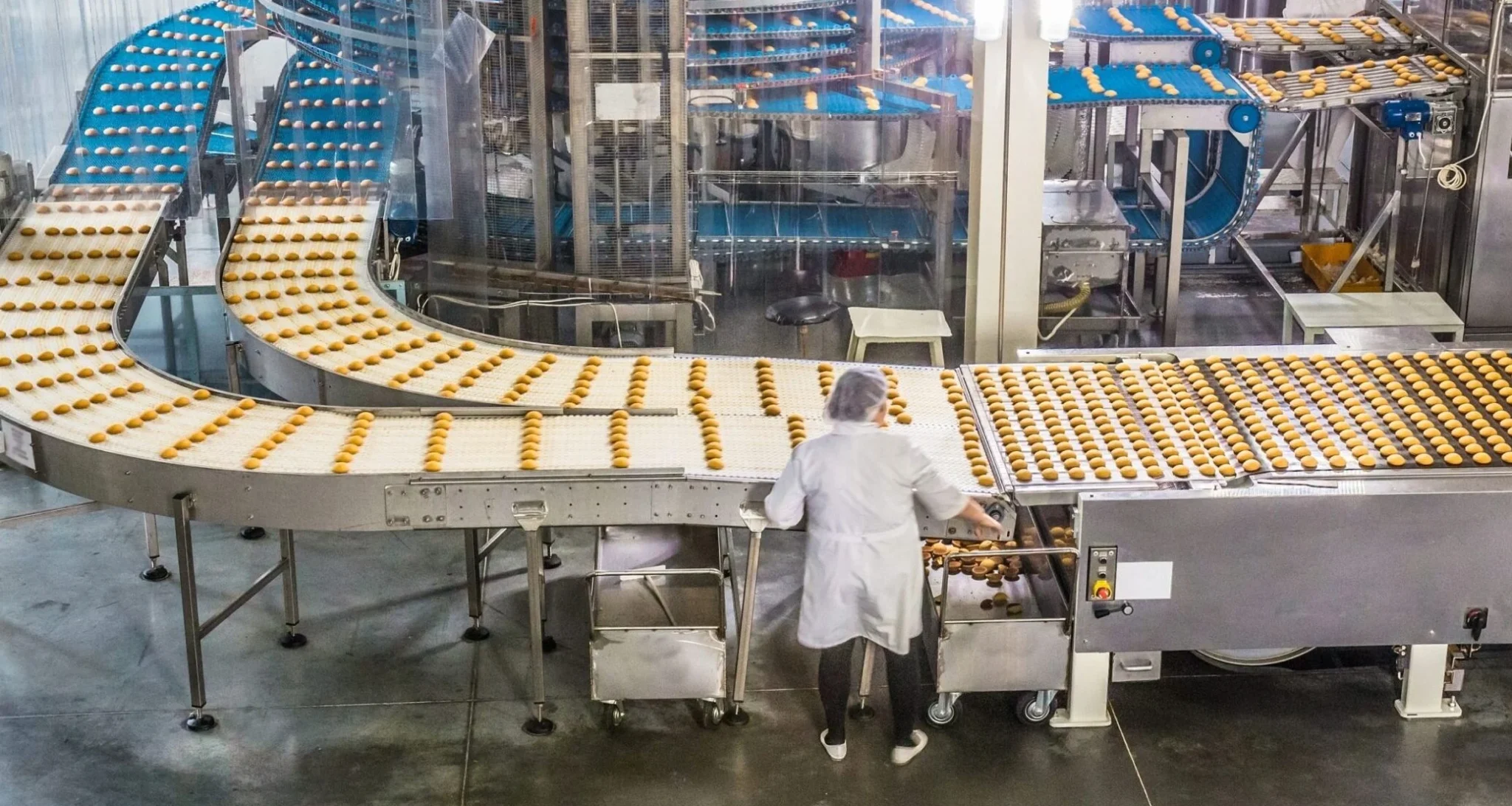
- Food industry: One of the sectors where traceability is most critical, as errors can directly impact public health. Today, innovation has led to the implementation of traceability systems using RFID (Radio Frequency Identification) technology. Unlike traditional barcodes, RFID tags use radio waves to transmit product data (origin, expiration date, batch) to fixed or portable readers. This allows information to be read in seconds, ensuring freshness and preventing the distribution of spoiled food.
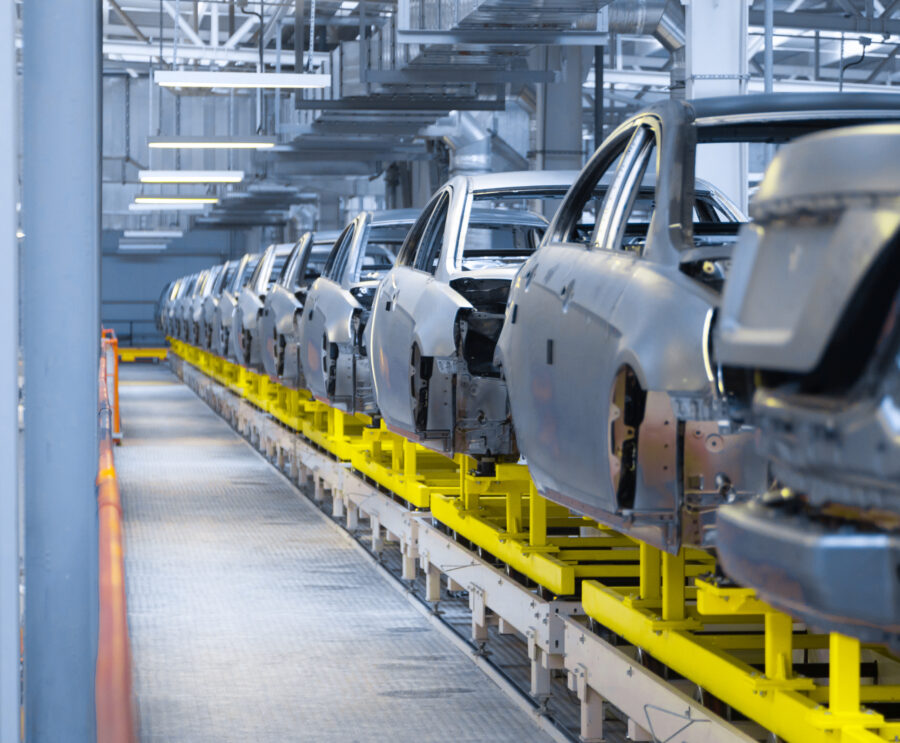
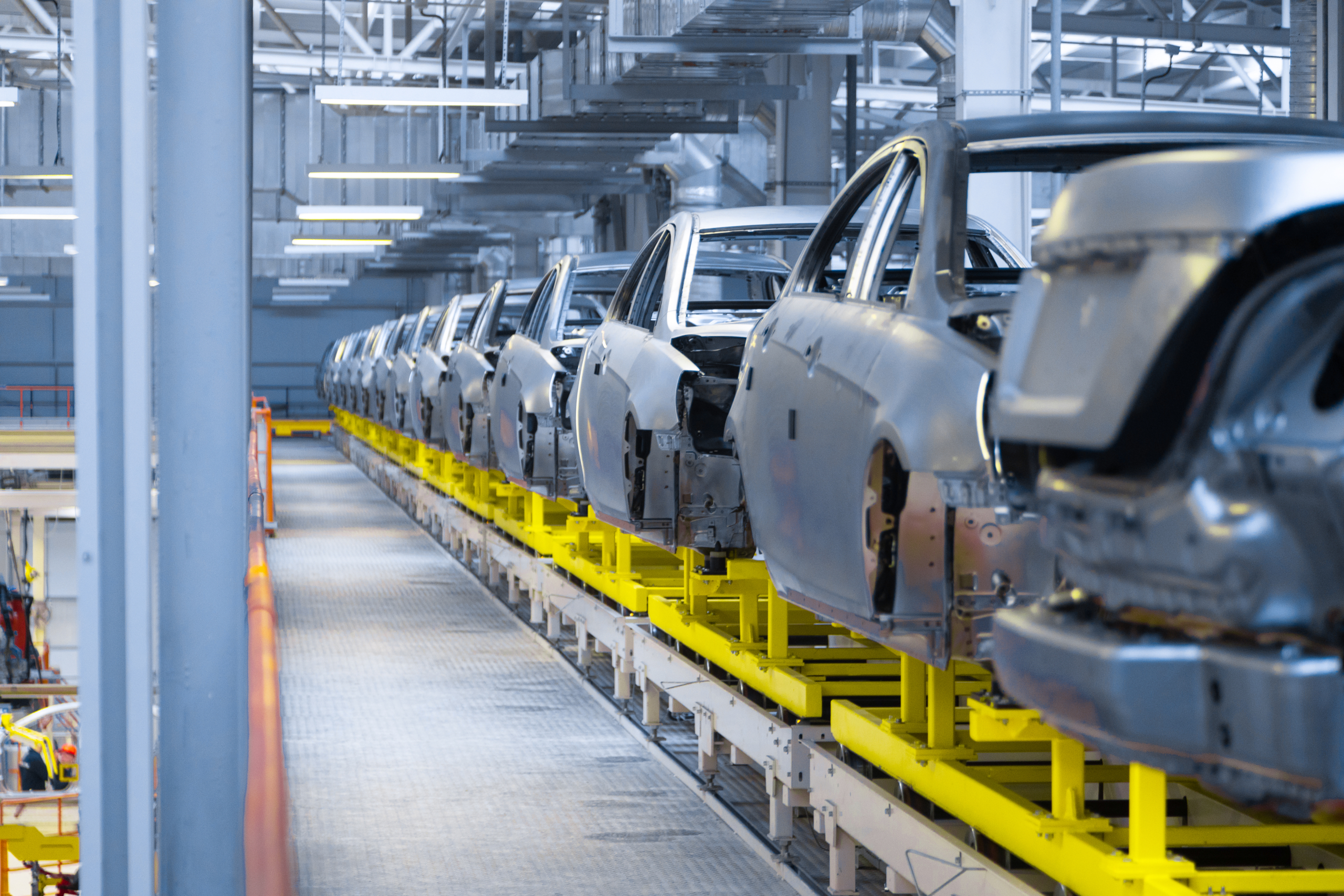
- Automotive industry: Global manufacturers have elevated traceability to a strategic level, making it the digital core of their operations. In vehicle manufacturing, where a single car consists of thousands of parts, traceability enables synchronized material flow using technologies such as RFID smart labeling, direct part marking (DPM) via laser on metal components, and IoT sensor networks. These tools allow real-time monitoring of parts so they arrive at the assembly line at the exact moment needed, avoiding overproduction and drastically reducing waste. Furthermore, if a supplier reports a quality issue in a critical component, an automated traceability system integrated with big data tools enables manufacturers to analyze millions of data points in seconds. This allows precise identification of which vehicle identification numbers (VINs) include the affected parts, enabling targeted and proactive recalls.
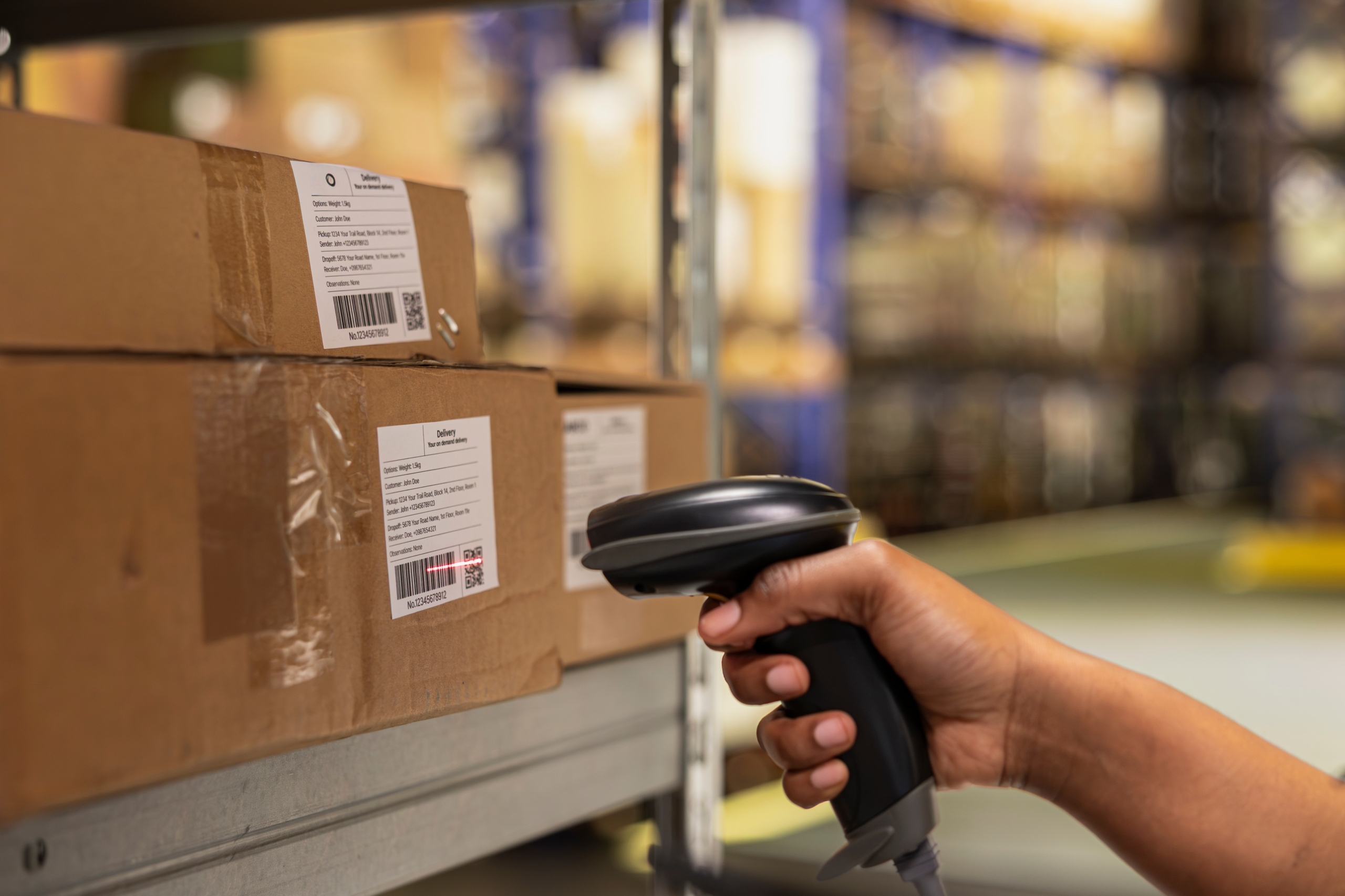
- Logistics and warehousing sector: In large distribution centers, traceability is managed through powerful software systems known as WMS (Warehouse Management Systems). Logistics traceability integrates inbound data, controls internal storage locations, manages required temperatures, and ensures that each pallet is assigned a unique label during dispatch. This provides full inventory visibility, preventing stockouts and product expiration.
Why is it important to implement it?
At this point, it is clear that traceability requires investment in software, hardware, and staff training. However, the return on this investment is immeasurable. Implementing end-to-end traceability delivers key benefits that more than justify its adoption:
- Safety and quality assurance: The most obvious benefit. In the event of defects or incidents, traceability allows rapid identification of the root cause and execution of product recalls when necessary, protecting both consumers and brand reputation.
- Strict regulatory compliance: National and international regulations are becoming increasingly demanding, especially in sectors such as food, pharmaceuticals, and chemicals. An automated traceability system generates reliable reports that demonstrate compliance with origin and quality standards during audits.
- Operational efficiency and cost reduction: Knowing where every item is at all times optimizes inventory management. Traceability prevents overstocking, minimizes losses due to expired or defective products, improves process control, and eliminates bottlenecks.
- Transparency and consumer trust: Today’s market rewards transparency. Being able to demonstrate the sustainable journey or ethical origin of a product significantly strengthens customer loyalty and trust.
- Agile incident management and reverse logistics: In the era of e-commerce, returns are a daily occurrence. Traceability enables reverse logistics to be managed with the same precision as forward logistics, quickly identifying returned products, assessing their condition, and reintegrating or discarding them accordingly, thus minimizing operational costs.
- Real-time visibility for decision-making: A proper traceability system provides live visibility of all product movements. This monitoring equips managers with accurate data to anticipate supply issues, reroute shipments, and make strategic decisions based on real information rather than assumptions.
Investing in traceability is not just a defensive mechanism against potential errors; it is a powerful tool for continuous improvement. Traceability provides companies with unprecedented global visibility. In an industry where time, quality, and information equal money, ensuring flawless product tracking is the key to operational excellence and total customer satisfaction.
At ATRIA, we specialize in integrating cutting-edge Industry 4.0 solutions and work every day with these technologies to help organizations design, deploy, and optimize intelligent, robust, and fully automated traceability systems. Contact us!