The FIFA World Cup 2026 represents far more than the world’s largest football competition. In addition to bringing together the best national teams in a global event, it serves as a technological showcase where the latest advances in materials science, digitalization, and Industry 4.0 converge. From the high-performance polymers used in sports equipment to intelligent systems capable of processing millions of data points in real time, the tournament has become a true large-scale innovation laboratory.
The combination of advanced materials, connected sensors, artificial intelligence, computer vision, and big data analytics is transforming every element involved in the competition. Players, balls, stadiums, and security systems are all part of an interconnected technological ecosystem in which the physical and digital worlds work together to optimize performance, enhance the fan experience, and ensure the safety of millions of people.
In this post, we analyze the key technologies that underpin the infrastructure and equipment of this tournament.
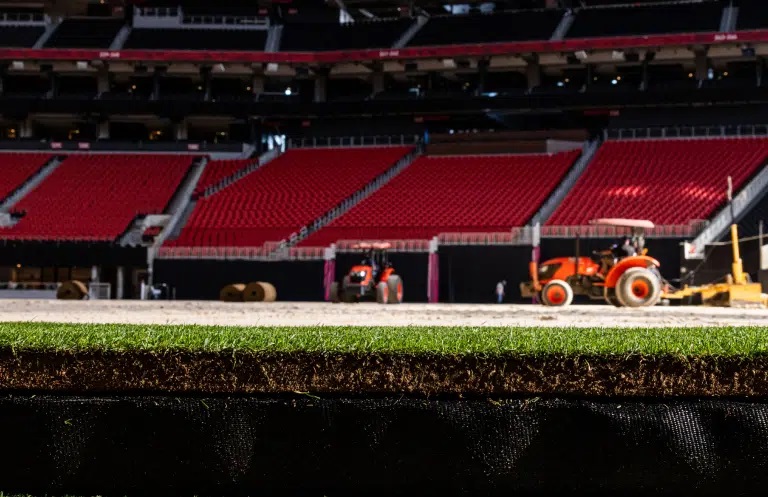
Sports Equipment: Applied Thermodynamics and Biomechanics
The evolution of materials and sports engineering has profoundly transformed the equipment used by athletes. Thanks to advances in materials science, biomechanics, and technological design, both sportswear and footwear now incorporate increasingly efficient solutions aimed at improving performance, enhancing comfort, and reducing the risk of injury. In this context, next-generation technical fabrics and advanced structural components play a key role in optimizing the interaction between athletes and their competitive environment.
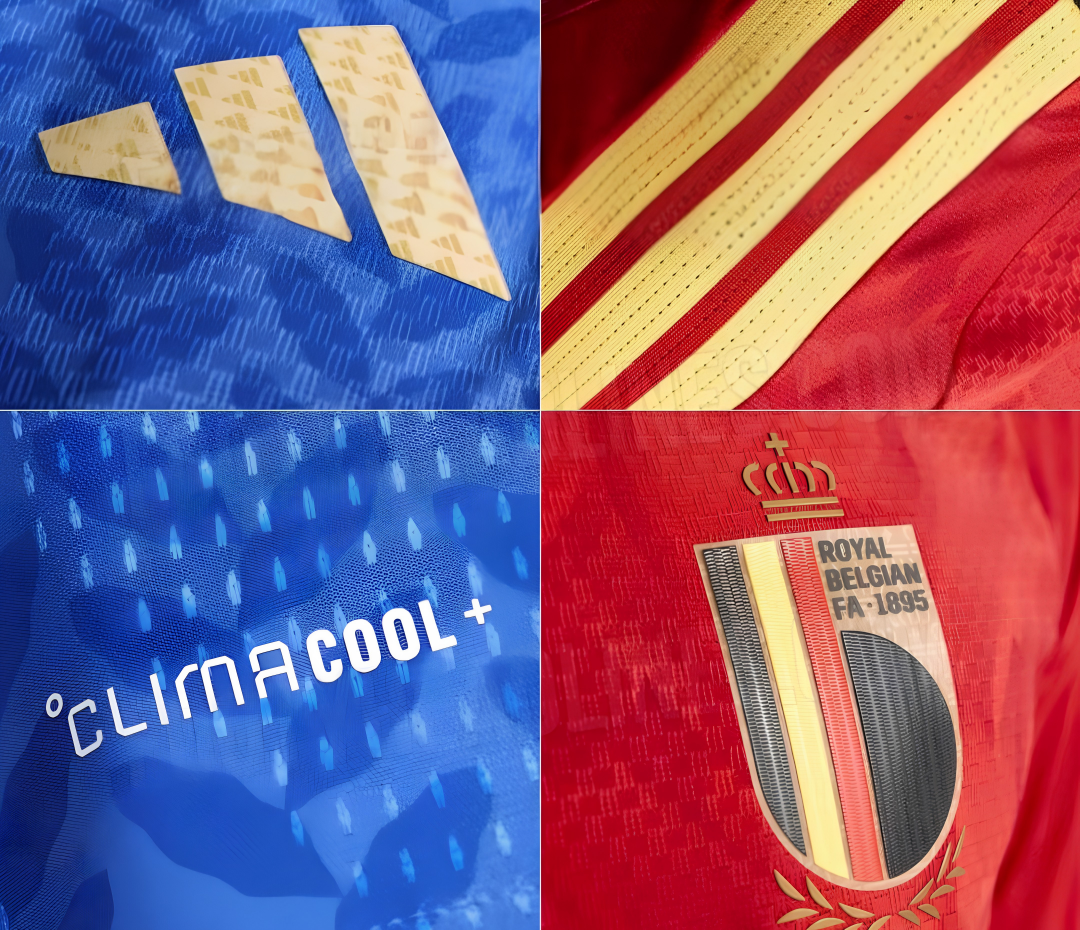
Sportswear has evolved toward the use of high-performance synthetic polymers to optimize performance and prevent injuries. Technologies such as VaporKnit, HEAT.RDY, and Climacool+ use knitted fabrics engineered through body heat mapping. These developments reduce garment weight to approximately 140 grams while maximizing moisture wicking, facilitating rapid sweat evaporation and thermal balance during play.
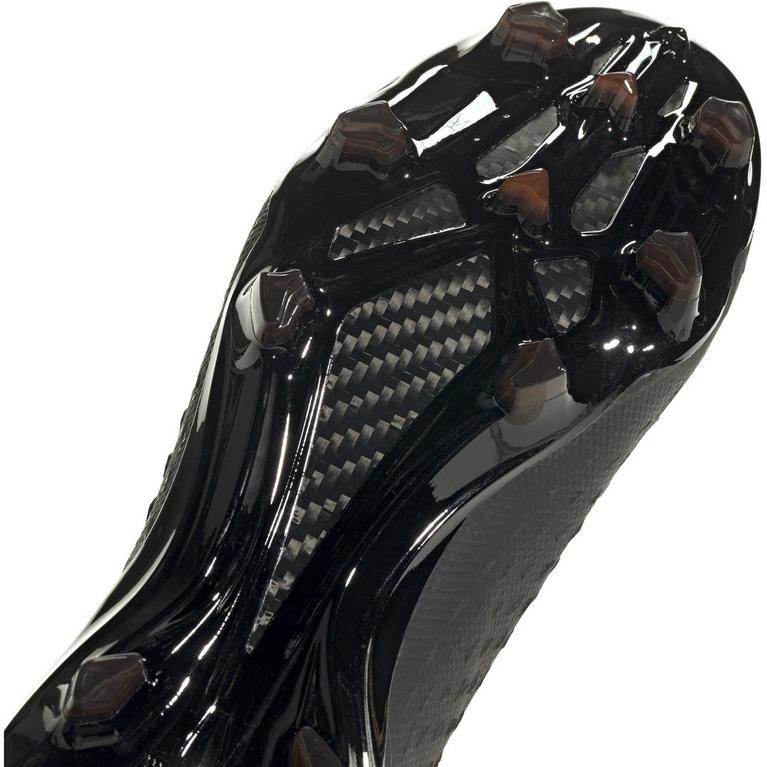
At the same time, the design of technical footwear is based on kinematic and dynamic studies. The latest innovation lies in the incorporation of carbon-fiber plates in the midsole, a composite material that provides optimal torsional stiffness and maximizes elastic energy return during the push-off phase of movement, while simultaneously mitigating the risk of musculoskeletal injuries.
The Technological Playing Field: The Secret Behind Thermally Bonded Balls and Impact Resistance
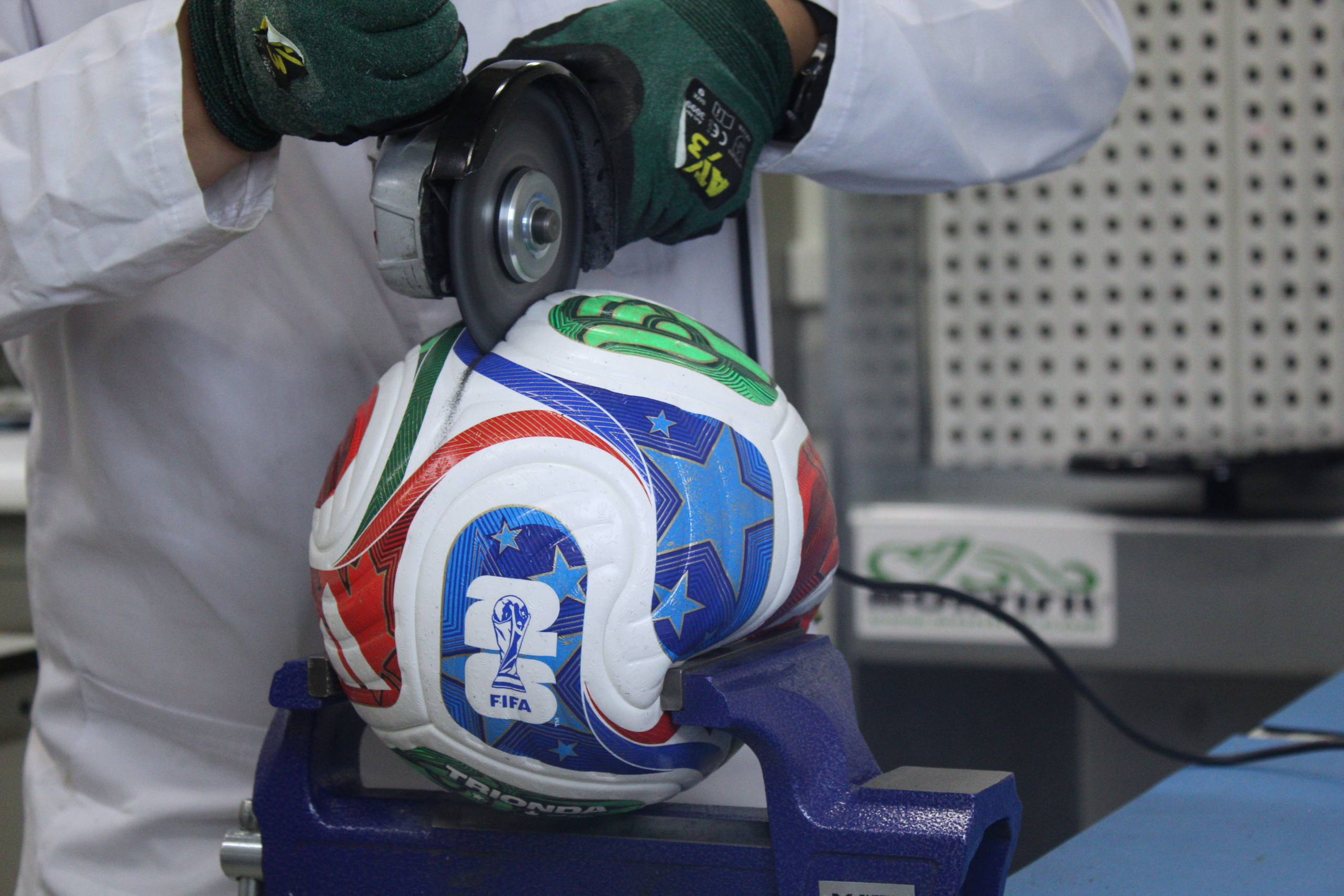
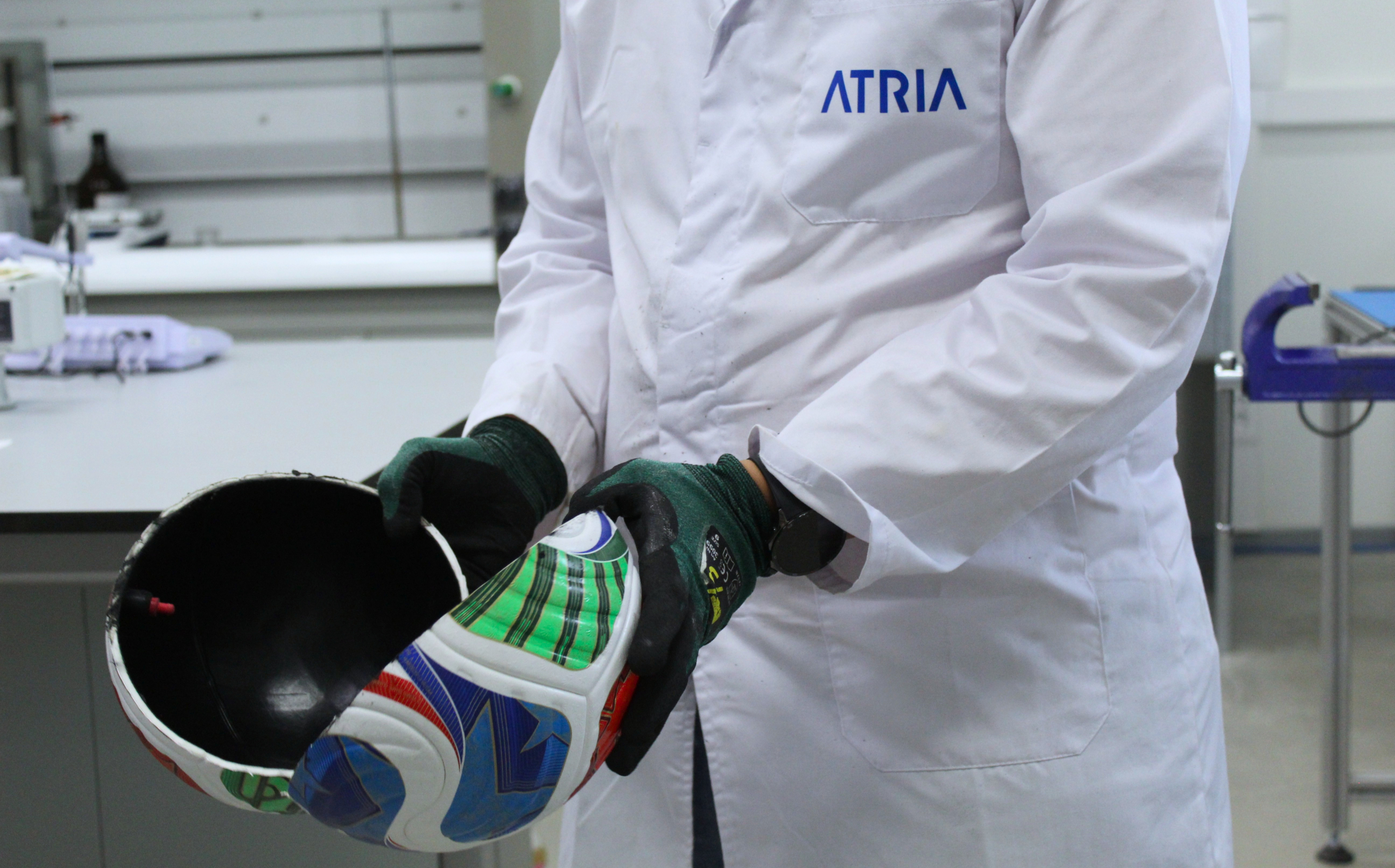
The playing field is an environment where the ball, turf, and goalposts are connected through physics and chemistry. A clear example is the Trionda, the tournament’s official ball, manufactured using advanced polymers. Its panels are joined through thermal bonding rather than traditional stitching, preventing water absorption and ensuring perfect geometry. In addition, its surface features a microscopic texture that reduces air resistance, guaranteeing a more stable and predictable trajectory with every kick.
At ATRIA, we created a social media reel in which we cut the ball in half and explained what differentiates it from other off-label footballs.
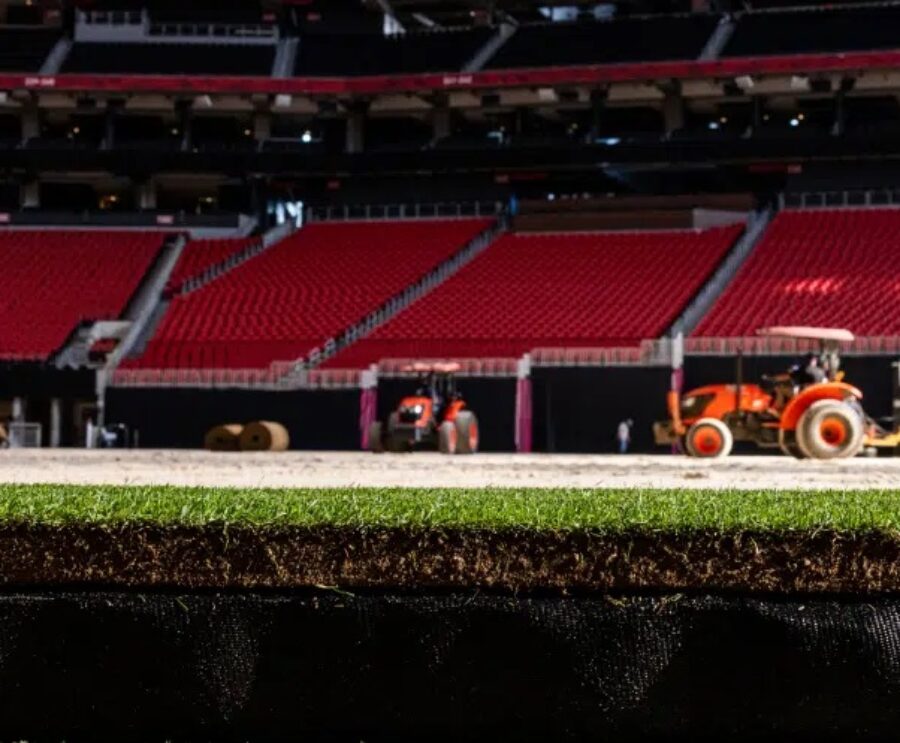
On the other hand, achieving the perfect pitch for this World Cup has required an investment of more than $5 million in research. The chosen solution is hybrid turf systems, which combine natural grass with a base of interwoven synthetic fibers to increase the mechanical resistance of the playing surface.
At Atria’s Materials Department, we are very familiar with this technology. In our facilities, we evaluate the durability of these surfaces through accelerated aging tests on turf fibers. By conducting UV radiation degradation tests, mechanical wear assessments, and rapid temperature cycling, we simulate the passage of time in a fraction of the actual lifespan. In this way, we help certify that synthetic fibers will maintain their mechanical and functional properties throughout their service life.
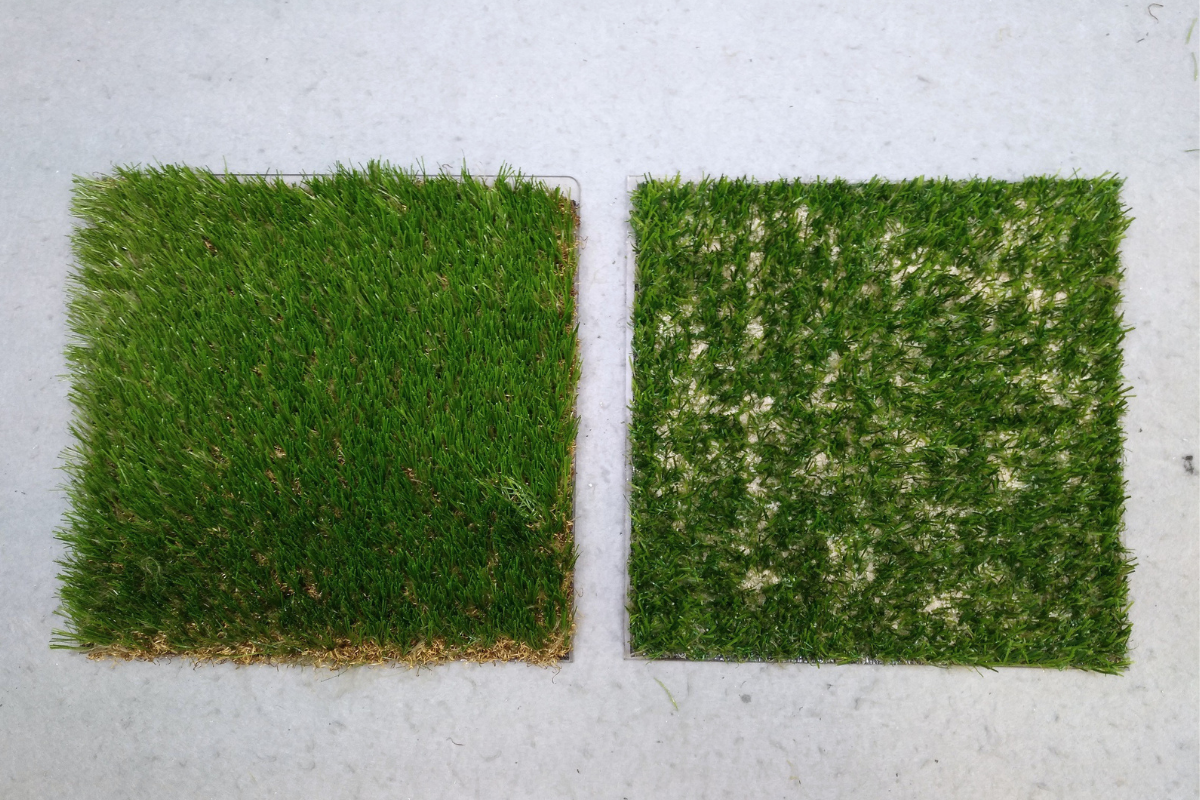
Goal nets are also a critical safety element designed to absorb high-speed impacts. They are manufactured using thermoplastic polymers such as nylon (polyamide), known for its elasticity and resistance to stretching. In addition, UV stabilizing additives are incorporated to prevent weather-related degradation, ensuring that the nets retain their mechanical properties despite repeated impacts.
Computer Vision at the FIFA World Cup 2026: Technology in Service of the Game
Physical Performance Analysis Through Camera Systems
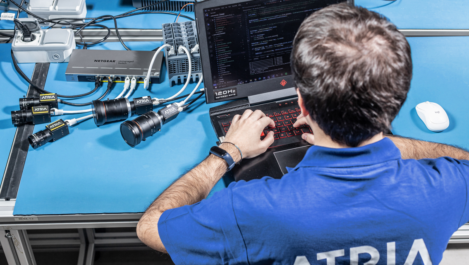
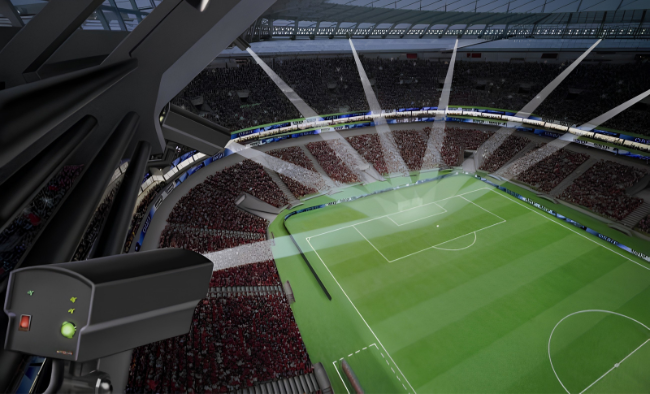
Measuring player performance has become essential in modern football. Thanks to advances in computer vision, aspects such as distance covered, top speed, and tactical positioning can be monitored non-invasively. This is achieved through optical tracking systems composed of high-resolution cameras installed in stadium roofs. The technology continuously captures the positions of players and the ball. By processing this data in real time, detailed statistics are generated without interfering with gameplay or requiring athletes to wear GPS devices.
The Role of Deep Learning in Visual Processing
Processing this enormous flow of data in a dynamic environment—with changing shadows, rain, or players crossing paths during every play—requires overcoming the limitations of traditional algorithms. This is where deep learning comes into play. Through the training of neural networks, software autonomously learns to identify player silhouettes, predict movements, and distinguish the ball from other visual elements on the pitch, adapting robustly to the lighting and weather variations that may occur across the different stadiums hosting the matches.
Optical-Sensor Synchronization: The Smart Ball and Offside Detection
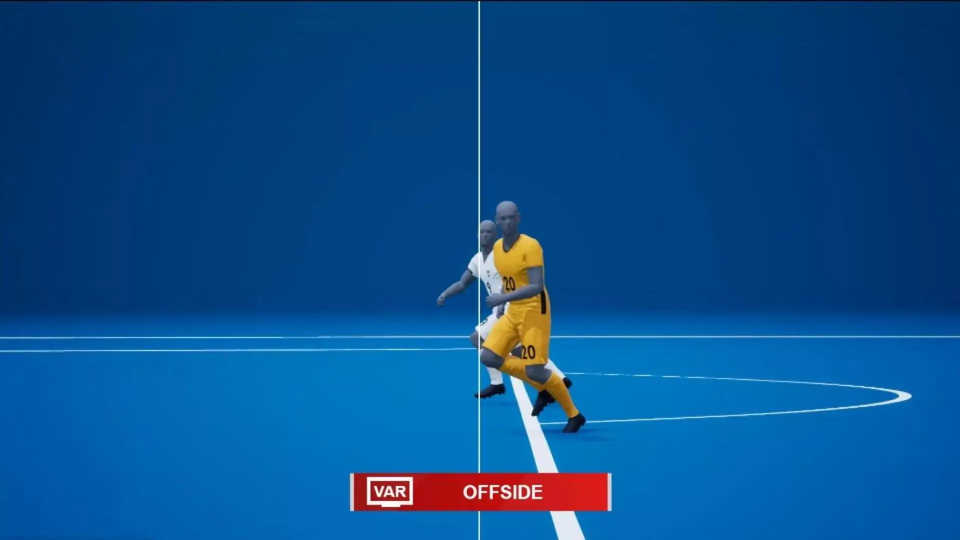
Technology-assisted refereeing takes center stage with the semi-automated offside system. To achieve high precision, optical tracking cameras—which monitor 29 key points on each player’s body 50 times per second—operate in direct synchronization with the tournament’s official ball, known as the Trionda.
This ball, developed by Adidas in collaboration with FIFA, contains a state-of-the-art high-frequency inertial measurement sensor. Thanks to an optimized inductive charging system, the device’s internal battery requires only 90 minutes of charging to provide up to six hours of active gameplay without affecting the ball’s weight or dynamic behavior. The sensor records speed, direction, trajectory, and field position, transmitting data 500 times per second.
By combining this information with images captured through computer vision systems, artificial intelligence can detect even minimal contacts and determine the exact frame in which the ball is struck, helping VAR officials resolve highly contentious situations with significant tactical implications. It also generates clear and understandable 3D animations for spectators.
Crowd Management and Safety at Large-Scale Events
Beyond the boundaries of the playing field, the 2026 World Cup stands out as a pioneer in implementing intelligent security and logistics systems. To safely manage millions of fans, several computer vision-based technologies will be deployed:
- Crowd density analytics through CCTV (crowd counting): Deep-learning algorithms integrated into stadium cameras continuously calculate the number of people per square meter. If density exceeds established safety thresholds, operators are automatically alerted.
- Digital twins: Three-dimensional virtual replicas of stadiums connected to flow sensors are used to simulate and predict crowd behavior up to 30 minutes in advance, allowing organizers to anticipate bottlenecks at entrances and exits.
- Automated anomaly detection: Video analytics software examines movement patterns. If it detects counterflow movement, mass falls, sudden running, or unattended objects, it generates high-priority alerts for the command and control center.
These tools enable organizers to redirect pedestrian flows, adjust public transportation frequency, and coordinate on-site assistance teams more effectively.
To conclude…