In an increasingly competitive industrial environment, companies face the constant challenge of keeping their production equipment up to date without having to bear the high cost of completely replacing their machinery. Many industrial plants continue to operate machines that, although they still perform well mechanically, have become outdated in terms of electronics, automation, or connectivity.
The arrival of Industry 4.0, digitalization, and new demands for energy efficiency and productivity have led many companies to seek solutions that allow them to modernize their processes without making large investments. In this context, industrial retrofitting has become an increasingly popular alternative across a wide range of industries.
In addition to improving equipment performance and automation, retrofitting helps combat industrial obsolescence, reduce breakdowns, optimize energy consumption, and extend the lifespan of existing machinery. All of this can be achieved with a significantly lower investment than purchasing a new machine.
What is industrial retrofitting?
Industrial retrofitting, also known as machinery retrofit, consists of modernizing or upgrading existing industrial equipment by incorporating new technologies, control systems, and more advanced components.
Unlike the complete replacement of a machine, retrofitting takes advantage of the original mechanical structure and replaces only those elements that have become obsolete or that limit the equipment’s performance. This makes it possible to adapt older machinery to current production requirements without the need for an investment as high as purchasing a new machine.
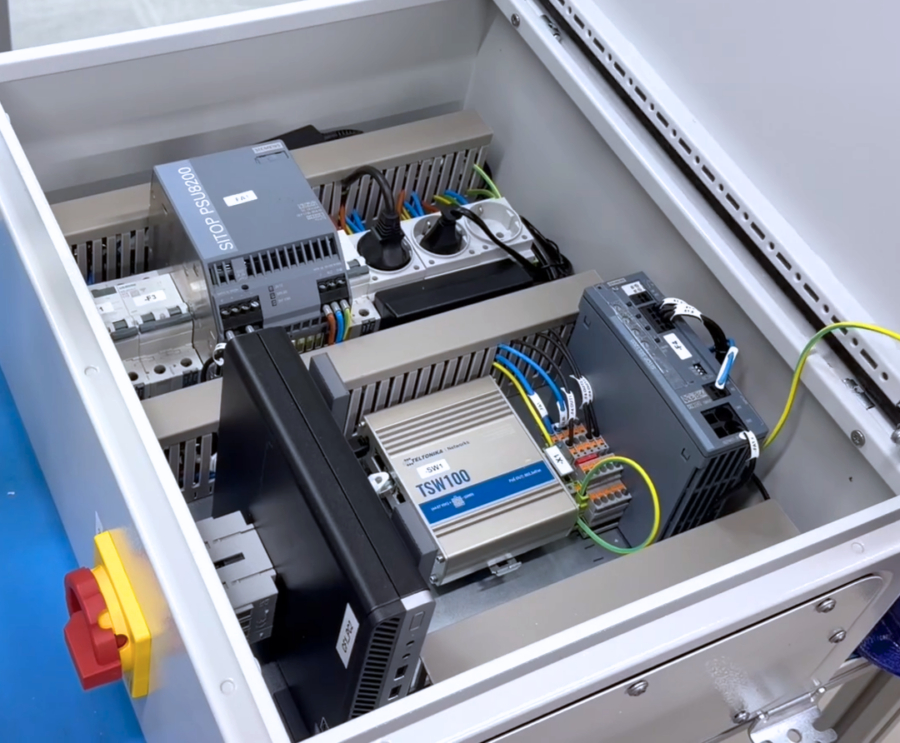
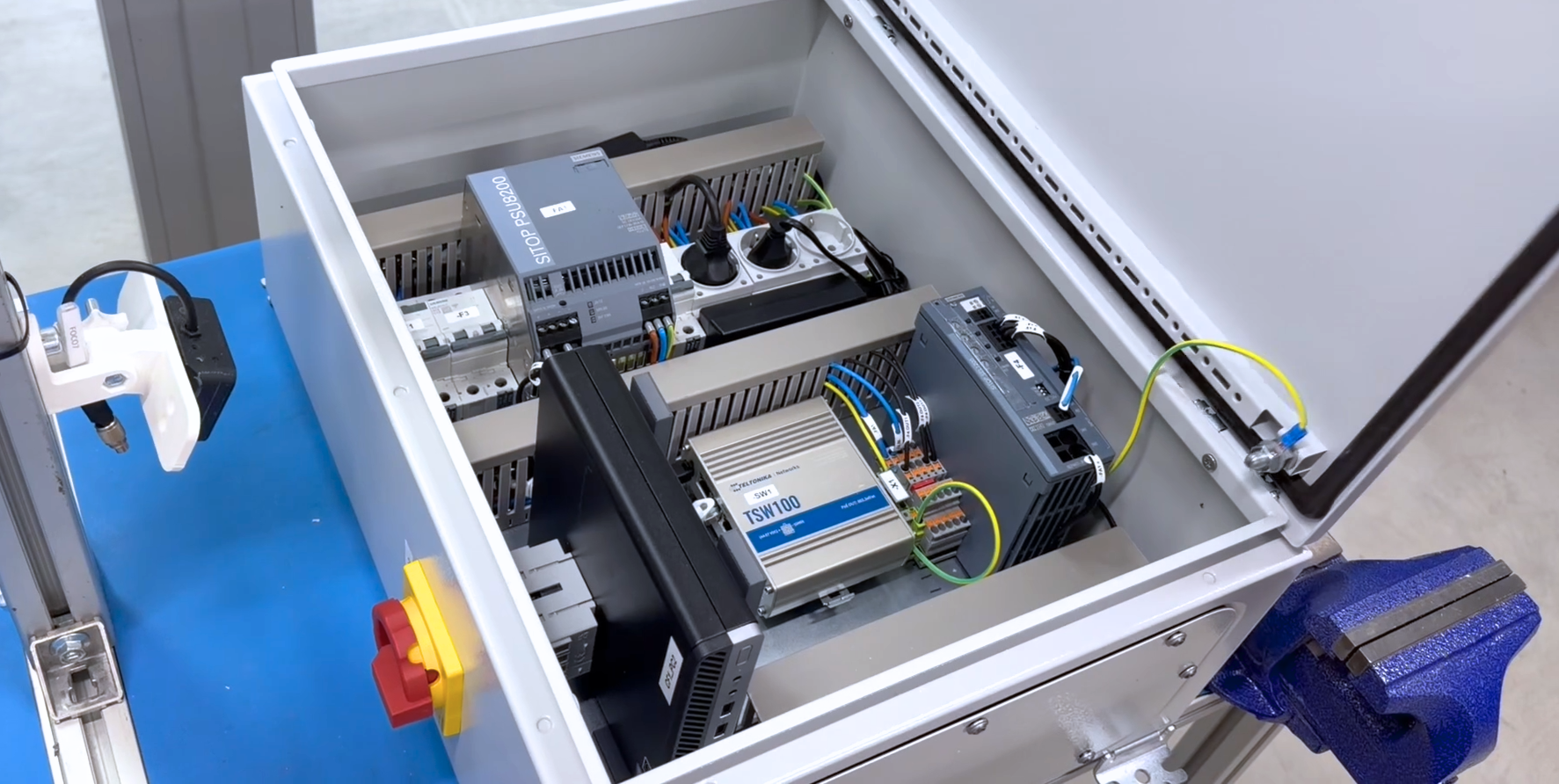
Some of the most common improvements in an industrial retrofitting project include the integration of CNC controls, automation systems, new electrical panels, sensors, frequency drives, measurement systems, and real-time monitoring technologies. These upgrades improve machine accuracy, productivity, safety, and energy efficiency.
In addition, retrofitting has become a key tool within Industry 4.0 because it facilitates equipment connectivity and data collection, enabling process optimization, predictive maintenance, and reduced downtime.
Ultimately, retrofitting makes it possible to transform machinery that has been operating for years into equipment adapted to current market demands, extending its service life and increasing its profitability.
When is it advisable to retrofit industrial machinery?
Retrofitting is not a universal solution, but it is particularly recommended when machinery still has a solid mechanical foundation while its electronic, control, or automation components have become obsolete. Identifying the right moment is essential to achieving the best return on investment.
Main situations in which retrofitting is recommended:
- Control system obsolescence: When spare parts for CNC systems, frequency drives, PLCs, or electrical panels are no longer manufactured or become excessively expensive, leading to frequent breakdowns and long periods of downtime.
- Need to improve competitiveness: The machine performs well mechanically but does not meet Industry 4.0 requirements such as connectivity, real-time monitoring, predictive maintenance, and energy efficiency.
- Increased production demand: Higher speed, accuracy, or flexibility is required, but the current system cannot provide it.
- Safety or regulatory issues: There is a need to update safety protections, safety systems, or comply with new regulations.
- High maintenance and energy costs: Older components generate excessive energy consumption and recurring failures.
- Budget constraints: The company cannot afford the investment required for a new machine but still needs to improve performance.

Retrofitting as a solution to industrial obsolescence
Industrial obsolescence is one of the main challenges faced by manufacturing plants. Many mechanically robust machines become inefficient due to the lack of electronic spare parts, outdated software, or the inability to integrate with modern systems.
Retrofitting has emerged as one of the most effective solutions to combat this problem. By upgrading control, automation, and connectivity systems, companies can significantly extend the lifespan of their machines, reduce downtime, and avoid premature replacement.
As a result, older equipment can be transformed into modern, competitive machinery that is fully prepared for the demands of Industry 4.0.
Advantages of retrofitting compared to replacing the entire machine
Industrial machinery retrofitting has become a highly cost-effective alternative to purchasing new equipment. By leveraging the existing mechanical structure and upgrading only obsolete systems, companies can achieve significant economic and operational benefits.
Key advantages of retrofitting
- Significant cost savings: A retrofitting project typically costs between 30% and 60% of the price of a new machine. This allows companies to modernize their machinery fleet with a much lower investment, freeing up capital for other areas of the business.
- Extended machine lifespan: By upgrading controls, motors, drives, and electronic systems, machinery that might otherwise be discarded can continue operating for many more years, maximizing the return on the original investment.
- Reduced adaptation time: Since the original machine structure and layout remain unchanged, operators who are already familiar with the equipment require less training. Commissioning is generally much faster than installing a completely new machine.
- Improved productivity: The integration of new CNC systems, advanced automation, and servo motors increases process speed, accuracy, and repeatability, resulting in higher production output.
- Greater energy efficiency: Modern components consume considerably less energy. This translates into lower electricity costs and helps companies meet their sustainability objectives.
- Industry 4.0 readiness: Retrofitting enables the integration of connectivity, IoT technologies, real-time monitoring, and predictive maintenance. As a result, older machines become smart assets capable of generating valuable data for decision-making.
In summary, retrofitting is not only a more economical solution but also a smarter and more sustainable one. It allows industries to modernize quickly, profitably, and in line with current market demands.
Tips for a Successful Machinery Retrofitting Project
Successfully carrying out a retrofitting project requires careful planning and following a series of key steps.
First and foremost, it is essential to thoroughly assess the condition of the machine. This evaluation should include the mechanical condition (guides, ball screws, geometry, and accuracy), the electrical system (panels, wiring, and motors), and the current level of automation (CNC, PLC, and software). Only through a comprehensive analysis can it be determined whether the machine is a good candidate for retrofitting.
Once the machine has been evaluated, it is important to define clear objectives. Companies must decide exactly what they want to achieve: increasing productivity, improving accuracy, enhancing safety levels, reducing energy consumption, or incorporating Industry 4.0 connectivity. Clearly defined goals help guide every technical decision throughout the project.
Another key aspect is carefully planning production downtime. Ideally, retrofitting should be carried out during periods of lower activity or alongside scheduled maintenance shutdowns to minimize disruptions to production and avoid financial losses. In addition, it is advisable to invest in scalable, future-ready solutions that allow for further upgrades over time.
Finally, working with experienced retrofitting specialists is crucial. An experienced partner ensures safe execution, compliance with regulations, and proper integration of the new systems with the existing equipment.
By following these recommendations, retrofitting becomes a much safer, more efficient, and more profitable process.
 Retrofitting Success Stories at ATRIA
Case Study 1: Complete Modernization of a Machine Over 25 Years Old
At ATRIA, we carried out the complete retrofitting of an industrial machine that had been in operation for more than 25 years. Although its mechanical components were still in good condition, the control system, sensors, and automation technologies had become completely obsolete, causing frequent unplanned downtime and limited process visibility.
A comprehensive retrofit was performed while preserving the original mechanical structure. The control system was completely replaced with a new PLC, modern and reliable sensors were installed, a new intuitive HMI interface was developed, and real-time monitoring systems were integrated.
Everything that was still functioning properly was retained, while only the electronic and automation components were replaced. This transformed a legacy machine into a modern and efficient asset without the need to purchase new equipment.
Results achieved
- Near elimination of unplanned downtime
- Significant improvement in process accuracy and repeatability
- Greater real-time control and visibility of all process variables
- Extended machine lifespan
- Preparation for future Industry 4.0 projects
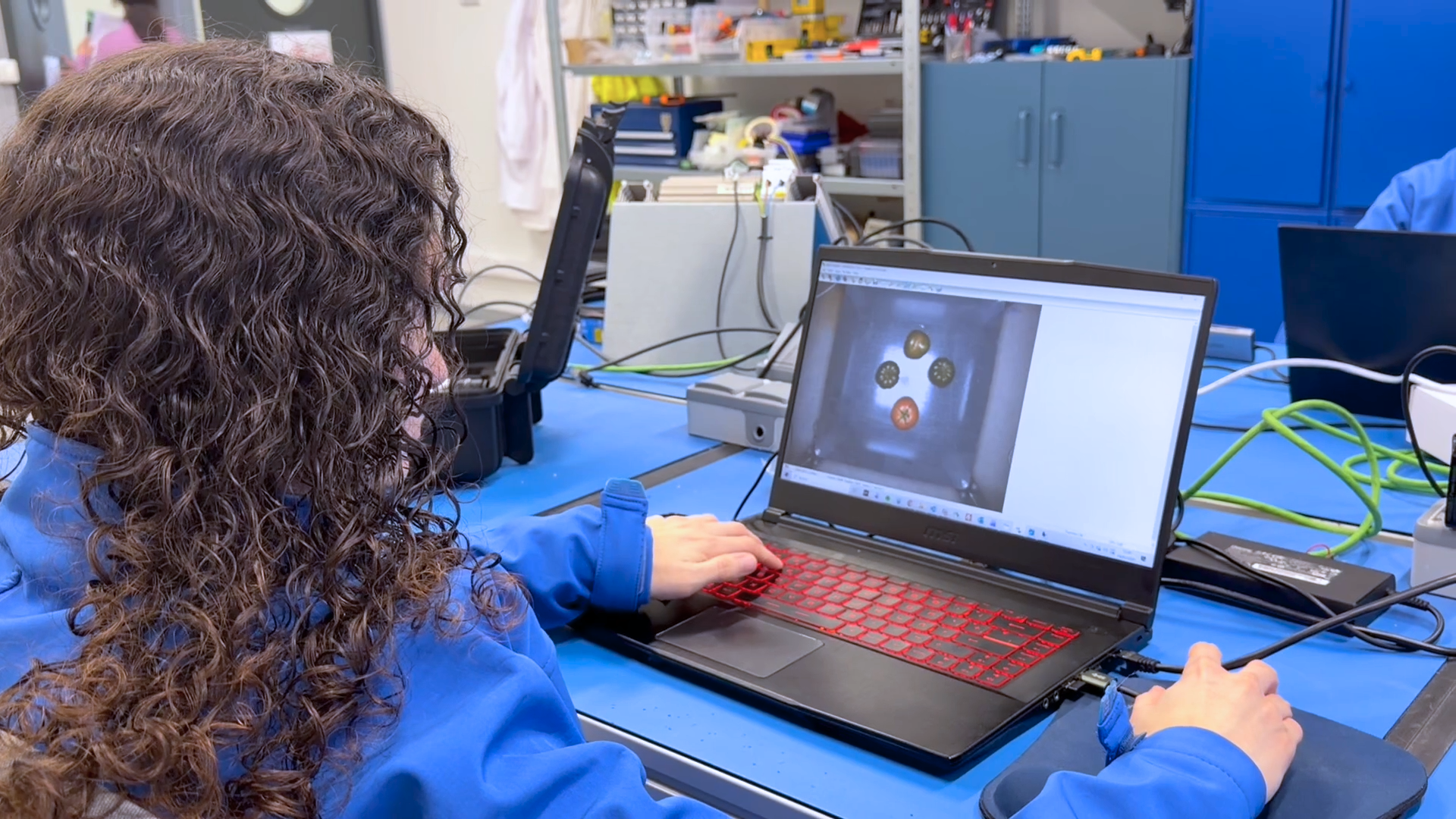
Case Study 2: Retrofitting with computer vision integration in a cutting machine
Another notable project involved the retrofitting of an older industrial cutting machine whose control system did not allow integration with advanced technologies.
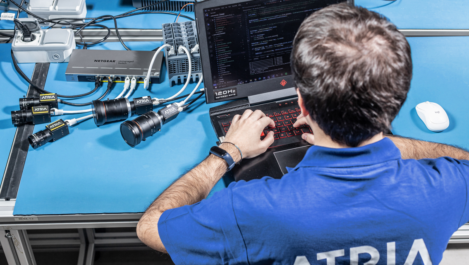
A complete retrofit of the control system was carried out to enable the incorporation of computer vision technology. The machine was upgraded with a new PLC, additional sensors were installed to capture key process variables, and a bidirectional communication system was developed between the machine and the vision system, enabling precise real-time synchronization.
As a result, the existing machine was successfully integrated with the new technology and became capable of storing all generated data in the cloud.
Results achieved
- Fully automated calculation of cutting parameters
- Significant improvement in product accuracy and quality
- Reduction of human error and material waste
- Complete machine digitalization and cloud-based historical data storage
- Substantial increase in productivity and repeatability
Conclusion
Industrial machinery retrofitting has become one of the smartest and most cost-effective strategies for companies seeking to modernize in an increasingly competitive environment. By upgrading electronic and automation systems without replacing the machine’s mechanical structure, organizations can extend the lifespan of their equipment, improve productivity, reduce costs, and prepare for the challenges of Industry 4.0.
Ultimately, retrofitting is not only a cost-effective alternative to purchasing new machinery but also a real opportunity for sustainable and efficient technological transformation. By leveraging existing assets and integrating modern technologies, companies can remain competitive while maximizing the value of their investments.
Do you have a machine that ‘doesn’t speak’? At ATRIA, we help you listen to it. Contact us.