In an increasingly competitive industrial environment, ensuring the durability and resistance of materials under real environmental conditions is not just an advantage, but a necessity. Prolonged exposure to solar radiation, sudden temperature changes, and humidity can seriously compromise the integrity of products, coatings, and components.
At ATRIA we understand that material validation is a critical step in the development cycle. For this reason, xenon chamber testing has become one of the most powerful tools for predicting long-term material behavior in just a few weeks. In this article, we explore the technical, regulatory, and practical aspects of this essential accelerated aging technology.
What Xenon Chamber Testing Consists Of
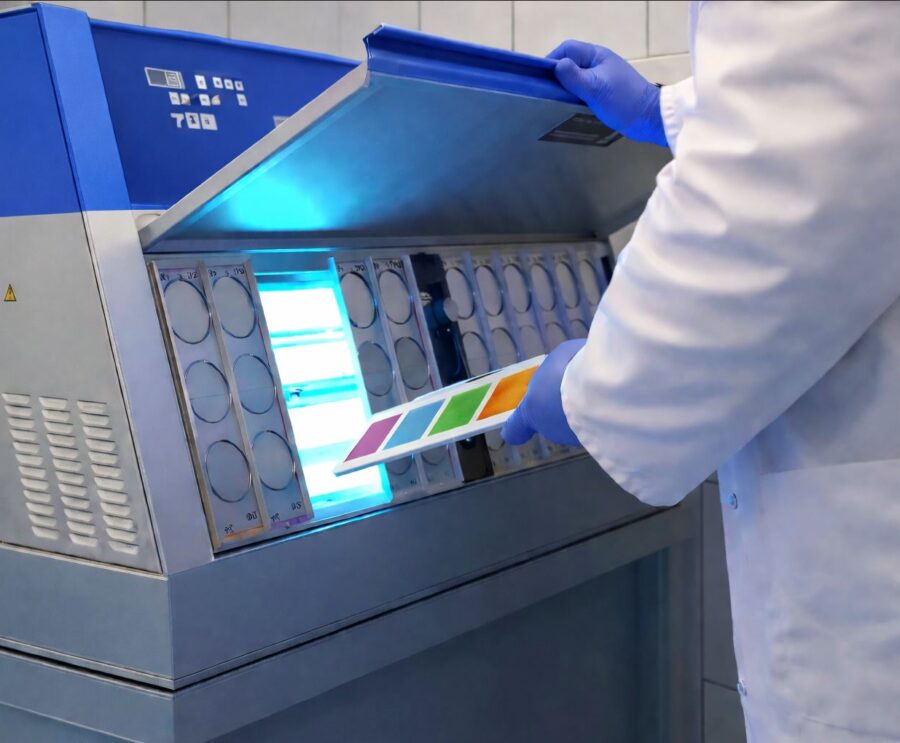
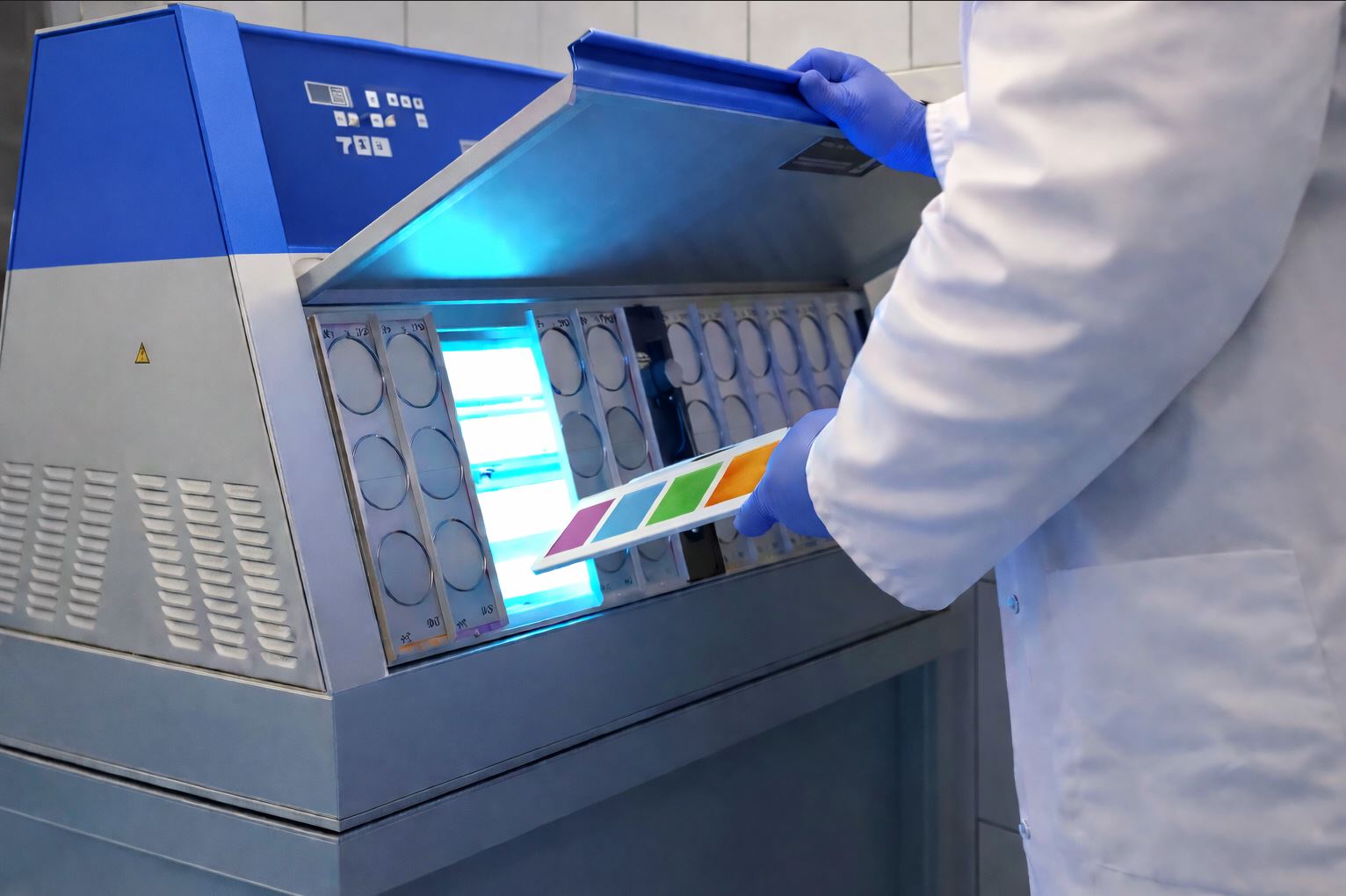
Xenon chamber testing is a climate simulation technique that uses xenon arc lamps to reproduce the full spectrum of natural sunlight. Unlike other methods that only cover the ultraviolet (UV) range, xenon arc includes visible and infrared radiation, making it the most accurate method for simulating outdoor exposure.
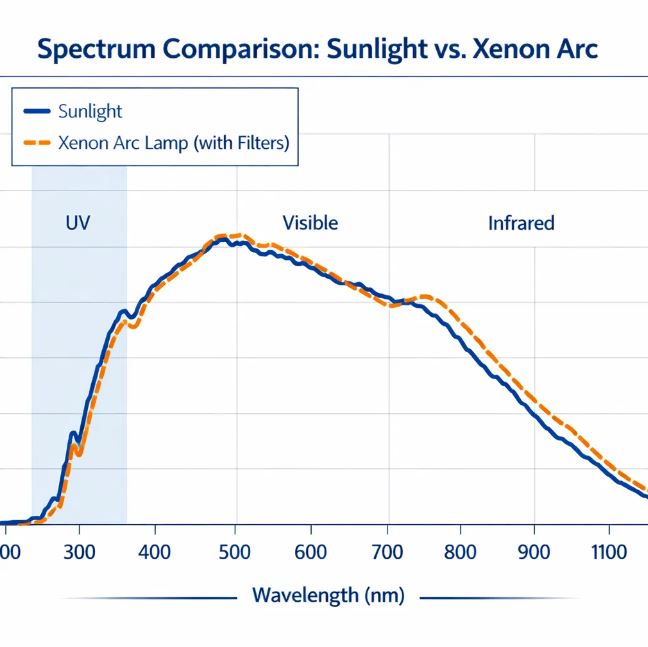
The basis of this test lies in photostability. Organic materials such as plastics, paints, and textiles absorb photons from sunlight that break their chemical bonds, leading to degradation. The xenon chamber accelerates this process through:
- Controlled irradiance: A higher-than-average light intensity is emitted to reduce testing time.
- Humidity and rain cycles: Water spray systems are incorporated to simulate thermal shock and mechanical erosion caused by water.
- Temperature control: Both ambient temperature and black panel temperature (BPT) are monitored, simulating heating caused by solar absorption.
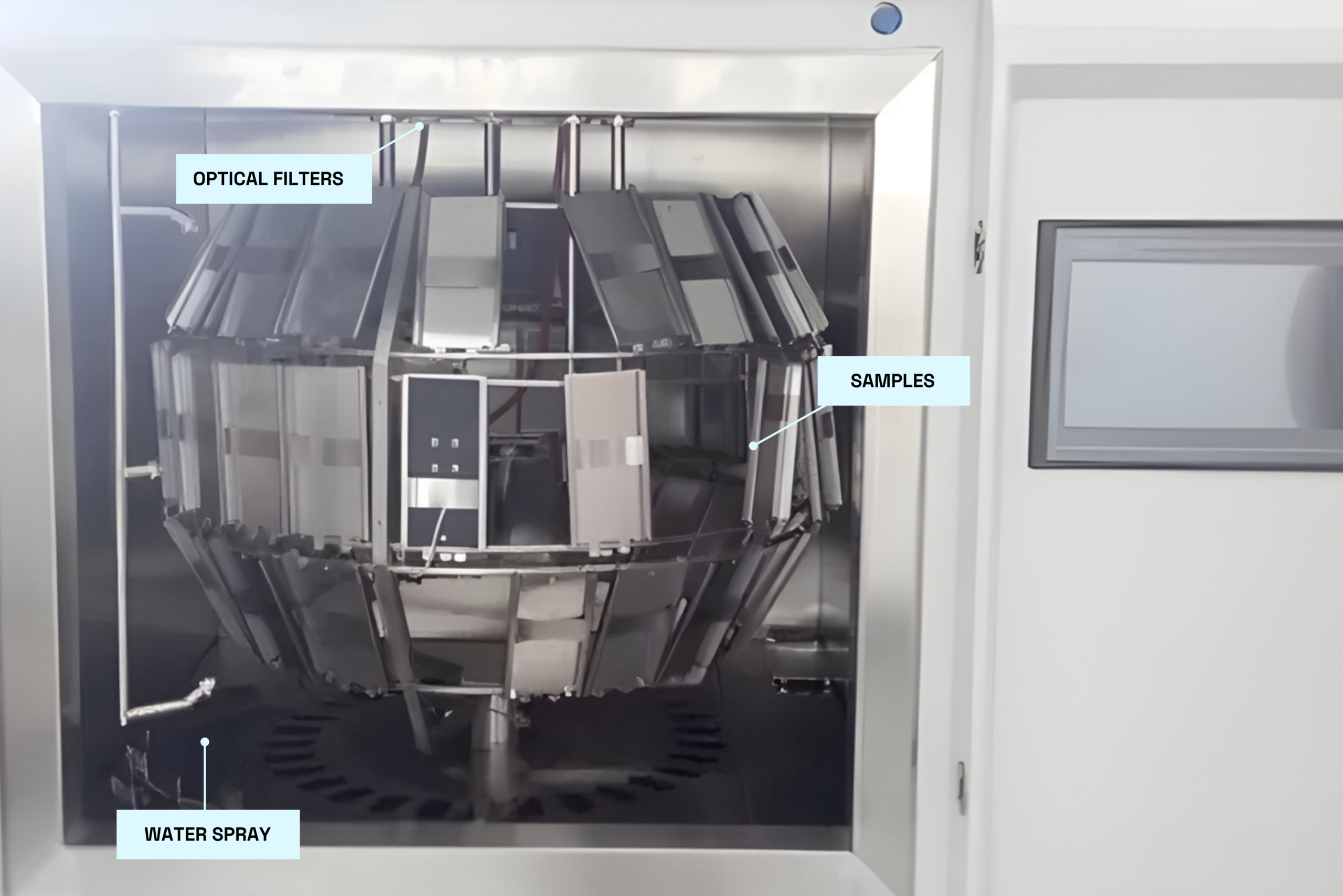
According to various technical sources in the sector, this type of testing is particularly useful for analyzing:
- Material discoloration
- Loss of mechanical properties
- Appearing cracks or deformations
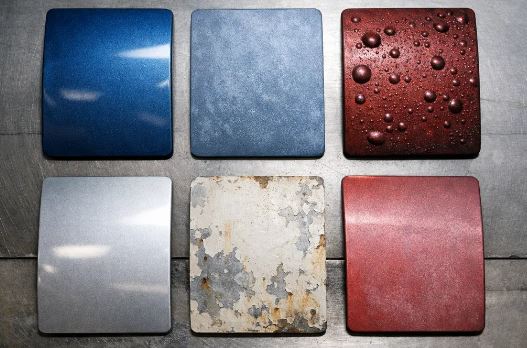
- Degradation of coatings and paints
- Alterations in plastics, textiles, and polymers
One of the major advantages of this method is its ability to faithfully reproduce real exposure conditions, making it a standard across multiple industries.
Parameters Controlled in Xenon Chamber Testing
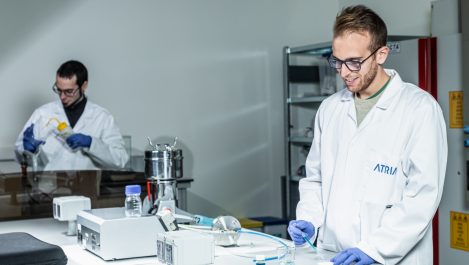
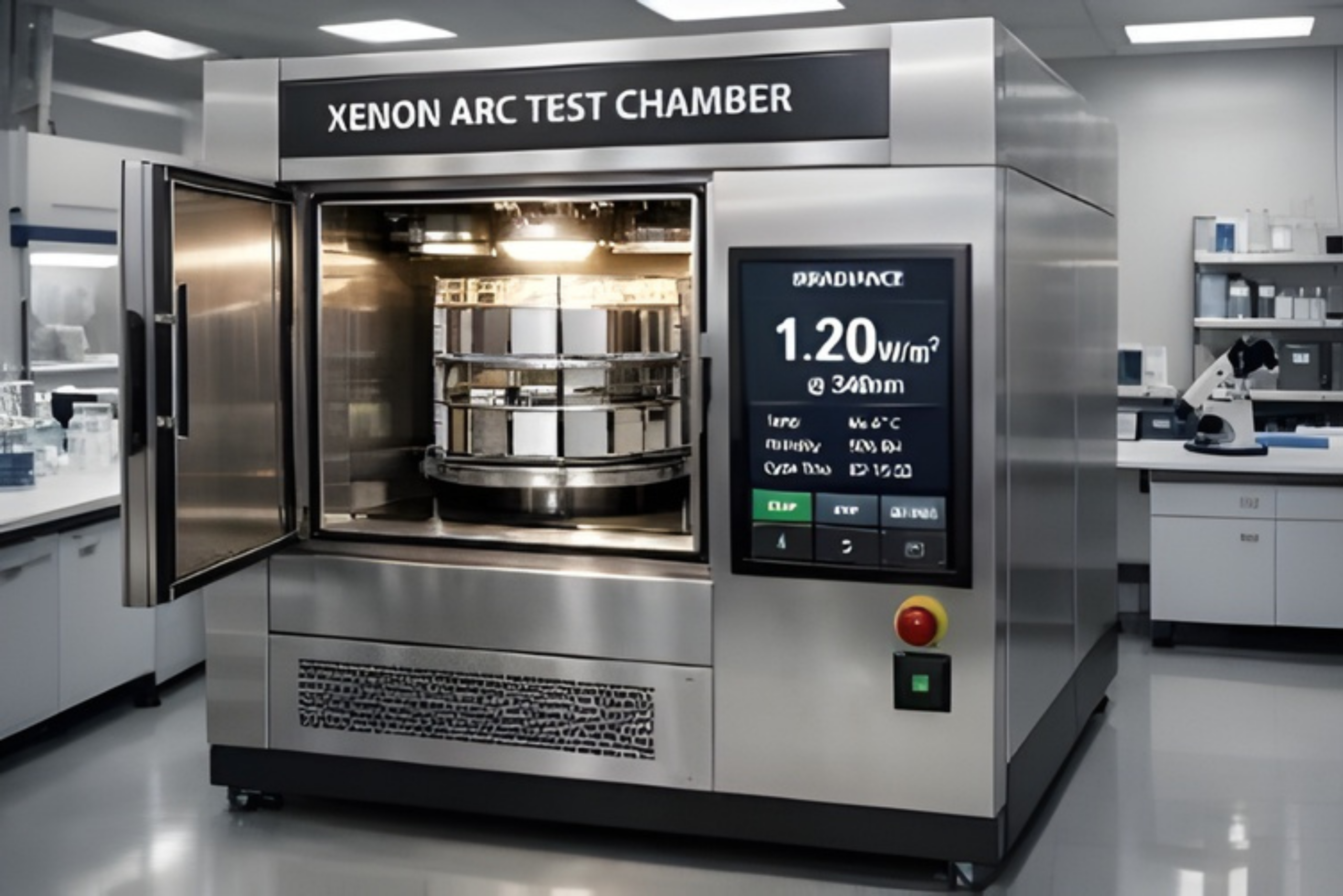
The reliability of an aging test strictly depends on the control of its variables. It is not just about exposing a sample to light, but about replicating a specific climatic ecosystem. At ATRIA, we adjust the following critical parameters:
Radiation (Irradiance)
Irradiance is the power of radiation per unit area. It is typically measured in W/m² at specific wavelengths (such as 340 nm or 420 nm). Optical filters allow the spectrum to be modified to simulate different scenarios:
- Direct sunlight (daylight filters): For products exposed to outdoor conditions.
- Through-glass light (window glass filters): For vehicle interiors or display windows.
Black Panel Temperature (BPT) and Black Standard Temperature (BST)
Controlling the temperature reached by the material surface is essential. Dark materials absorb more heat than light ones, and this heat accelerates chemical degradation reactions. According to standards such as ISO 4892-2, controlling BPT is critical for test repeatability.
Relative Humidity and Spray Cycles
Humidity acts as a catalyst for oxidation. In the chamber, we can program cycles such as:
- Darkness with condensation: Simulates nighttime dew.
- Water spray: Simulates rain and the washing away of UV stabilizers from the material surface.
Humidity can be regulated to simulate dry, humid, or even tropical environments.
Test Duration
Exposure time may vary depending on the objective of the study. In many cases, equivalences are established between test hours and years of real exposure.
Applicable Standards
To ensure globally valid results, tests must follow recognized standards. The most common are:
- ASTM G155: Standard practice for operating xenon arc light apparatus for exposure of non-metallic materials.
- ISO 4892-2: Plastics — Methods of exposure to laboratory light sources (xenon arc lamps).
Precise control of all these parameters ensures highly reliable and comparable results, which is essential for product validation in demanding markets.
Industrial Applications
The versatility of xenon chamber testing allows its application in virtually any sector that manufactures products for outdoor use or exposure to intense light.
Automotive
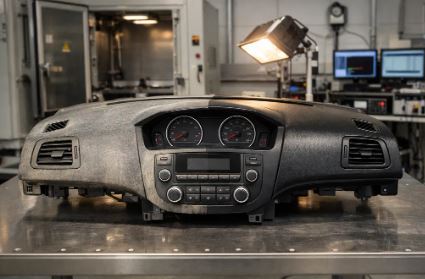
In the automotive industry, aesthetics are as important as safety. Both body paints and dashboard polymers are tested. Poor UV resistance can lead to headlight yellowing or cracking of interior plastics.
Construction
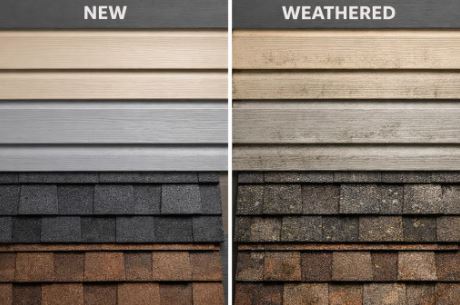
Materials such as PVC window profiles, sealants, ventilated façades, and roof coatings must guarantee decades of service life. Xenon testing enables early detection of failures such as loss of adhesion or discoloration.
Textile Industry
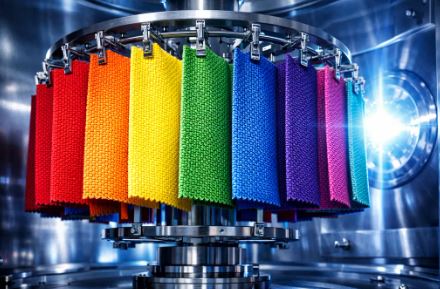
Technical and outdoor fabrics (sportswear, urban furniture textiles, awnings, etc.) are tested to verify color resistance, fiber degradation, and behavior under humidity and UV radiation.
Plastics and Polymers Sector
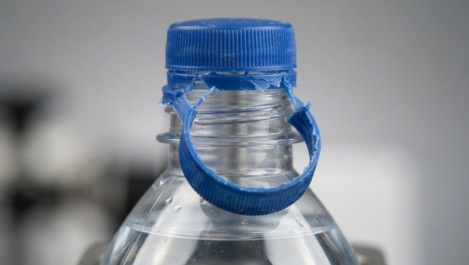
Plastics are especially sensitive to UV radiation. This test makes it possible to study embrittlement, yellowing, and loss of mechanical properties.
Example of an ATRIA Project
At ATRIA, we have extensive experience in conducting advanced climate testing, including xenon chamber testing applied to various industrial sectors.
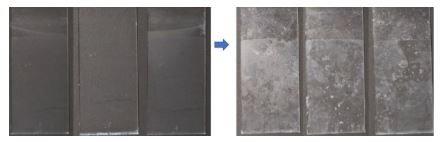
A notable example is a climatic and xenon aging testing project, where the behavior of different materials subjected to simulated environmental conditions was evaluated.
In this project, we worked on validating new self-cleaning coatings for photovoltaic panels. The challenge was to ensure that the hydrophobic properties of the coating would not degrade after years of intense solar exposure and acid rain. Through this project, we were able to define a customized protocol based on the geographic location of the final deployment, identify the coating’s critical failure point, and optimize the chemical formulation to increase service life by 30%.
Projects like this highlight the importance of integrating advanced testing during development phases, reducing risks and long-term costs.
Importance of Xenon Chamber Testing in Product Development
Why invest in xenon chamber testing? The short answer is risk reduction. Additionally, it provides:
- Cost prevention, by avoiding large-scale product recalls due to premature failures in the market.
- Material optimization, by enabling objective comparison between different raw material suppliers and UV additives.
- Sustainability, by designing more durable products and reducing waste generated by short-life products.
If your company is developing new materials or wants to validate the resistance of existing products, integrating corrosion and climatic aging tests is a fundamental step toward technical excellence.
Conclusion
Xenon chamber testing is an essential tool for evaluating material durability under real environmental conditions. Thanks to its ability to simulate solar radiation and other climatic factors, it provides key insights into long-term product performance.
At ATRIA, we combine state-of-the-art equipment with deep expertise in materials science to deliver results that drive your innovation.
Do you have a material that needs to be tested? Contact us and we will help you design the perfect testing plan for your project.