Technologies
9 November 2026
Paint formulation: how to develop a custom paint
Discover the components, processes and manufacturing techniques behind custom paint formulation.
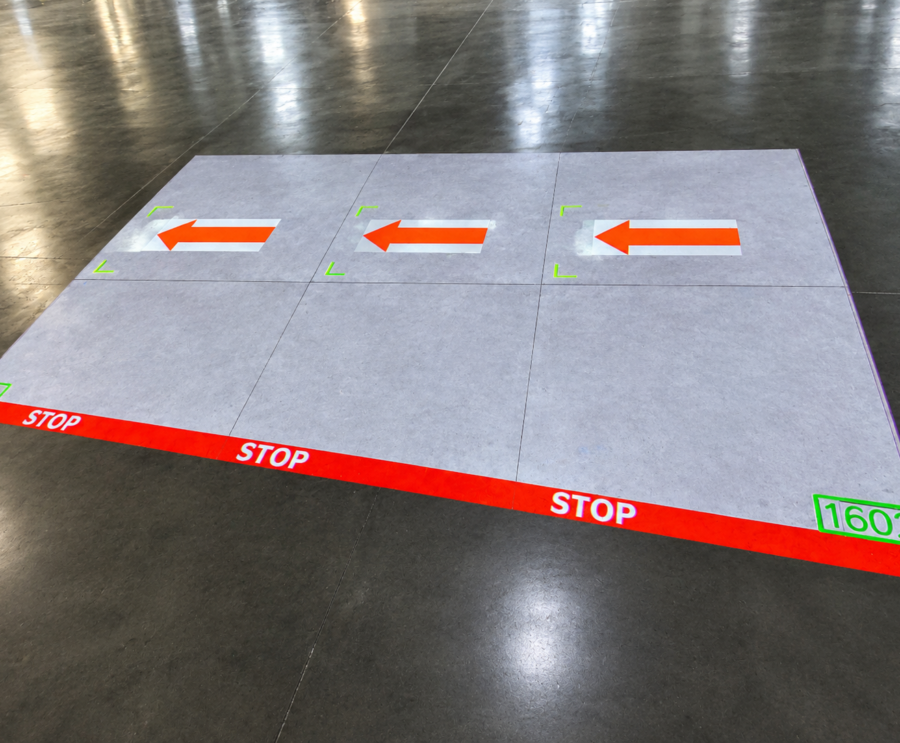
Augmented Reality (often abbreviated as AR) is a technology that has experienced significant growth across various sectors. Its purpose is to provide additional information beyond what we can see with the naked eye. To achieve this, digital images are overlaid onto the real-world environment we observe using different devices (mobile phones, smart glasses, etc.). In this way, reality is enhanced with additional digital information.
Augmented Reality has been used in applications across various fields, ranging from entertainment, where the hugely successful Pokémon Go is probably the most well-known example, to scientific fields, where it has been applied in both education and medicine. In industry, it has also been used for multiple tasks, such as logistics and traceability. However, one area where it has also achieved excellent results is training.
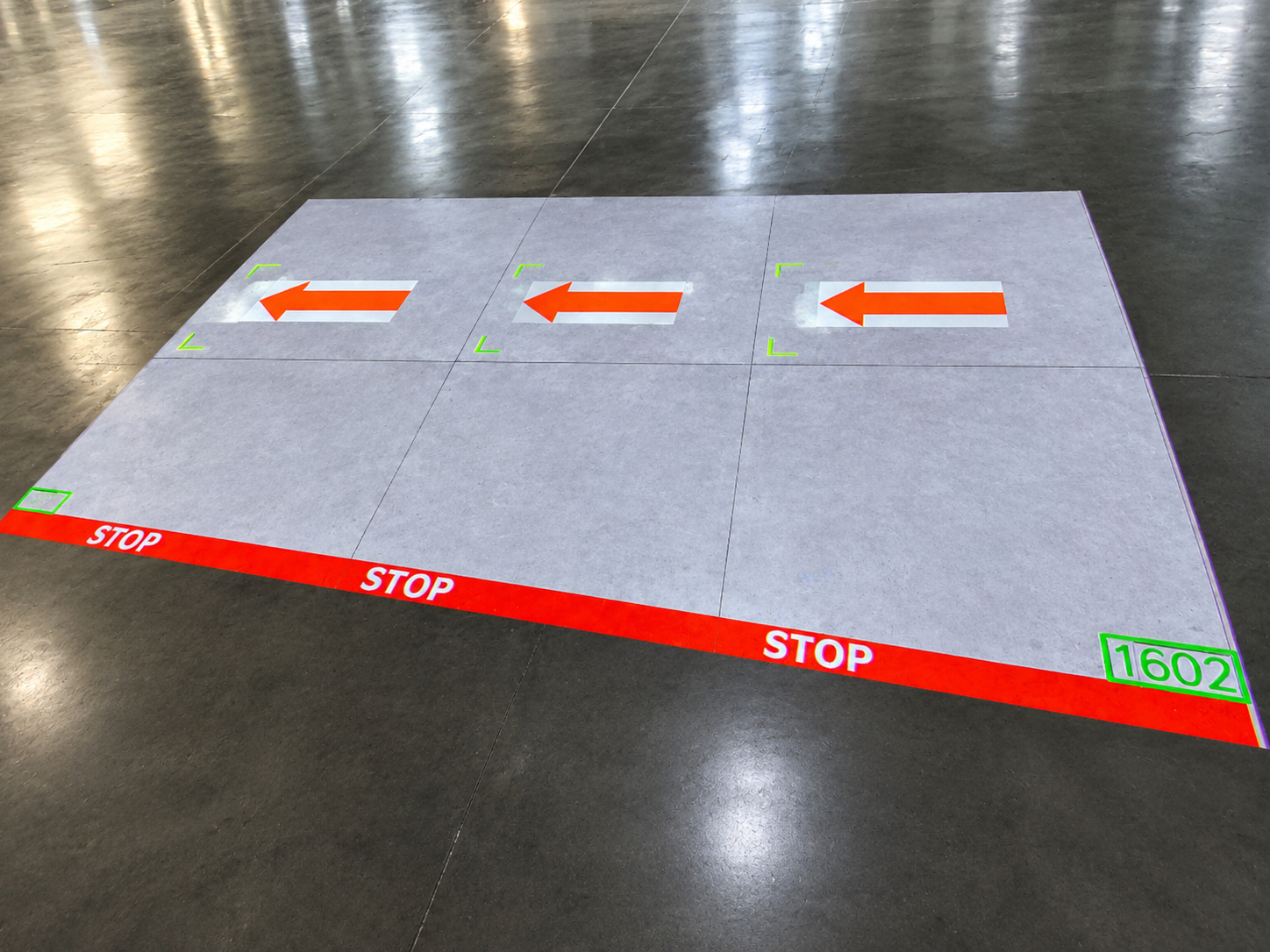
Augmented Reality training involves providing and overlaying information onto a real-world environment in order to simulate or learn a procedure. For example, imagine someone who needs to learn the steps involved in packaging a specific material. Using this technology, they could work in a controlled environment where, through AR, they can practise the assembly steps without having to handle the actual product or face any of the potential risks associated with it. This allows them to practise until they become familiar with the entire process and complete all the required safety steps, simulating real-life scenarios in a way similar to what is known as a digital twin.
Another similar application is guided workflows. In this case, the technology does not simply train the individual; it also displays each step directly onto the actual product. This allows someone who is still learning to follow the instructions and, with this guidance, perform the same tasks as an experienced operator while gradually learning to carry out the process independently.
Another technology often discussed alongside AR, or even more frequently, is Virtual Reality (commonly known as VR). Both technologies are very similar, as they provide users with digital information in a way that appears tangible.
The difference between AR and VR lies in how they interact with the real-world environment. AR overlays digital information onto reality, allowing users to interact with and see their surroundings. VR, on the other hand, provides a completely simulated environment in which users cannot see (or can barely see) their real surroundings. Due to this functionality and its high level of immersion, VR is usually the preferred technology for video games, whereas AR is generally preferred in environments where users still need to remain aware of their real surroundings.
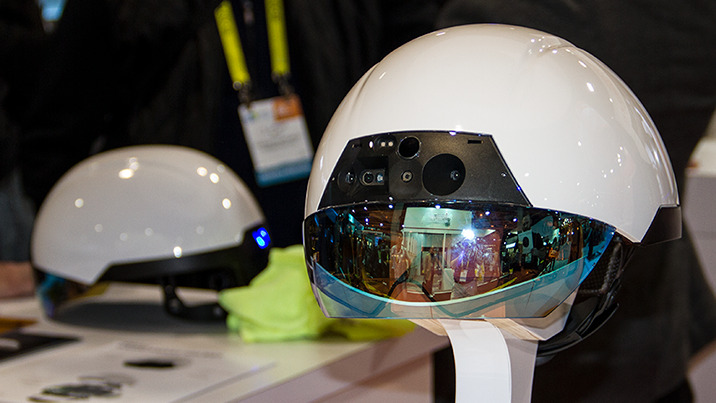
At an industrial level, factories involve multiple processes with varying degrees of complexity. These processes may include product assembly, maintenance or the operation of a specific machine.
Working with several of these processes can become highly complex, even for experienced operators, due to the number of procedures involved and their varying requirements. Remembering all the steps required to operate a machine safely and correctly or to carry out an assembly process can be challenging. This becomes even more complicated when a product has different models requiring specific procedures. If keeping track of all this information is difficult for experienced operators, it is clear that the learning curve for new employees can be particularly steep. This is where Augmented Reality training comes into play.
As mentioned in the previous sections, this technology can be used not only for training purposes but also to guide operators through each step of an assembly process. While this may offer limited benefits to an experienced operator, it can be extremely useful for someone new to the job or unfamiliar with the product. It allows them to follow all the steps without prior knowledge and maintain a working pace similar to that of an experienced colleague. It also makes it easier to carry out different assembly procedures depending on the product model or variant.
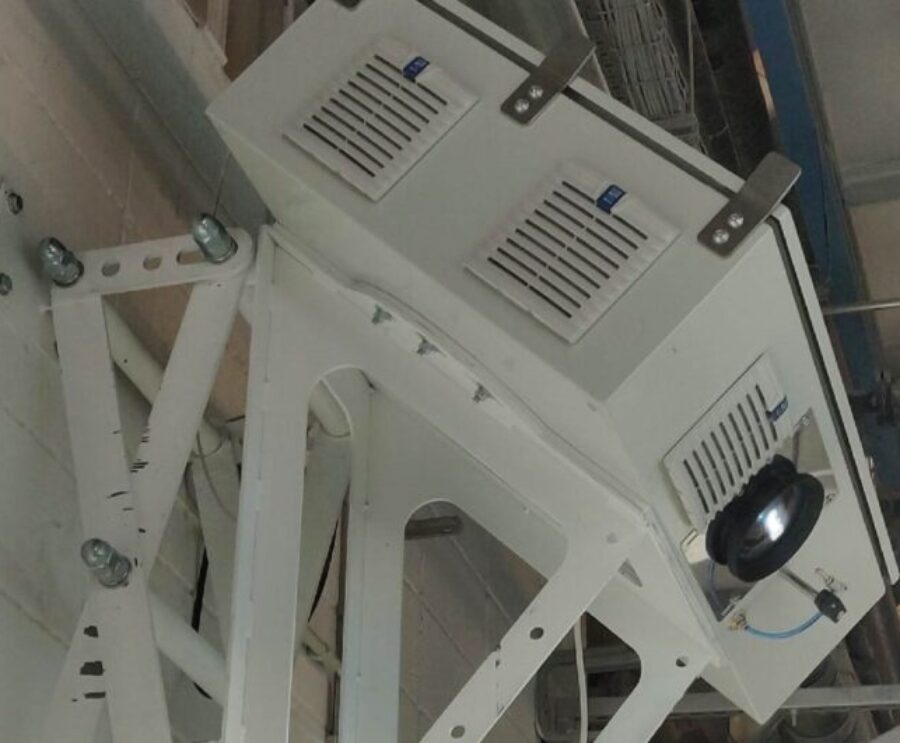
Various devices and technologies can be used to display these instructions and overlay digital images onto the real-world environment. The technology selected has a significant impact on how AR is used. Tablets with cameras can be used for tasks that mainly require access to information. However, if an operator needs constant access to information while working, smart glasses are a better option, as they provide hands-free access at all times. In cases where AR is required at a specific workstation, a projector is often used to display instructions and information directly onto the actual product. This means that operators do not need any additional accessories to carry out their work.
The applications of AR, particularly Augmented Reality training, have become clear throughout this article. Its application in industrial environments can be especially valuable.
As explained above, AR is extremely useful as a support system for product assembly and processing. In particular, it is a great help for new operators who still need to learn and internalise all the required procedures, helping them avoid mistakes while maintaining production rates.
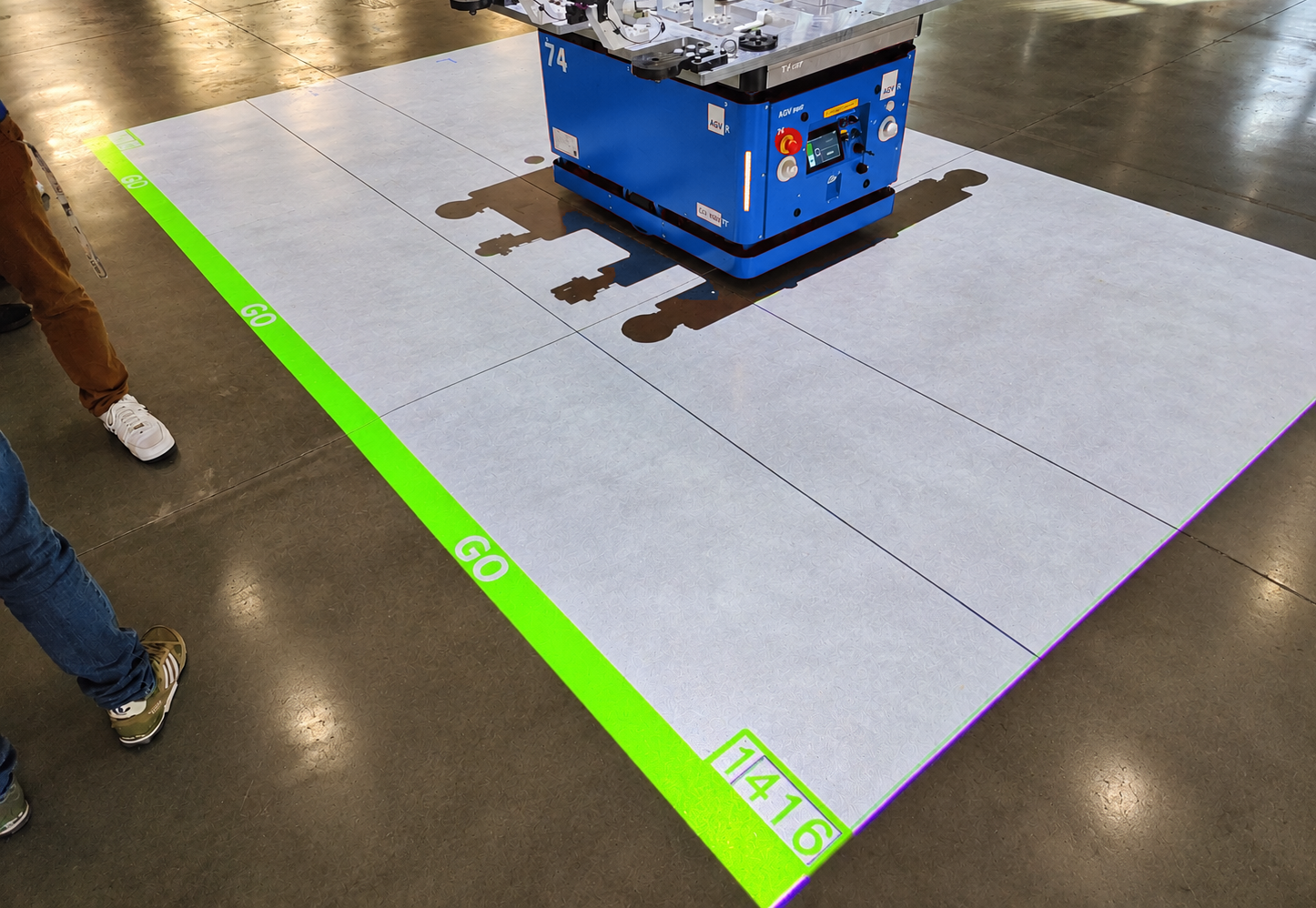
However, assembly is not the only area where Augmented Reality training can play an important role. Many factories already use this technology as a visual guidance system to help ensure that everyone follows the required safety measures. It allows messages to be easily adapted to different areas or modified whenever necessary. For example, within a factory, it can display different safety instructions depending on whether loads are being transported or vehicles are moving through the area. This helps remind employees to wear the required personal protective equipment (PPE) and follow the minimum safety procedures applicable to each zone.
Just as with assembly processes, equipment maintenance also benefits from this technology. AR can guide operators and display the necessary steps to ensure that maintenance tasks are carried out correctly and safely.
The results and benefits of Augmented Reality training, particularly within the context of Industry 4.0, are clear and have been supported by various studies.
Analysing the results reveals a significant improvement in process learning, as well as a considerable reduction in the time required for training compared to conventional methods. However, one of the areas where AR delivers the greatest benefits is the reduction of production errors. By making instructions and all the relevant variations for different product models easily accessible and clearly displaying them directly over the product, operators are less likely to make mistakes or forget specific steps. This ultimately improves the production process itself.
Despite its usefulness, AR still presents several limitations when applied to Industry 4.0 and industrial training. Due to the complexity of the processes carried out in manufacturing facilities, any changes must be taken into account to keep the AR system up to date. Otherwise, discrepancies may arise and lead to further errors.
Proper maintenance and equipment management are also essential. If the system uses a projector at a specific workstation, it is important to ensure that its position remains as stable as possible and to account for any physical changes to the workstation.
For these reasons, the use of AR, and particularly Augmented Reality training, requires ongoing maintenance and regular reviews to ensure that the system continues to function correctly.
As in the rest of the world, AR is a technology that is being implemented in an increasing number of projects and processes in Spain.
Iberdrola has started using this technology to support installation work in residential properties, and its applications have also expanded into other fields, such as medicine and aviation. At ATRIA, several devices of this type have been installed in different factories, where they have proved extremely useful, particularly for Augmented Reality training.
Are you interested in implementing an AR training system in your factory? At ATRIA, we have extensive experience in this type of project. Get in touch with us!

Your success is our goal. We want to be your partner in the development of your projects, leveraging the power of innovation, flexibility, and the trust we provide. Together, we make a difference through new technologies.
Contact us and let’s build the future together!