Paint formulation is an area of materials engineering focused on the development of coatings that not only protect surfaces and improve their appearance, but also provide them with specific properties. Paints are used in numerous industrial sectors, including construction, automotive, marine and furniture manufacturing. They are not simply a combination of substances designed to achieve a particular colour. Paint is a complex system in which each component performs a specific function and must be properly integrated to achieve the desired characteristics.
Paint manufacturing currently faces new challenges related to environmental protection, the limitation of toxic compound emissions and the need to incorporate increasingly specific functionalities. As a result, it is essential to understand both the interactions between the different components and the parameters that determine the final performance of the paint. International standards (ISO and ASTM) provide standardised procedures for assessing quality and performance by measuring properties such as adhesion, gloss, hardness and corrosion resistance. Applying these protocols makes it possible to obtain reproducible and comparable results and verify technical requirements before a product is introduced to the market.
Throughout this article, we will examine the main components of paint and the role each one plays in its formulation. We will also explore the different stages of the manufacturing process and the key considerations involved in designing a coating tailored to specific requirements.
What is paint formulation and what are its main components?
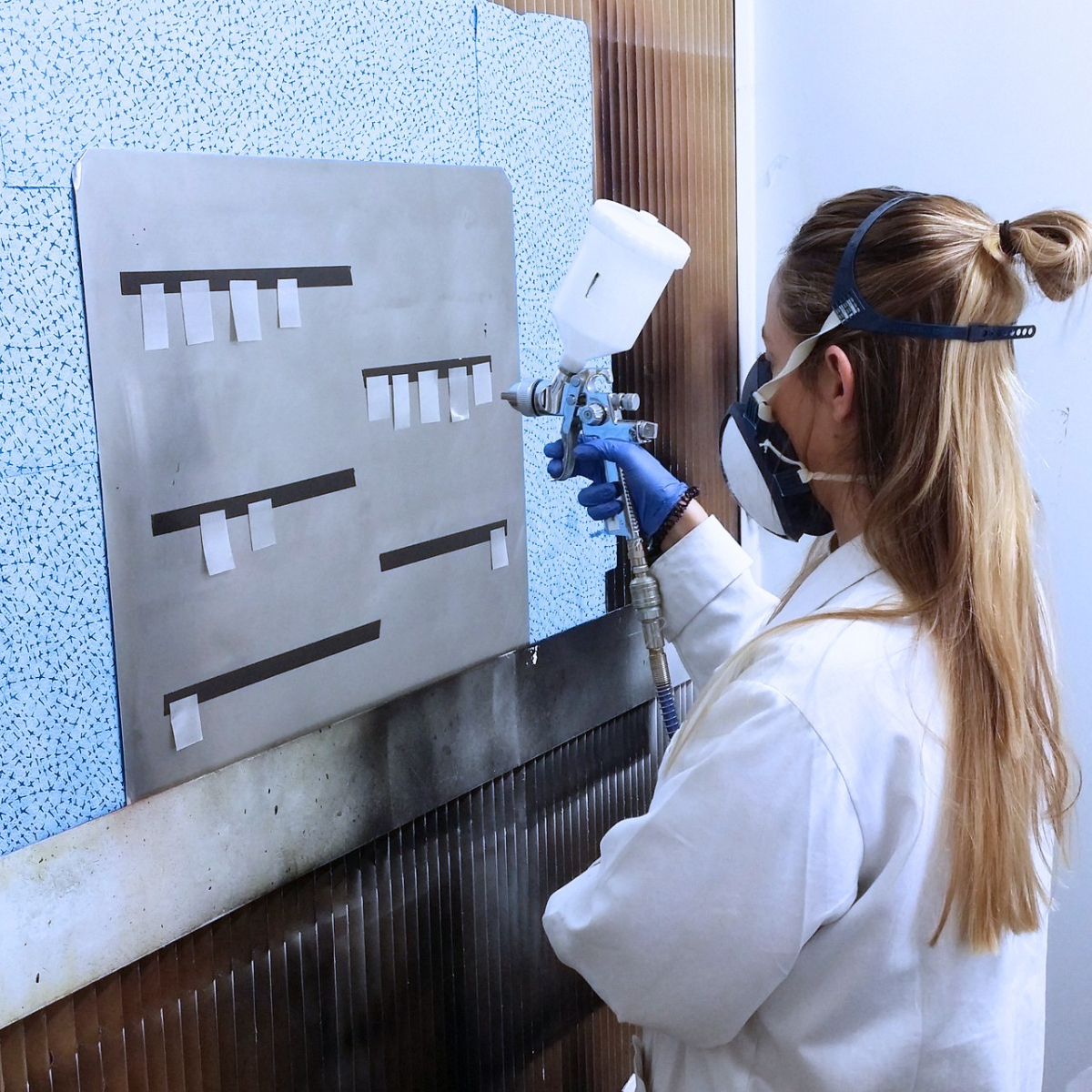
Paint formulation involves developing new coatings and designing products tailored to different needs and applications. It mainly consists of selecting raw materials and establishing the proportions in which they should be combined to achieve the desired properties. This requires taking into account both the characteristics of each component and how it interacts with the other elements in the paint composition.
A paint formulation consists of resins, pigments, fillers, solvents and additives. The selection of these components and the adjustment of their quantities directly affect the main properties of the paint: colour, finish, ease of application, adhesion and coating resistance. For this reason, there is no single composition suitable for all paints. Each formulation must be tailored to its intended purpose and the requirements the product needs to meet.
The objective is to strike a balance between technical performance, paint stability, manufacturing costs and environmental requirements. To achieve this, the compatibility of raw materials must be assessed and the results obtained during formulation optimisation must be evaluated through various tests. Formulation is therefore an essential stage in developing high-quality paints that deliver suitable performance under the conditions for which they have been designed.
Components used in paint formulation
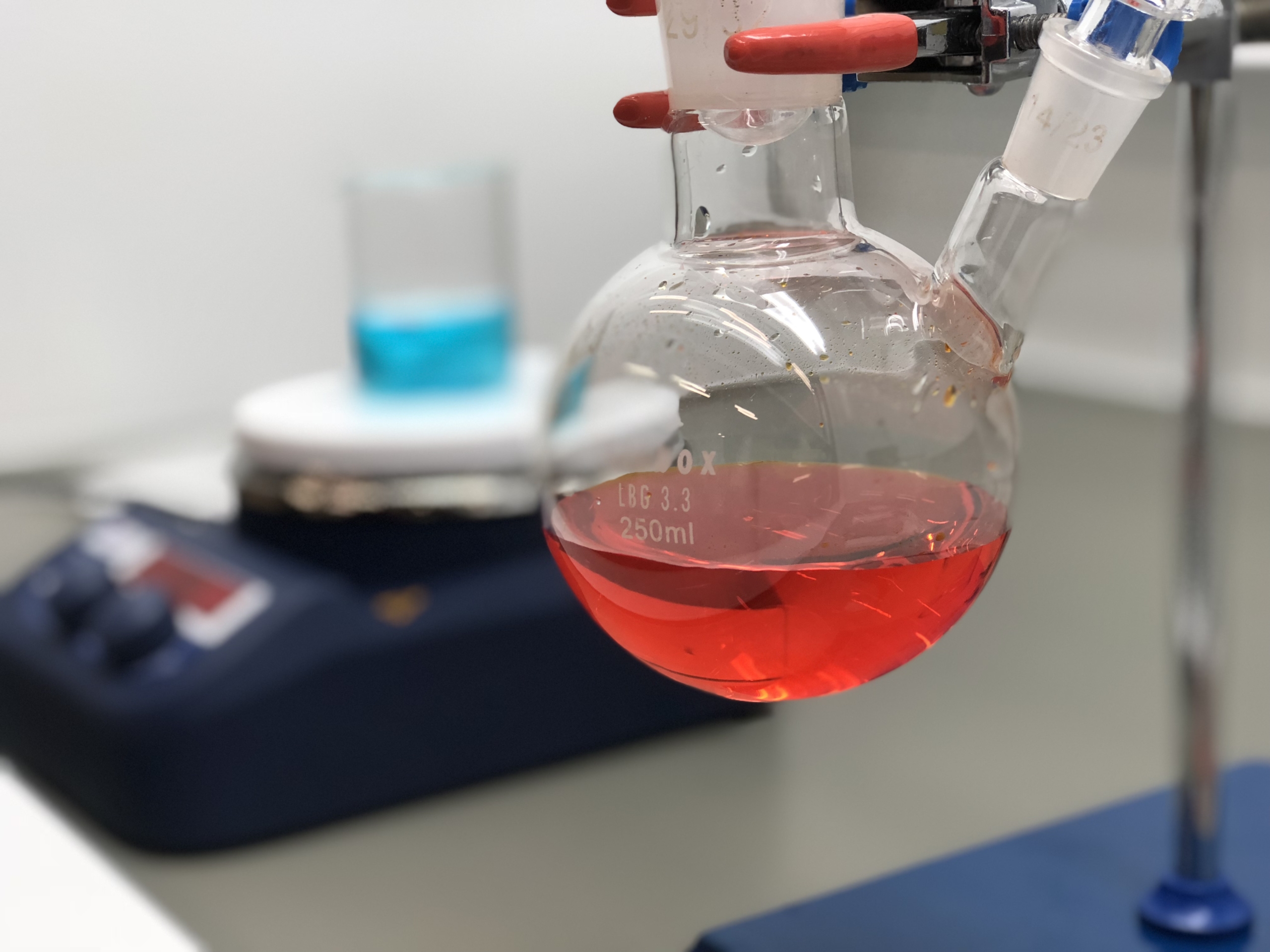
The main components used in a paint formulation include:
- Binder or resin: one of the key components, as it forms the film that provides protection, cohesion and adhesion to the substrate. It also influences properties such as the mechanical and chemical resistance of the coating. Resins may be acrylic, alkyd, epoxy or polyurethane-based.
- Pigments: primarily provide colour and opacity to the final finish. They may also perform additional functions, such as protecting against corrosion or reducing the effects of ultraviolet radiation.
- Mineral fillers: modify the texture, viscosity, gloss and hardness of the paint. Common examples include calcium carbonate, talc and barium sulphate, which help optimise the overall formulation cost.
- Solvents: adjust the viscosity and drying behaviour of paints. They may be organic or water-based.
- Additives: improve specific aspects of the formulation and are incorporated in small quantities. These include:
- Dispersants, which promote the uniform distribution of pigments.
- Defoamers, which control bubble formation.
- Thickeners, which regulate viscosity.
- Biocides, which limit the growth of microorganisms.
- Levelling agents, which help produce a uniform surface.
How paint formulation works: pigment-to-binder ratio, PVC and CPVC
Understanding the purpose of each ingredient in a paint is essential, but the main challenge lies in finding the right proportions for all of them.
The pigment-to-binder ratio (P/B) indicates the proportion of pigments and mineral fillers relative to the resin used in a paint. It affects the properties of the coating once it has dried. In general, a lower proportion of pigments and fillers favours brighter, more compact and more resistant finishes. By contrast, a higher proportion usually results in matt, more porous surfaces and a lower formulation cost, although it may reduce certain performance properties, such as scrub resistance and resistance to environmental conditions. Controlling the P/B ratio is therefore essential to adapting the paint to the requirements of each application and finding a balance between its properties and cost.
Among the parameters analysed, the pigment volume concentration (PVC) indicates what percentage of the solid volume in the dry film consists of pigments and fillers. This value is essential for achieving the right balance in a paint formulation. When the PVC is low, there is usually enough resin to cover the solid particles and form a compact film with good gloss and high resistance. This is typical of enamels and protective coatings. However, as the proportion of pigments and fillers increases, the finish tends to become more matt and the film may become more porous.
There is a point known as the critical pigment volume concentration (CPVC), above which there is no longer enough resin to fill the spaces between the particles. Exceeding this point can significantly reduce properties such as scrub resistance and the coating’s ability to prevent water penetration.
In conclusion, formulating a paint requires testing, analysing the results and modifying the composition whenever necessary. It is a gradual adjustment process in which every change must be assessed in terms of its effects on the coating as a whole.
Paint manufacturing process: premixing, dispersion/grinding and fineness (Hegman)
Once the paint composition has been defined, the manufacturing process begins. Its objective is to obtain a homogeneous mixture in which pigments and fillers are evenly distributed and remain stable. Several stages are followed to incorporate the ingredients, improve their dispersion and adjust the properties of the final product.
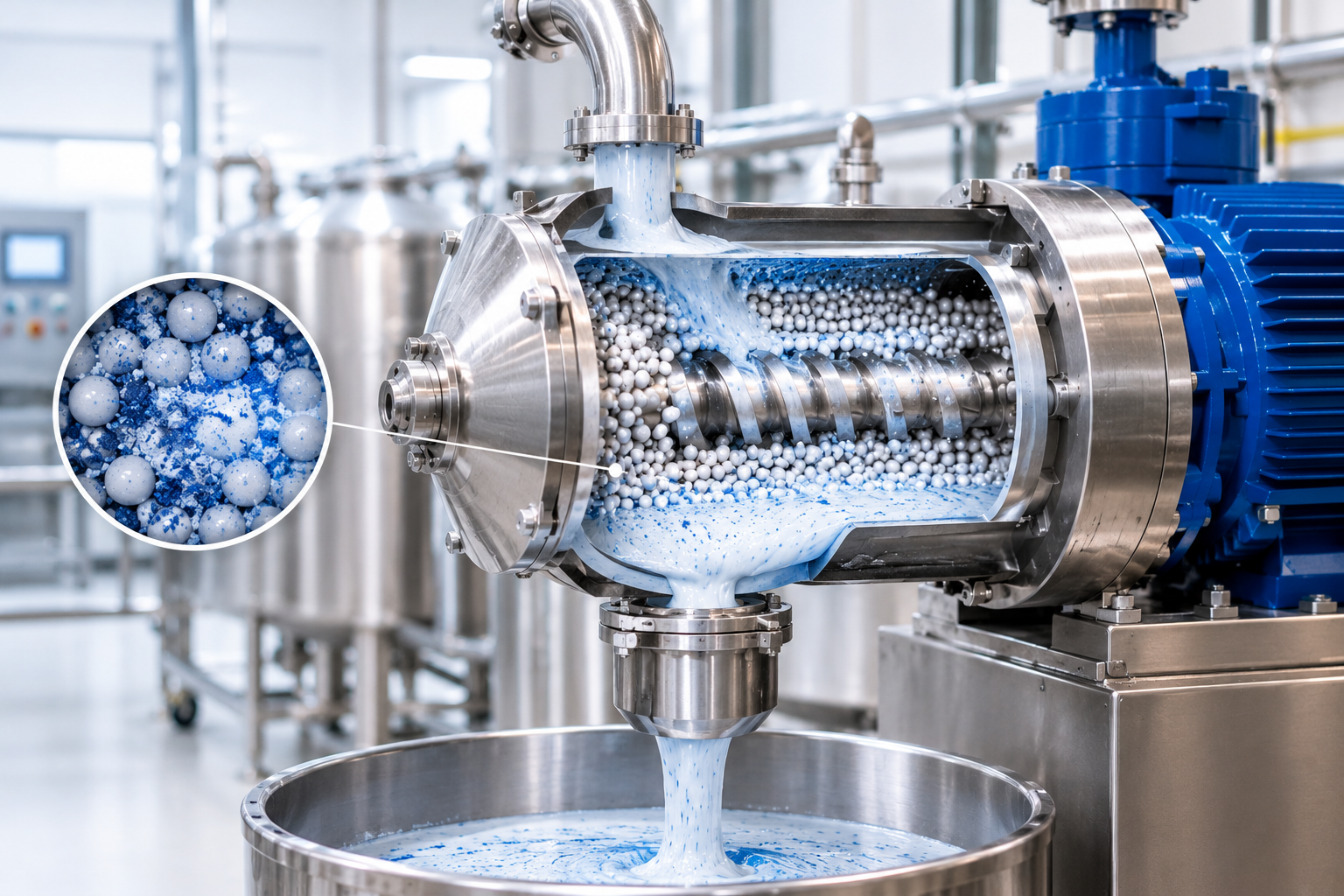
- Premixing: part of the resin, the solvent, dispersants, pigments and fillers are combined through agitation. This stage promotes particle wetting and helps prevent the formation of lumps.
- Dispersion: this is usually carried out using high-speed equipment that separates particle agglomerates and distributes them uniformly throughout the mixture.
- Grinding: in some formulations, particularly when a very fine, high-gloss finish is required, an additional grinding stage is necessary. Bead mills can be used to reduce the size of agglomerates and improve dispersion quality.
- Final adjustments: once the desired fineness has been achieved, the remaining formulation components are added and the final adjustments are made to viscosity, colour and other required properties.
- Quality control and packaging: finally, the paint is checked to ensure that it meets the established specifications before being packaged. Controlling each of these stages is essential to ensuring the coating’s homogeneity, quality and performance.
Types of paint formulations: water-based, solvent-based, high-solids and powder coatings
Paints are classified according to the medium used to disperse the binder and the mechanism through which the film forms on the surface. The choice of paint depends on factors such as the characteristics of the substrate, the required performance, the application method, drying or curing conditions and environmental requirements.
- Water-based paints use water as their main component and generally contain acrylic or vinyl resins. Their lower environmental impact has encouraged their use in the decorative sector and their growing adoption in industrial applications. However, their drying process can be affected by environmental factors, particularly temperature and humidity.
- Solvent-based paints use organic solvents that facilitate application and allow high-quality finishes to be achieved. However, the VOC emissions associated with these products are subject to increasingly stringent regulatory restrictions. As an alternative, high-solids paints reduce the amount of solvent and allow thicker coats to be applied, although they may have higher viscosity and require more carefully controlled application conditions.
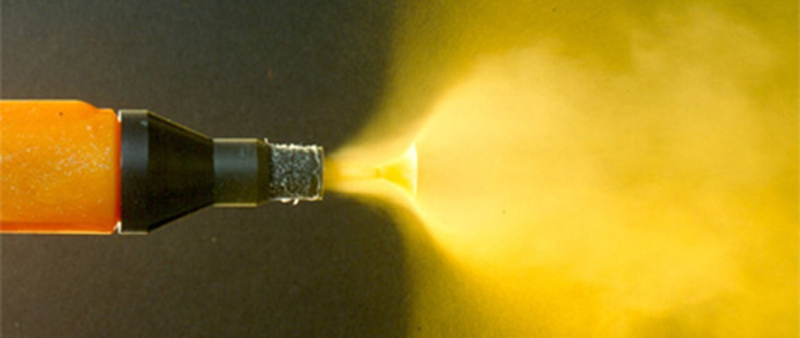
- Powder coatings do not use solvents in their formulation. Instead, they are generally applied using electrostatic systems and require a heating stage in which the material melts and forms a continuous film, which is subsequently cured where applicable. Their main advantages include the durability of the finish, low emissions during application and the possibility of recovering some of the excess powder. Their main limitation is the need for curing temperatures that are compatible with the substrate, which is why they are particularly common in metal components.
Paint formulation testing and characterisation
Once manufacturing is complete, the paint must be analysed to determine whether it meets the established requirements and maintains consistent quality from one batch to another.
The most common properties assessed include:
- Viscosity, which affects ease of application, levelling and product stability during storage. It can be measured using equipment such as rotational viscometers or flow cups.
- Dispersion fineness, which is measured using a Hegman grind gauge and makes it possible to detect large particles or agglomerates that could affect the finish.
- Gloss, which is measured using a gloss meter in accordance with standards such as ISO 2813 to characterise the surface appearance of the coating.
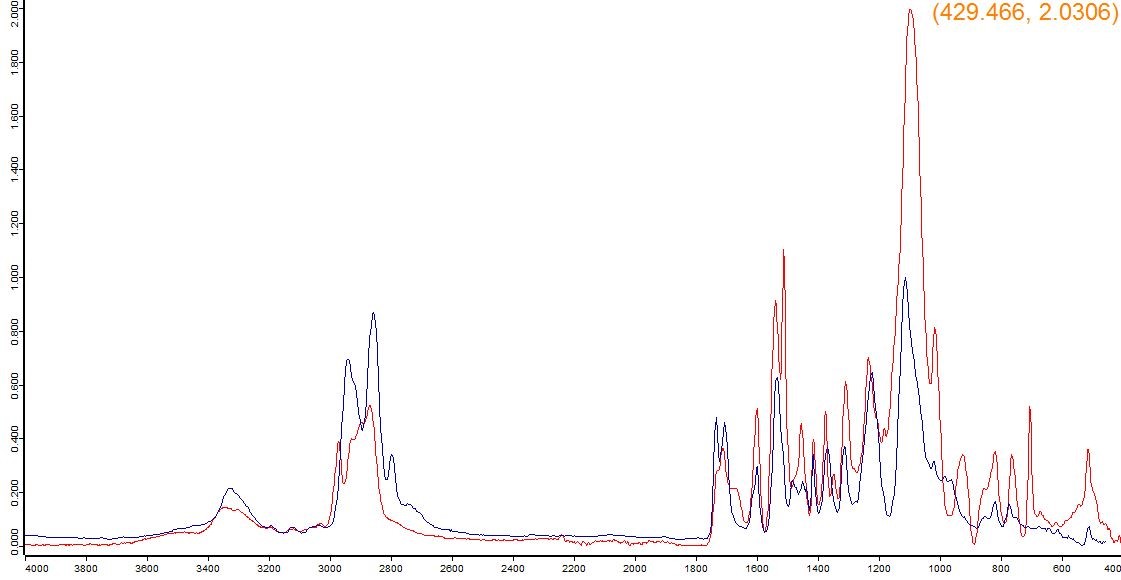
In addition to these tests, Fourier-transform infrared spectroscopy (FTIR) is particularly useful for studying the chemical composition of paints and investigating potential problems during manufacturing or application. This technique can identify chemical groups characteristic of the binder, verify the composition of raw materials and compare different batches with a reference sample. It can also be used to study certain curing processes by monitoring changes in spectral bands associated with specific functional groups.
Another particularly interesting application is the analysis of coating defects. Comparing defect-free and defective areas can help detect contaminants, such as silicone residues associated with crater formation, or chemical differences that may help investigate adhesion problems.
Current regulations and the situation in Spain (VOC, TiO₂)
Regulations governing paint formulation are directly related to volatile organic compounds (VOCs). The main reference framework is Directive 2004/42/EC (Decopaint), which limits the total VOC content in paints, varnishes and vehicle refinishing products listed in Annex I in order to prevent and reduce air pollution.
In Spain, this Directive is implemented through Royal Decree 227/2006. Under this legislation, the products concerned may only be placed on the market if their VOC content does not exceed the established maximum limits. The legislation also requires labels to indicate the product type and its maximum VOC content. For the purposes of this regulation, a VOC is defined as any organic compound with an initial boiling point of 250 °C or lower at standard pressure. VOC content is expressed in g/l of the product ready for use.
Emissions from facilities carrying out coating activities are regulated separately. Royal Decree 117/2003 limits VOC emissions resulting from the use of solvents in certain activities and was amended by Royal Decree 815/2013 to incorporate Directive 2010/75/EU on industrial emissions.
As regards titanium dioxide, the main white pigment used in the sector, Regulation 2020/217 had classified it as a suspected carcinogen by inhalation when present as a powder containing 1% or more particles with an aerodynamic diameter equal to or below 10 μm. This required a review of labelling and safety data sheets. However, on 1 August 2025, the Court of Justice of the European Union confirmed the annulment of this classification, and in September of that year the ECHA announced the corresponding update. Nevertheless, it is advisable to monitor future developments and maintain good practices when handling powdered pigments.
How Atria helps you formulate or reformulate your paint: characterisation and testing
Developing a custom paint or improving an existing formulation may be driven by different needs: reducing VOC emissions, replacing certain raw materials, improving adhesion or identifying the causes of a recurring application defect. Addressing these challenges requires a thorough understanding of the coating’s composition and an assessment of how each component affects its properties.
At Atria, we help companies in the sector study and optimise their formulations using advanced material characterisation techniques. We use Fourier-transform infrared spectroscopy (FTIR), with an ATR accessory, to identify components, compare raw materials and batches, and analyse potential chemical changes during curing. This technique is also useful for investigating coating defects, such as craters, adhesion problems or contamination, by comparing affected areas with defect-free surfaces.
We also have other characterisation tools, such as atomic force microscopy (AFM) and hyperspectral imaging, which allow us to study the surface characteristics and homogeneity of coatings. These analyses can be complemented by design of experiments (DoE), a methodology that helps plan tests, identify the factors that have the greatest influence on results and optimise formulations efficiently.
Are you facing a challenge related to paint formulation or performance? Get in touch with us!