

Post

How reverse engineering transforms the industry

Technologies
ingeniería inversa

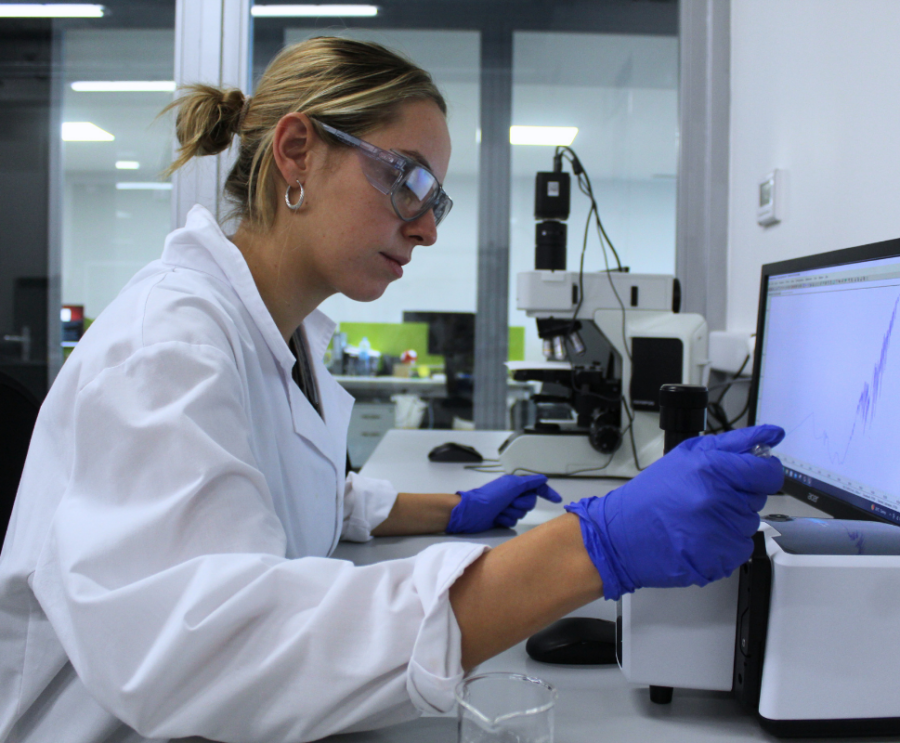
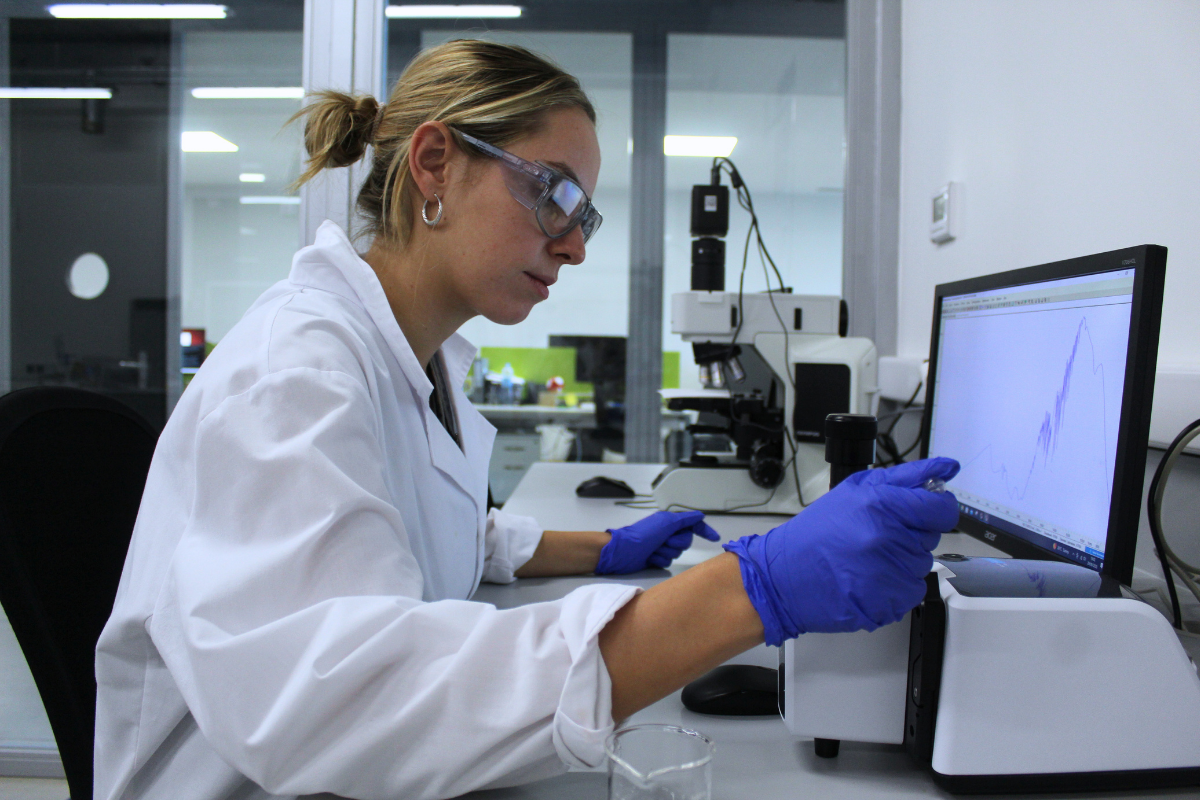
Reverse engineering has become a technical and strategic discipline capable of transforming a physical product into useful knowledge. Thanks to it, companies can analyze materials, manufacturing processes, and functional behaviors to reduce development times, optimize costs, and make decisions based on real data.
Far from being a simple copying practice, reverse engineering drives industrial innovation, improves product quality, and enables complex problems to be solved quickly and accurately.

ingeniería inversa

What does reverse engineering entail?

Reverse engineering is the process of analyzing an object, material, or system with the aim of understanding its composition, structure, and operation. In the industrial field, this methodology makes it possible to study how a product is designed, what materials it is made of, and why it exhibits certain properties or behaviors. Although its origins date back to the Industrial Revolution, when manufacturers analyzed competitors’ products to stay up to date, today it relies on advanced techniques such as chemical characterization, structural analysis, and digitalization.

Its main competitive advantage is resource savings. Instead of going through the entire R&D process from scratch, companies can leverage existing knowledge to accelerate product development, minimize errors, and significantly reduce the costs associated with trial and error.

ingeniería inversa

The legal framework: myths and realities

One of the most common misconceptions is associating reverse engineering with piracy or illegal copying. However, in the European Union and in most international legal frameworks, reverse engineering is a completely lawful practice as long as the product has been legally acquired and protected rights are not infringed.

The fundamental difference lies in the objective and the added value: while piracy seeks the exact reproduction of a product, reverse engineering aims to understand functions, materials, and processes in order to develop improved solutions or solve technical problems.

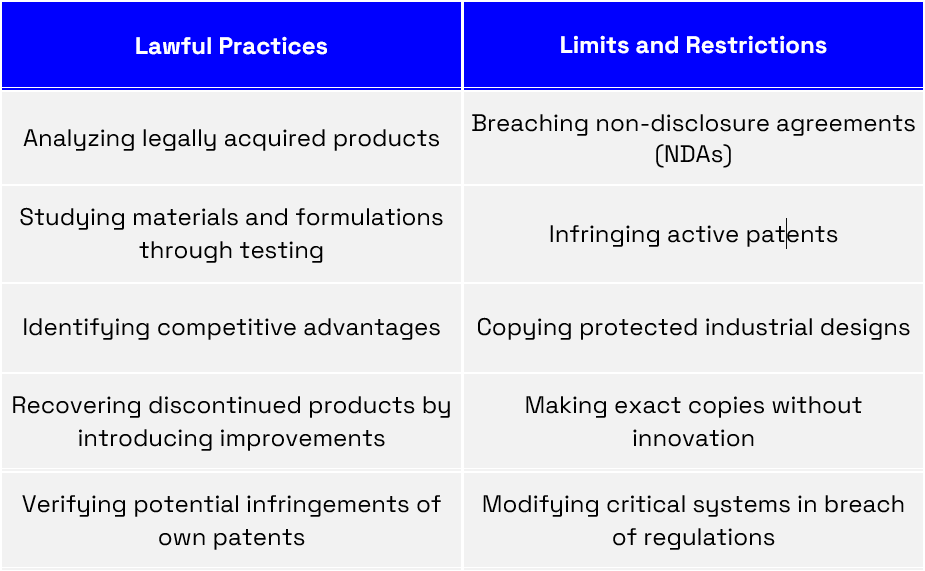
What is and isn’t allowed in reverse engineering?

ingeniería inversa

ATRIA’s reverse engineering methodology

To transform a physical object into actionable knowledge, reverse engineering must follow a structured and rigorous process. At ATRIA, we work through a methodology that combines experimental analysis, advanced characterization, and technical validation. It is divided into the following phases:

  1. Data acquisition: The process begins with the collection and analysis of all available technical information. The goal of this phase is to establish a reference profile that allows modification windows and optimization opportunities within the formulation to be identified.
  2. Chemical deconstruction and structural analysis: Next, the chemical compounds and materials present in the sample are studied. The goal is not only to determine “what it contains,” but also to understand the function of each component and how it affects the product’s final behavior.
  3. Recreation and improvement: Using the information obtained, a new formulation or design is developed incorporating strategic improvements aimed at optimizing performance, cost, durability, or industrial processability.
  4. Comparison and validation: Finally, the new development is compared with the original reference to verify that it matches or exceeds its performance through functional testing and comparative analysis.

ingeniería inversa

Reverse engineering applied to paints, coatings, and resins

Paints and coatings are complex chemical systems where resins, pigments, fillers, and additives interact. Minimal variations can alter properties such as adhesion, UV resistance, or durability. Reverse engineering makes it possible to identify the chemical nature of these components and verify whether they match the supplier’s specifications.

The screen-printing resin case

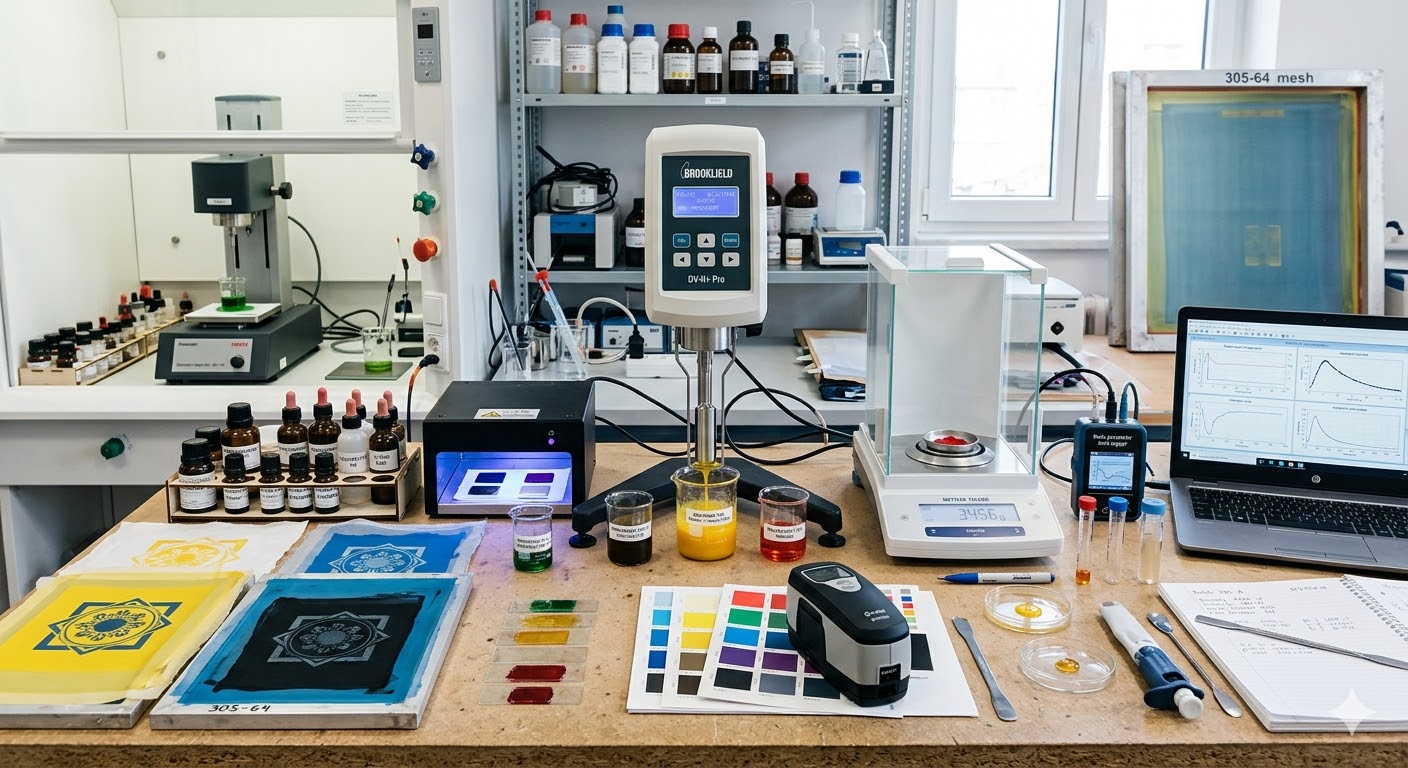
One of the most representative projects developed at ATRIA arose when a supplier stopped manufacturing a screen-printing resin that was essential for a client’s production.

The problem was especially critical because there was no commercial substitute offering the same performance.

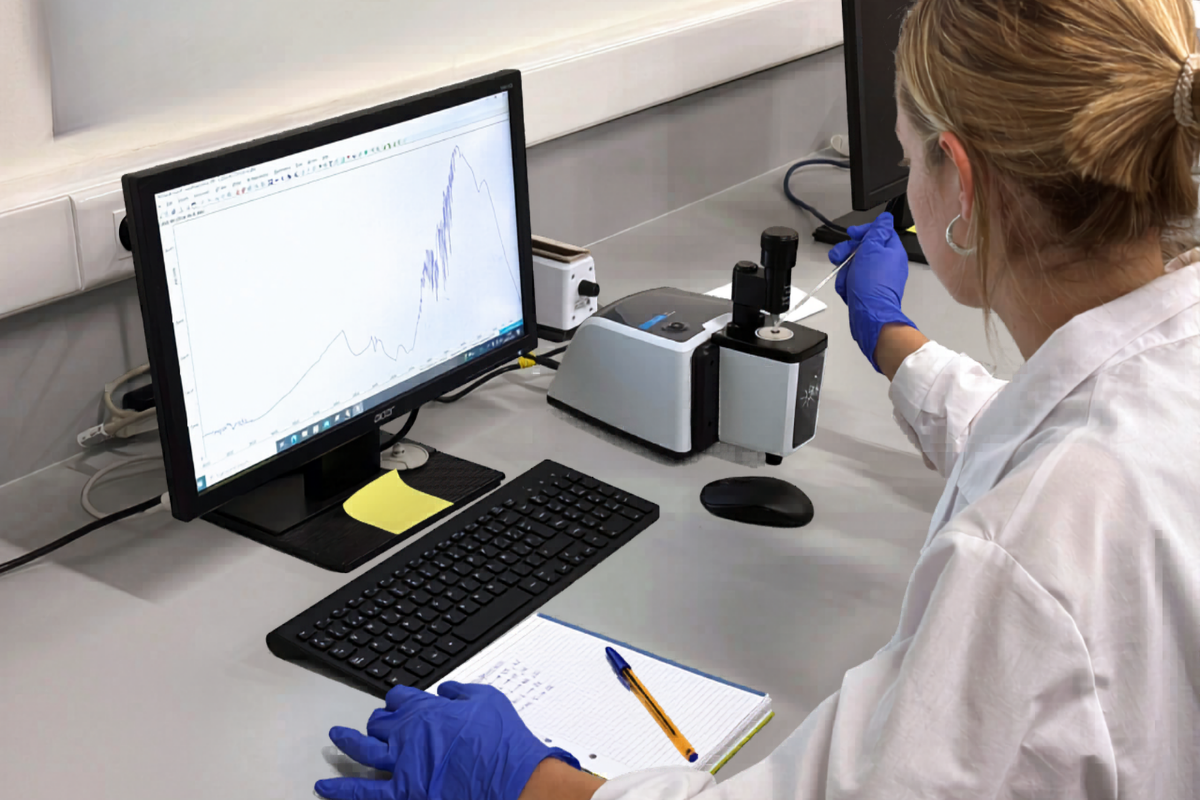
To solve it, a complete advanced characterization process was carried out using a combination of complementary techniques. The analysis began with FTIR spectroscopy to identify the polymer base and its additives, followed by thermogravimetric analysis (TGA) to determine solid content and degradation temperatures. The thermal behavior was then evaluated using differential scanning calorimetry (DSC), and the chemical map was completed using pyrolysis and gas and liquid chromatography to isolate trace components.

After understanding the function of each compound, it became possible not only to reproduce the original resin, but also to improve certain properties related to its industrial application. The final result was an optimized formulation that maintained the original performance while improving applicability on the production line.

ingeniería inversa

Supplier quality control

Reverse engineering also plays a fundamental role in raw material validation and supplier quality control.

The artificial turf case

In one of our projects, an artificial turf manufacturer detected that certain batches were beginning to yellow and degrade prematurely after solar exposure, something that had not occurred in previous batches.

To identify the source of the problem, a comparative FTIR analysis was carried out between a compliant sample and a defective one. The results revealed two key findings:

  • The presence of talc in the defective formulation, used as a low-cost filler to reduce material costs.
  • A drastic reduction in the amount of UV-protective additives.

Thanks to the chemical analysis, the client was able to demonstrate non-compliance with technical specifications and correct the issue before it affected a larger production volume.

ingeniería inversa

Learning from competitor performance

Reverse engineering is also a key technical benchmarking tool. Analyzing market-leading products makes it possible to understand which factors explain their performance and to identify opportunities for improvement.

The heating equipment case

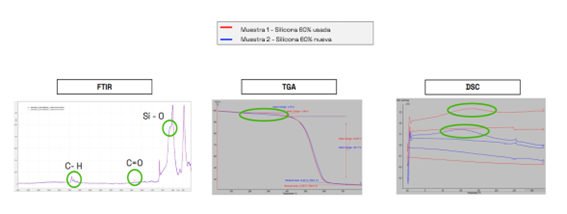
During the analysis of a heating equipment, a strong plastic smell was detected during use. Through reverse engineering techniques, it was discovered that certain internal silicone parts had not properly completed their curing process at the factory.

As a result, the heat generated during household use completed the curing process, releasing unwanted volatile compounds. Detecting this type of failure not only helps improve the end-user experience, but also allows manufacturers to optimize industrial processes and avoid issues related to food compatibility or emissions.

ingeniería inversa

Innovation driven by knowledge

Reverse engineering has become an essential tool for modern industrial innovation. But its true value does not lie solely in reproducing a product, but in understanding it deeply in order to improve it. Thanks to scientific and technical analysis, companies can reduce uncertainty, accelerate development, and make decisions based on real evidence.


At ATRIA we transform that knowledge into practical solutions and tangible competitive advantages for our clients.

Contacto-cortada-image

Contact

Your success is our goal. We want to be your partner in the development of your projects, leveraging the power of innovation, flexibility, and the trust we provide. Together, we make a difference through new technologies.

Contact us and let’s build the future together!