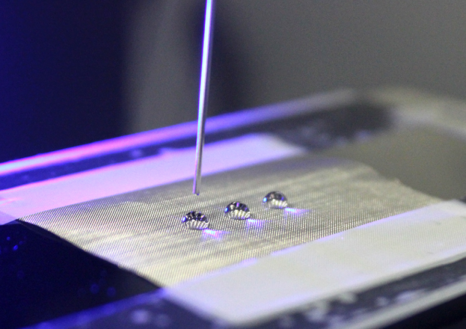
Surface modification, at a physical and chemical level, through the application of paints, inks, adhesives, and coatings, is a common and fundamental process in numerous industrial sectors. These treatments add value to materials by protecting the surface, improving its aesthetic appearance, or providing new functionalities. However, for a coating to improve the surface properties of a material, it is not enough for its functionality to be suitable; there is another essential factor in the equation: adhesion between the coating and the material.
In many situations, particularly when materials have a stable surface, as is the case with certain plastics, composite materials, metals, glass, or contaminated surfaces, adhesion between the substrate and the functional groups of the coating may not be adequate. As a result, the coating may peel off, crack, or lose its properties during use. One possible solution to this problem is surface activation, a process carried out prior to coating application that modifies the characteristics of the material’s surface and promotes its interaction with the functional groups of the coating.

What does surface activation involve?
Surface activation is based on modifying the properties of the outermost layer of a material to facilitate its interaction with another material.
When a paint or coating is applied to a substrate, the product must adequately wet the surface and establish sufficient interactions with it. A surface with low surface energy can hinder this process, resulting in poor wetting and, consequently, poor adhesion.
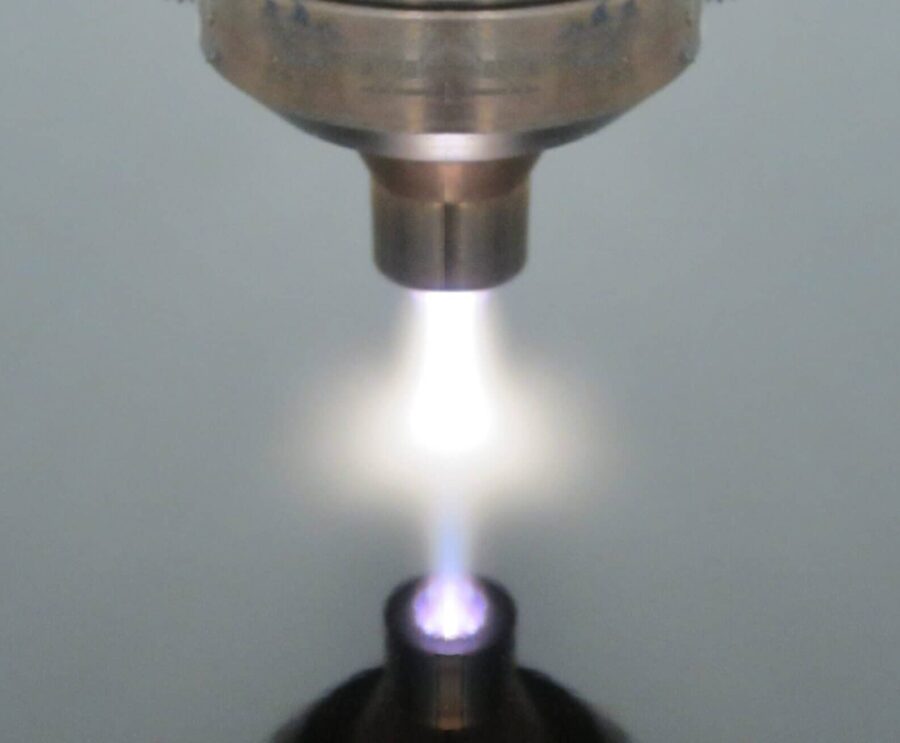
Surface activation makes it possible to modify the chemistry of the substrate surface. Depending on the technology used, this may include increasing surface energy, introducing functional groups, removing contaminants, or modifying the surface chemistry. A very illustrative example is surface activation using plasma. Plasma is a technology with high chemical reactivity that removes organic contaminants and incorporates new chemical species into the material’s surface. Both factors promote adhesion.
In summary, the objective of surface activation is to modify the properties of the material at the surface, specifically the functional groups where interaction with the coating takes place.
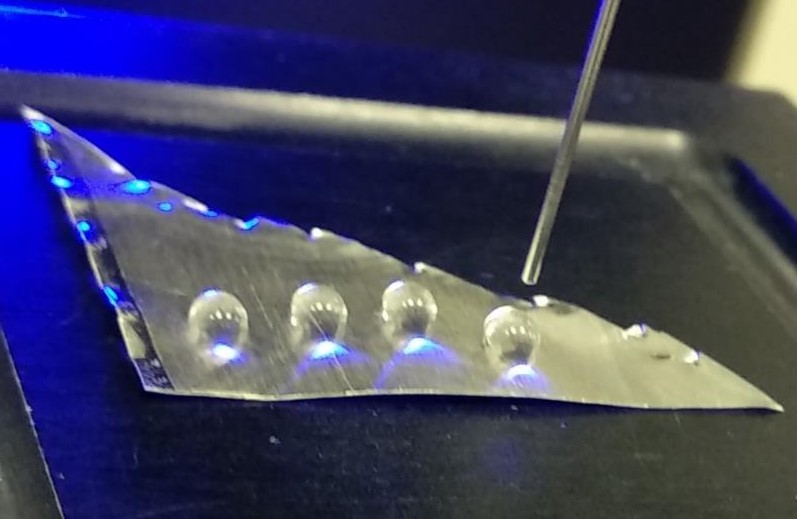
Difference between mechanical adhesion and chemical adhesion
When analyzing surface activation and the basic principles behind it, it is necessary to consider the possible mechanisms involved in the interaction between the material surface and the coating. Among these, mechanical adhesion and chemical adhesion are particularly important.
- Mechanical adhesion is defined as the physical anchoring of the coating to the surface. As the roughness of a material’s surface increases, coatings can penetrate the surface irregularities and become physically anchored. Conversely, when surfaces are smooth, mechanical anchoring can be more difficult. For this reason, processes that increase surface roughness, such as sanding, can be used to create a surface microstructure that promotes mechanical anchoring of the coating.
- Chemical adhesion, on the other hand, is defined by the chemical and molecular interactions that occur between the coating and the substrate. In this case, the chemical composition of both surfaces, surface energy, and the properties of the coating play a fundamental role.
Surface activation is particularly related to the mechanism of chemical adhesion, since it modifies the surface chemistry and introduces functional groups capable of promoting interaction with the coating.
It is important to emphasize that both mechanisms are not mutually exclusive. Proper surface preparation can combine an appropriate surface profile with favorable surface chemistry, thereby achieving stronger adhesion.
Surface activation techniques
The selection of technologies for material activation mainly depends on the nature of the substrate, the coating to be applied, and the type of industrial process. Below, we describe the most commonly used surface activation technologies.
Plasma activation
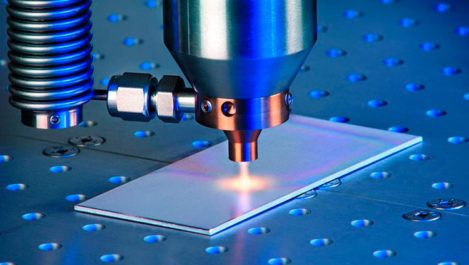
Plasma is one of the most widely used technologies for surface activation. Among other advantages, it allows treatments to be carried out directly on parts without the need to place them in a vacuum chamber, which represents an advantage over other technologies.
During plasma treatment, reactive species are generated that interact with the material surface, removing contaminants and modifying its surface composition.
This treatment increases surface energy and improves coating wettability, allowing the coating to spread and wet the part correctly. As a result, interactions between the substrate and the coating are promoted, increasing adhesion and bond durability. The reactive species generated in the plasma interact with the surface.
Atmospheric plasma treatment can be applied to a wide variety of materials, including metals, glass, paper, cardboard, polymers, and composite materials.
Flame activation
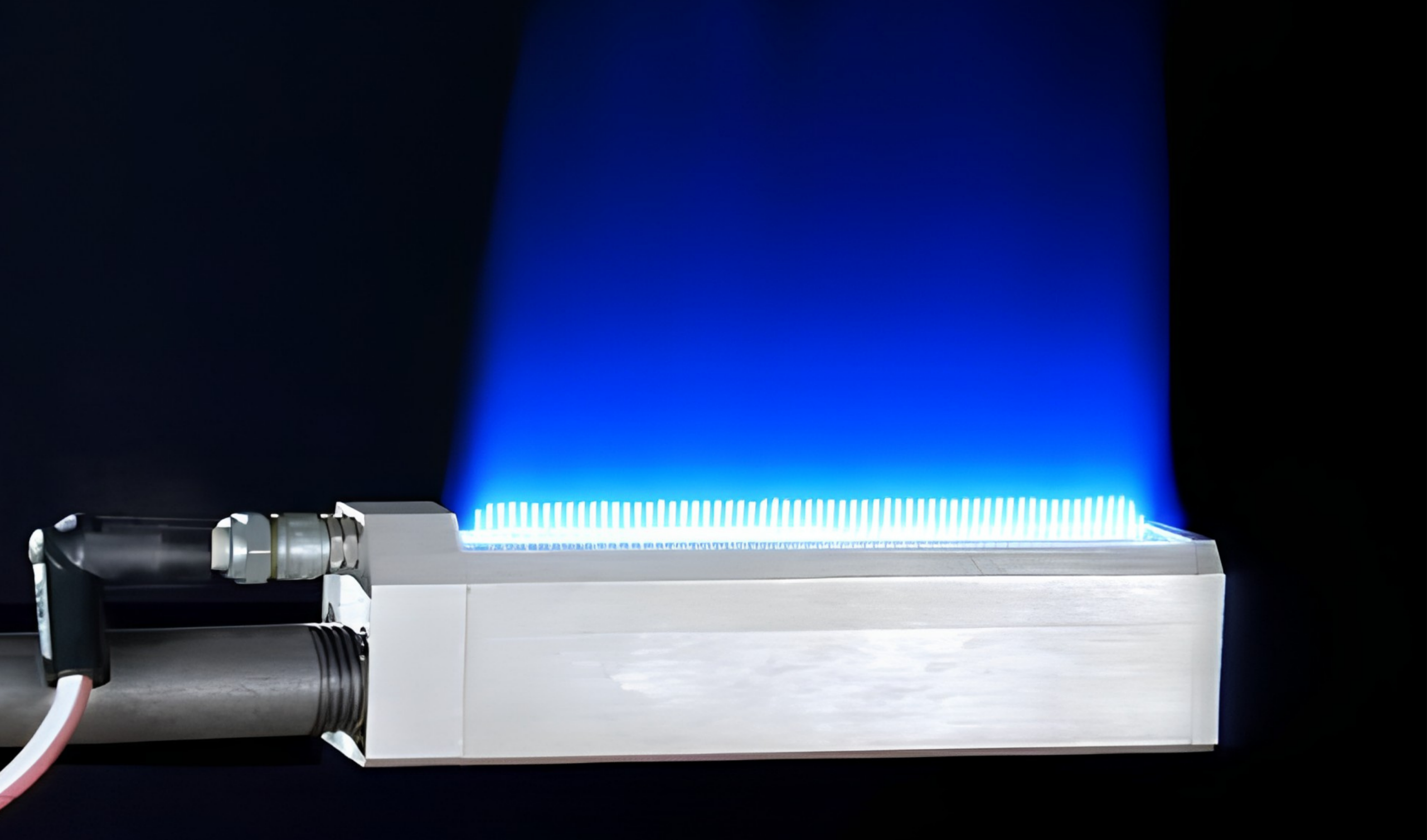
Flame activation is based on using a heat source to modify the surface of a material. In addition to the thermal effect, it can be combined with specific precursors that produce chemical reactions capable of removing contaminants and activating functional groups on the surface.
This technology is characterized by its ability to be implemented in continuous industrial processes. It is commonly used to improve the adhesion of paints, coatings, or adhesives.
Chemical activation
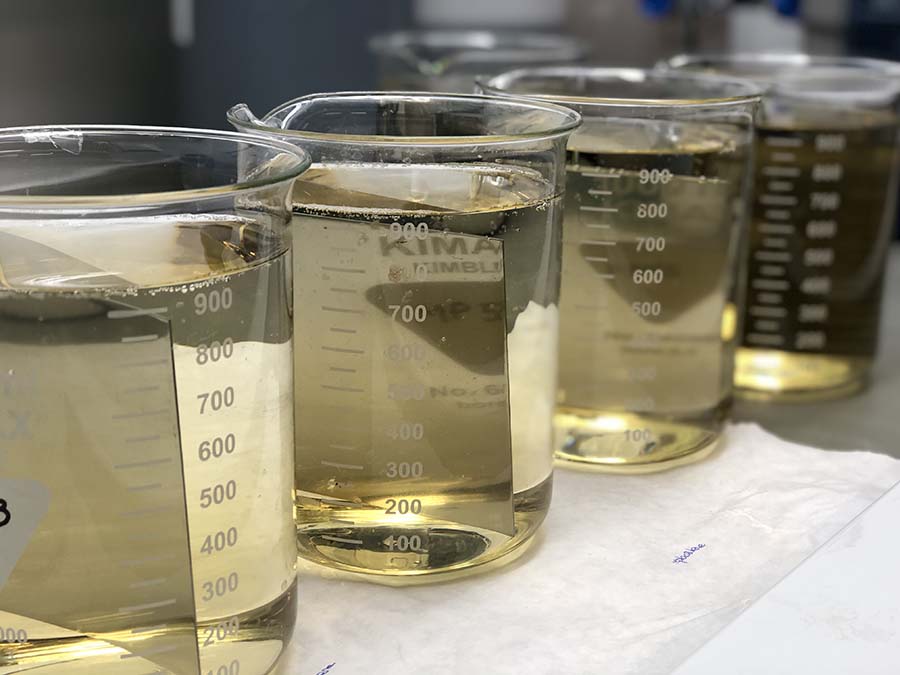
Chemical activation consists of using substances that react with the surface chemistry or modify its characteristics.
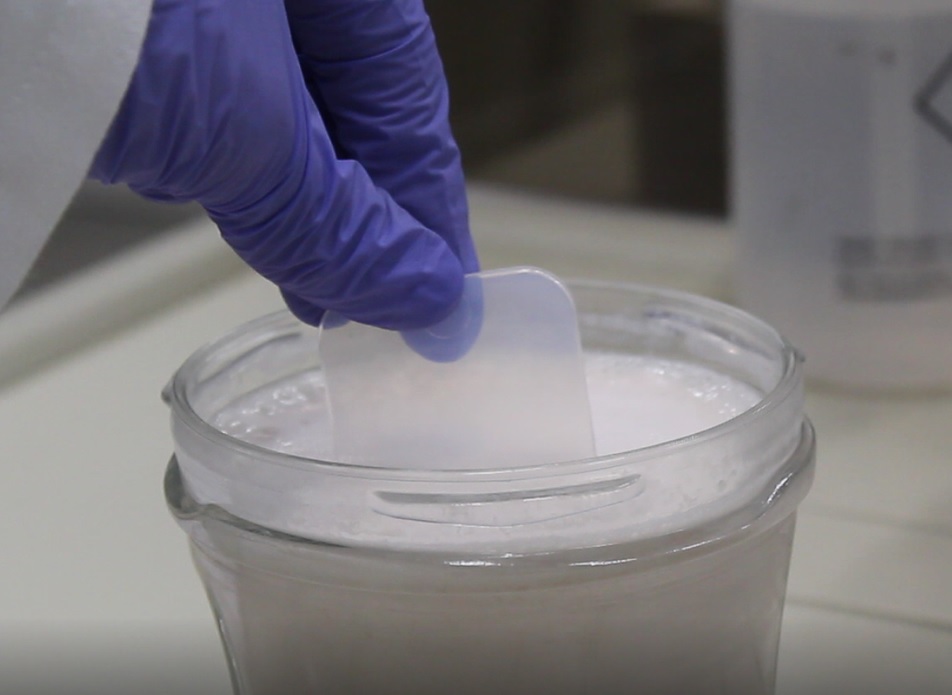
This type of activation stands out for the versatility of the available options, which can be adapted to the industrial process. Depending on the process, the treatment can be carried out by immersion, spraying, or other application methods. Chemical agents can modify the surface composition, introduce functional groups, or remove contaminants.
The treatment must be selected taking into account both the material and the subsequent coating, since a chemical modification that is suitable for one application may not be the most appropriate for another.
Applications of surface activation
Surface activation has applications in numerous industrial processes where establishing a proper bond between the surface and the substrate is essential.
One of the most common applications is the painting and coating of plastic parts. Many polymers have relatively low surface energy, which makes it difficult for paints to spread correctly and achieve sufficient adhesion. Through surface activation processes, functional groups with greater surface activity are generated, increasing surface wettability.
Another common application is found in processes involving bonding, marking, printing, and varnishing. For example, if plasma activation is implemented, the treatment can improve wettability and promote the adhesion of glues, inks, paints, and varnishes. It can also provide final cleaning of organic contaminants present on the surface. From an industrial perspective, this makes it possible to address quality problems related to inefficient coating adhesion and reduce the need to use certain intermediate agents or additional chemical treatments in some applications.
Surface activation can also be used to provide new functionalities. Plasma-based technologies can, for example, deposit thin films onto different substrates by introducing chemical precursors into the plasma.
Adhesion testing
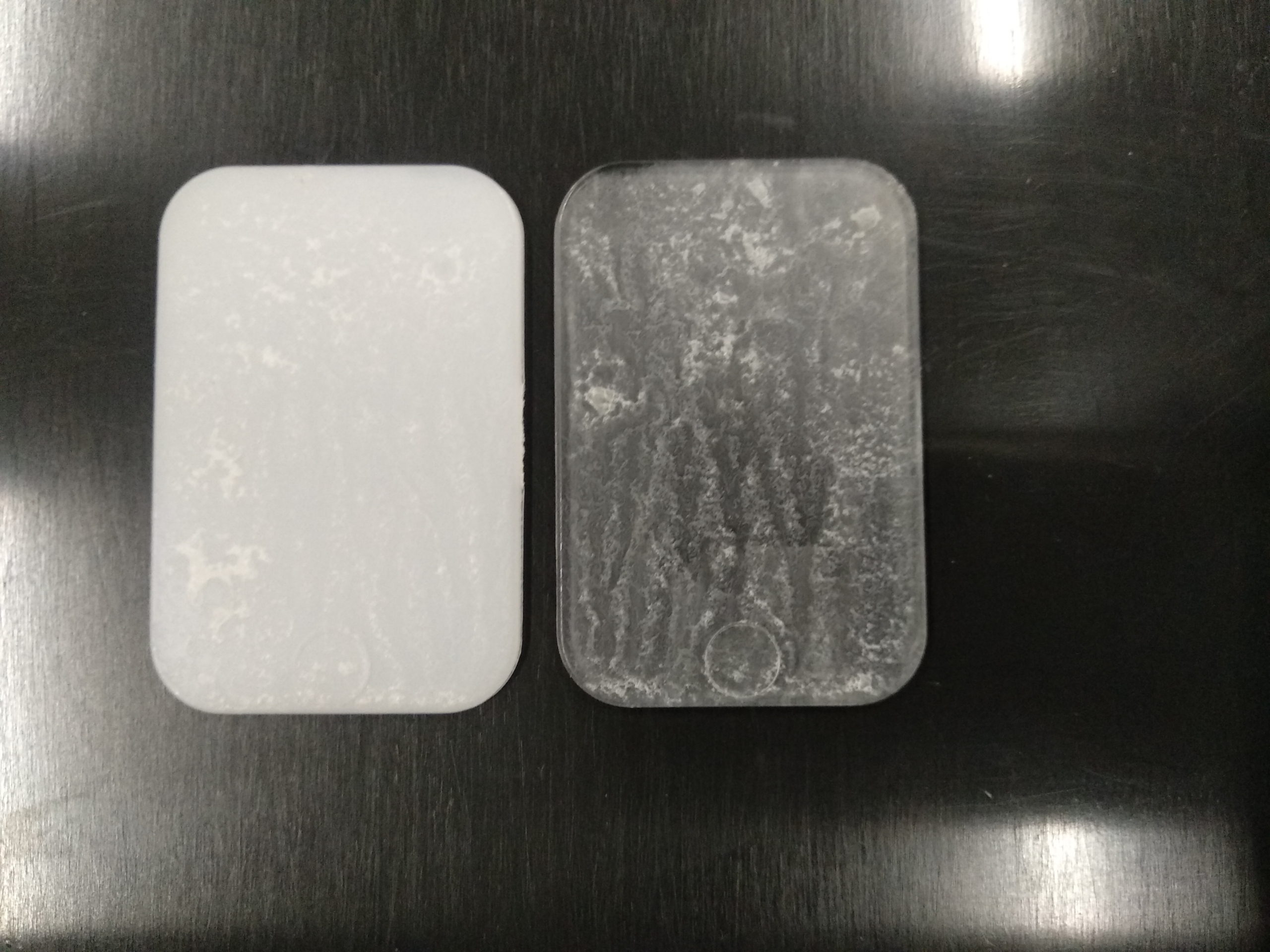
Surface activation must be evaluated using tests that determine whether the treatment has actually improved the bond between the coating and the substrate.
Adhesion tests make it possible to study the ability of a coating or adhesive to remain bonded to the substrate under specific stress conditions. The choice of test depends on the type of bond and the application.
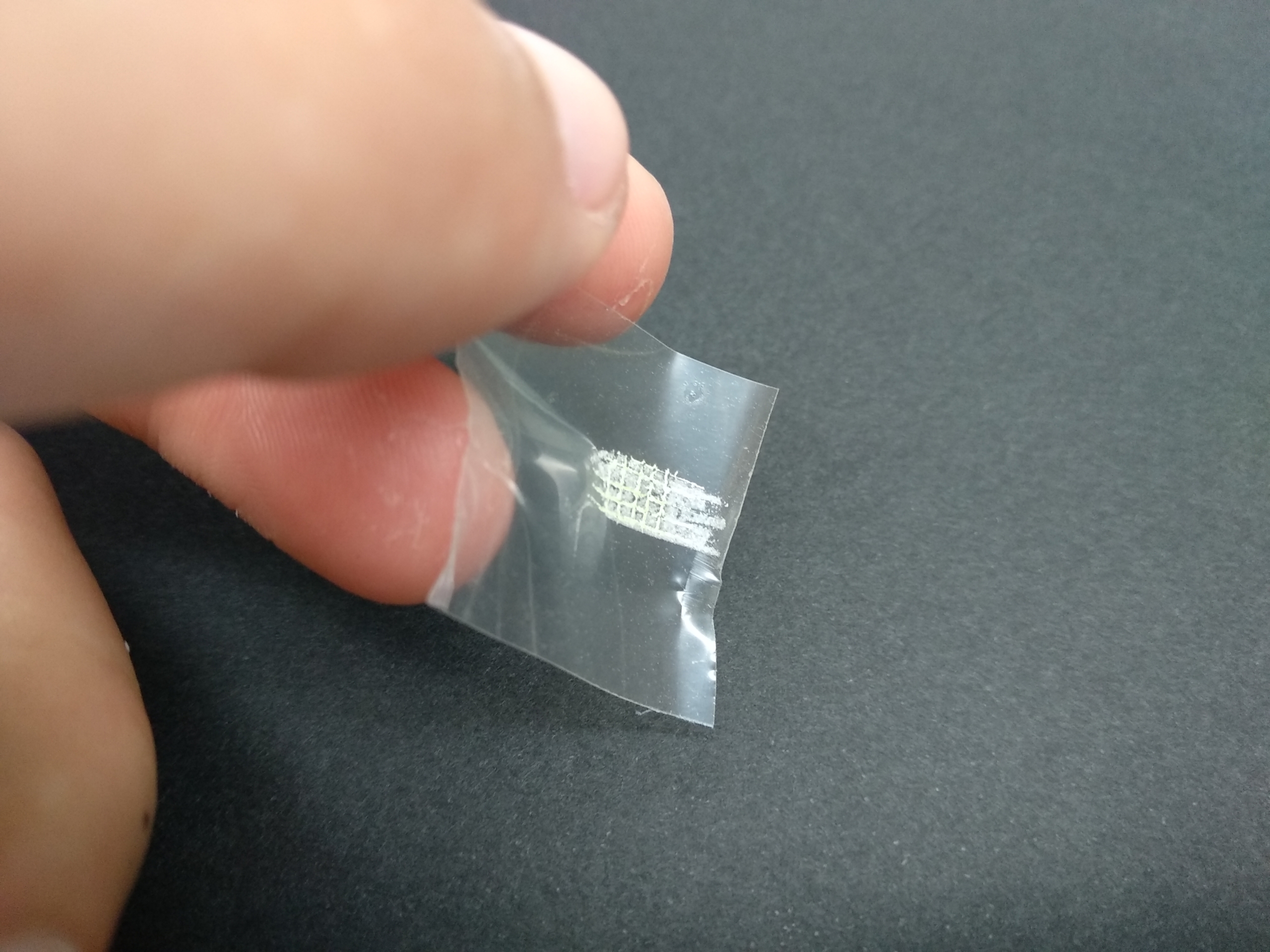
Among the most common tests is the cross-cut test. In this method, cuts are made through the coating to form a grid, after which the amount of material that detaches is evaluated. It is a simple and widely used test for checking coating adhesion.
Another method is the pull-off test, in which a force is applied perpendicular to the surface until the coating detaches. This method provides a quantitative value for the force required to cause separation.
There are also peel, shear, and scratch tests, each of which is suitable for different types of materials and applications.
In addition to measuring final adhesion, it is recommended to characterize the surface before and after activation. Parameters such as surface energy or contact angle can provide information about the changes produced by the treatment.
Surface activation of polymers
Polymers are one of the groups of materials for which surface activation can provide significant advantages. Although plastics offer excellent properties such as low weight, chemical resistance, insulation, and ease of processing, some have low surface energy, which makes the adhesion of paints, inks, and adhesives difficult.
Materials that may present this type of difficulty include polymers such as polypropylene, polyethylene, polycarbonate, and PVC, among others. Atmospheric plasma treatment can be used on these types of materials to increase their wettability and subsequently promote adhesion with coatings.
Activation can modify the surface through the incorporation or modification of functional groups. As a result, a surface that was initially poorly reactive can acquire characteristics that are more favorable for coating.
In polymer applications, it is particularly important to control the experimental parameters of the process. Insufficient treatment may fail to produce the necessary increase in adhesion, while excessive treatment may unnecessarily alter the surface. Therefore, process parameters must be optimized according to the material and the specific application.
How does surface activation solve poor adhesion?
When an adhesion problem occurs, surface activation makes it possible to act directly on one of the most common causes: the characteristics of the interface between the material and the coating.
A contaminated surface can prevent proper contact between the two materials. In these cases, a technology such as plasma can remove very thin layers of organic contaminants or hydrocarbons.
On the other hand, when the problem is related to low surface energy, activation can increase wettability. Improved wettability allows the coating to make more effective contact with the surface.
Finally, when it is necessary to promote chemical interaction, certain technologies can modify the composition of the surface layer and introduce functional groups that improve compatibility with the coating.
Therefore, when faced with a poor adhesion problem, the solution is not simply to apply a larger amount of coating. It is necessary to understand what is happening at the interface and determine whether the problem originates from contamination, low surface energy, substrate chemistry, mechanical preparation, or incompatibility between materials.
Conclusion
Surface activation is a fundamental tool for improving the adhesion of paints, inks, adhesives, and coatings to different materials.
Its main advantage is that it acts on the material’s surface, modifying properties such as surface energy, wettability, cleanliness, or surface chemistry, without significantly altering the material as a whole.
Technologies such as plasma, flame, or chemical treatments make it possible to adapt the surface to the specific requirements of each application. The appropriate technology must be selected by considering the material, coating, production process, and final product requirements.
Combining proper surface preparation with characterization methods and adhesion tests makes it possible to develop more reliable processes and reduce quality problems associated with coating detachment.
Ultimately, when a coating fails to achieve sufficient adhesion, the problem may lie within the interface itself. Properly activating the surface makes it possible to transform this interface and create the conditions necessary to achieve a more stable, reliable, and durable bond.
An appropriate strategy can combine surface characterization, activation, coating application, and subsequent adhesion testing. In this way, it is possible to establish a reproducible process adapted to the needs of each application.
Do you need to implement surface activation processes in one of your projects? Contact us!