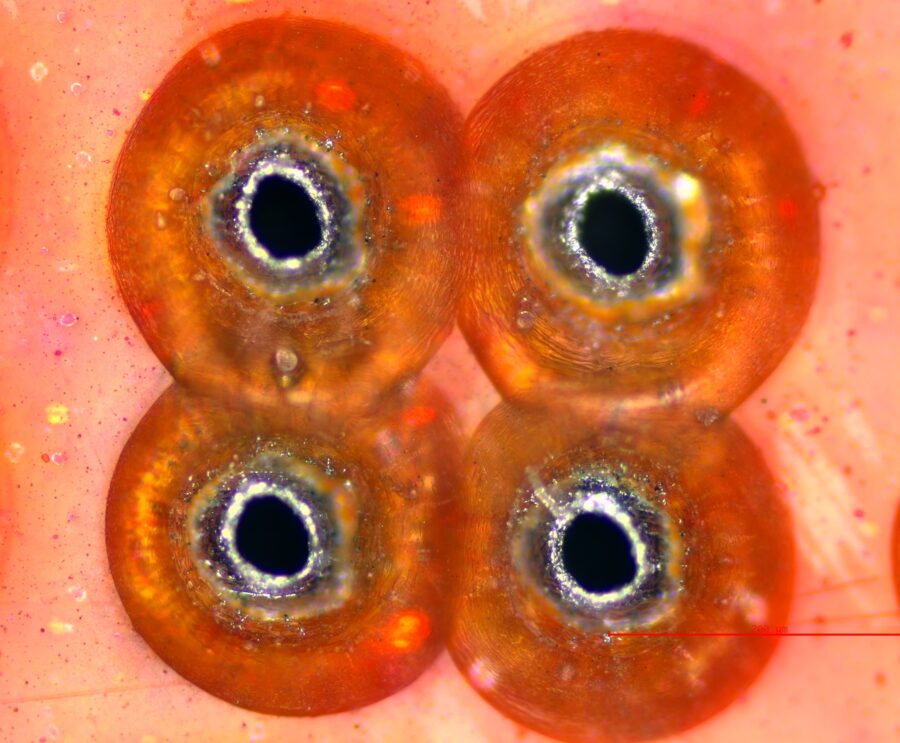
In everyday life, we encounter countless ways of creating perforations, with such a wide range of applications that it is difficult to summarize them all. If we want to make small holes in fabric, we use a sewing needle; if we want to make a large hole in the ground, we use a shovel; but what do we do if we want to create a hole thinner than a human hair? The answer is laser microperforation of films and plastics.
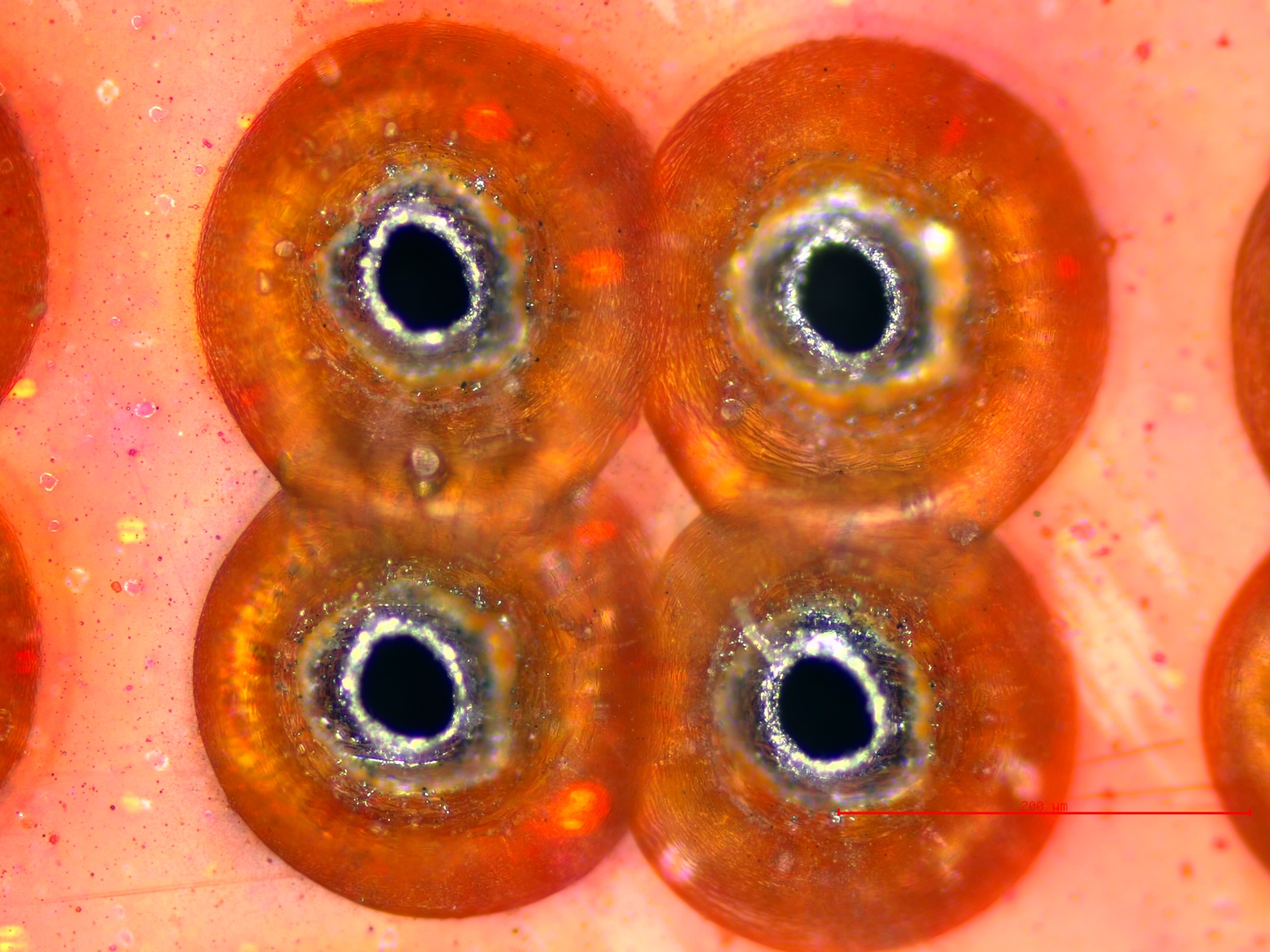
What is microperforation and how does it differ from conventional perforation?
Both conventional perforation and microperforation share the same basic purpose: creating a hole in a given material. However, the way this is achieved is very different:
- In the case of conventional perforation, a physical object is usually used to penetrate another object and create a hole. This can be seen in needles used for injections, hydraulic hammers used during road construction, or arrows launched by athletes in the Olympic Games.
- In the case of laser microperforation, light is used to create the holes, meaning that there is no physical contact between the device producing the hole and the material being perforated. This is because lasers work by concentrating light (and therefore energy) into a very small point in space, reaching energy levels high enough to even vaporize metal and ceramic in milliseconds.
Types of films and plastics that can be microperforated
If laser microperforation can vaporize metals and ceramics, which have high melting and boiling points above 1,000 °C, films and plastics can be perforated much more easily, as their melting and degradation temperatures are generally below 500 °C.
Below are some of the most common types of films and plastics that can be microperforated, depending on the following factors:
Film type:
- Plastic: these materials require little energy to be perforated, meaning they can be microperforated using low-power lasers while achieving high microperforation speeds.
- Metal: these materials require a significant amount of energy to be perforated, meaning that higher-power lasers are generally required, resulting in slower microperforation speeds than with plastic films.
Number of layers:
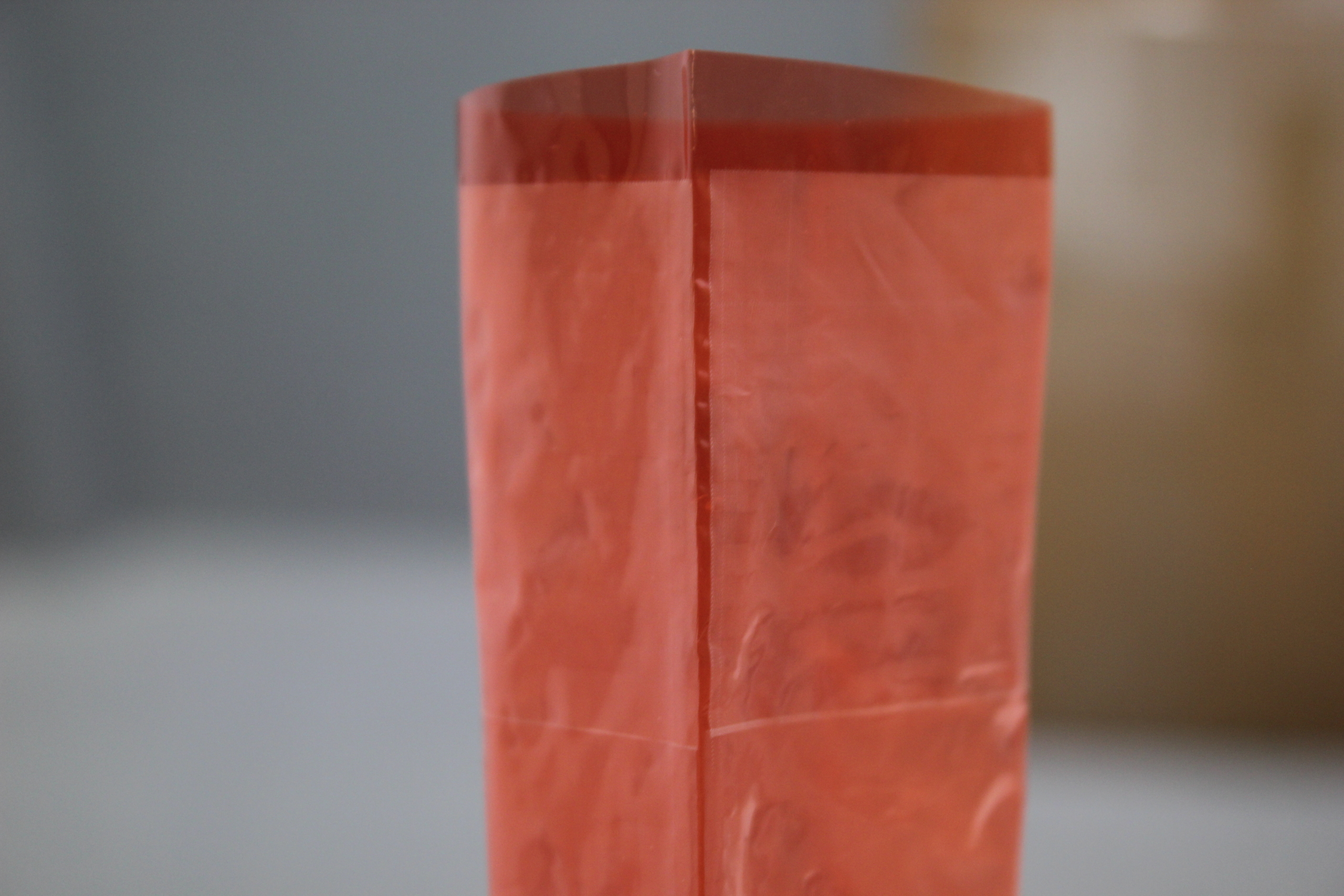
- Monolayer film: this consists of a single layer of a specific plastic or metal. Since the entire film is made of the same material and has the same properties throughout, it allows the microperforation process to be controlled more uniformly.
- Multilayer film: this consists of two or more layers of different plastics and may also include thin layers of metals such as aluminum. Since it contains different materials with different physical and thermal properties, achieving uniform and controlled microperforation is more complex.
Film microperforation for containers and packaging
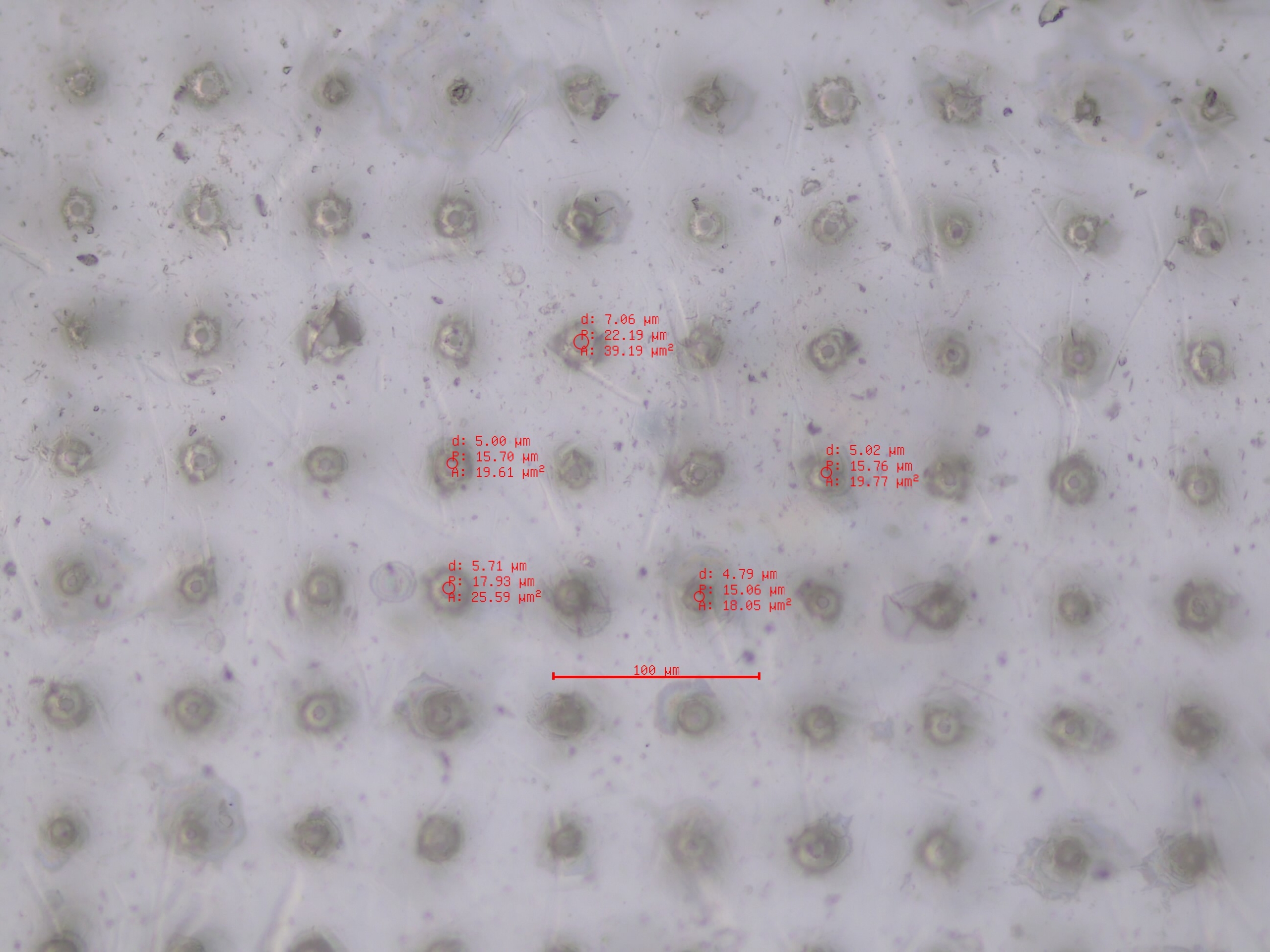
Microperforation, due to its hole sizes of less than 1 mm, is not easily visible, but it is used every day in containers and packaging.
Many easy-open features found in food products are created using microperforation, weakening the material and creating a line of points along which the packaging can break more easily, making it easier to open.
Other common applications of microperforation include controlling the atmosphere of fresh products and preventing packaging from being completely airtight when it contains products that may generate gases.
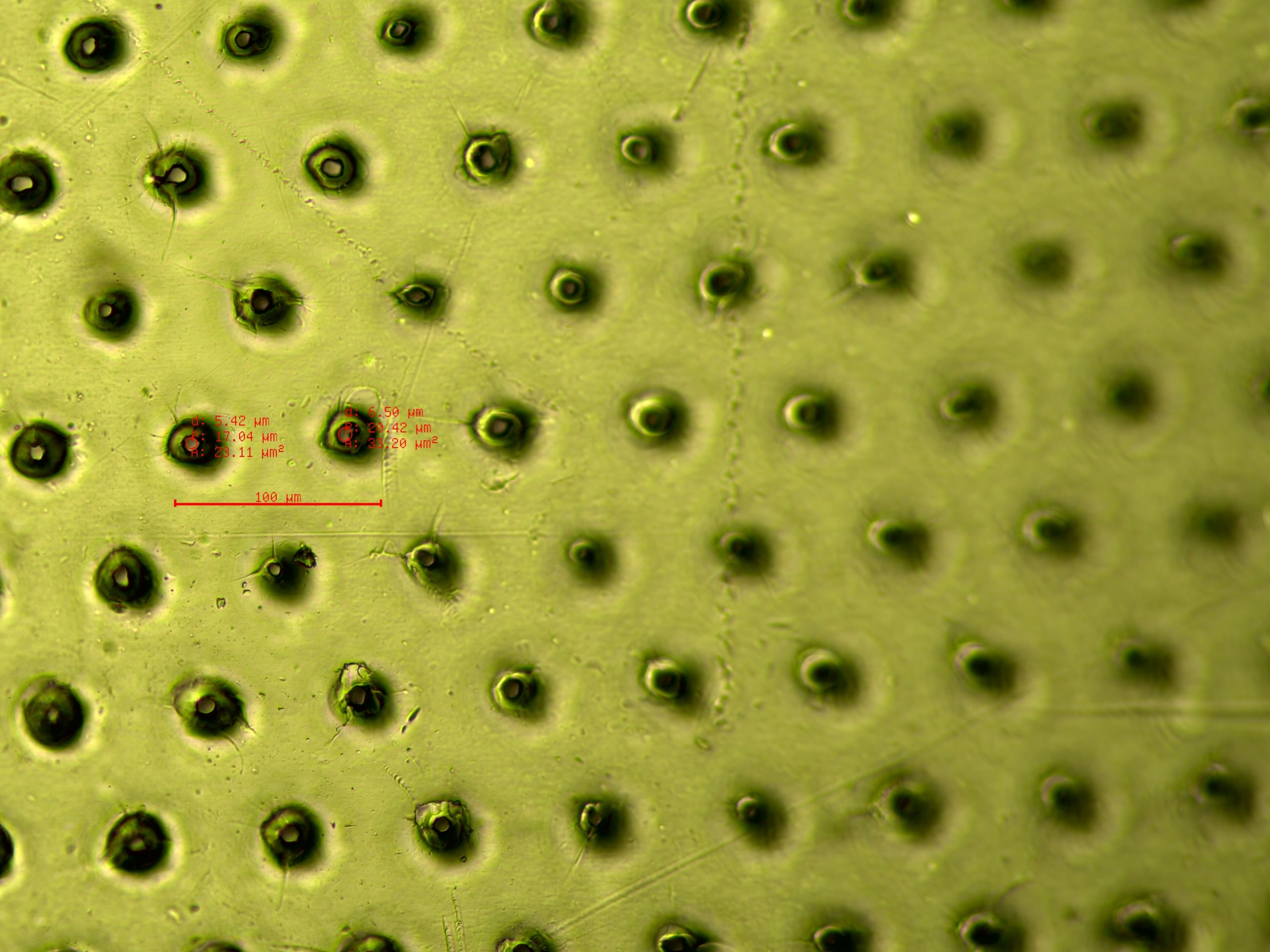
Food packaging and modified atmosphere packaging (MAP): control of gas exchange (O₂ / CO₂) and moisture to extend the shelf life of fresh products
The process by which microperforated packaging keeps fruits and vegetables fresh is based on the creation of a Passive Modified Atmosphere (PMA or MAP, for its acronym in English), which precisely balances the respiration of the produce with gas exchange through the plastic.
Unlike many other foods, fruits and vegetables remain alive and continue to respire after harvesting. As a result, they consume oxygen (O₂) and produce carbon dioxide (CO₂) and water vapor. If they are stored in completely sealed bags, oxygen is rapidly depleted, causing excess carbon dioxide to promote anaerobic fermentation and spoil the food; on the other hand, if the bags are left open, the produce can become dehydrated and wilt.
By creating microperforations in food packaging, the respiration of the produce can be controlled, slowing down its deterioration without suffocating it, by allowing a controlled inflow of oxygen and outflow of carbon dioxide. In addition, the perforations allow the water vapor generated by the produce to escape, removing excess moisture and helping to prevent the growth of bacteria and fungi.
Microwave containers (steam release valve)
Another common application of microperforation in food packaging is its use in microwave containers.
Microwave heating causes the water molecules inside food to heat up very quickly. As the water turns into vapor, the pressure inside the container increases rapidly. This is where microperforations play a crucial role, allowing excess steam to escape from the container and preventing pressure from reaching dangerous levels, while allowing the food to heat quickly and evenly.
Industrial, medical and technical packaging applications
Microperforation of plastics and films is not only used in the food industry; it also has applications in many other industries. Some of the most common applications, depending on the industry, include the following:
- Industrial applications: there is a wide and diverse range of industrial applications, from light or sound emitters that are invisible to the naked eye to safety features designed to handle significant pressure increases, allowing equipment to operate correctly at higher-than-usual pressures.
- Medical applications: microperforation is particularly useful for calibrating and testing leak-measurement equipment, as it allows extremely small and controlled holes — and therefore controlled leaks — to be created. It also has many applications in controlled and automatic drug microdosing devices, since the number and diameter of the holes determine the amount of liquid that can pass through the packaging over time.
- Technical packaging: certain types of packaging require special properties, such as the ability to act as a gas-release valve during material storage, or gas permeability while preventing the passage of solids and liquids, allowing specific odors to be applied to the contents.
Microperforation and ventilation control
One of the key advantages of microperforation in plastics and packaging is the level of control it provides over the ventilation of containers, allowing the following aspects to be controlled:
- Preventing container failure due to increased internal pressure, whether caused by the rapid generation of water vapor in a microwave or by gases generated through the fermentation of certain compounds over time.
- Air exchange and renewal inside the container, allowing oxygen to enter and carbon dioxide and moisture to escape.
- Odor exchange, through the controlled evaporation of fragrances contained within the packaging, which can pass through the microperforations in gaseous form.
Advantages of plastic and film microperforation
Some of the most important advantages achieved through the microperforation of plastic and film, compared with packaging without microperforations, include:
- Longer-lasting fresh products.
- Reduction of food cooking times by more than 50%.
- Prevention of the growth of bacteria, fungi and unpleasant odors.
- Exchange of pleasant odors between the inside and outside of the packaging.
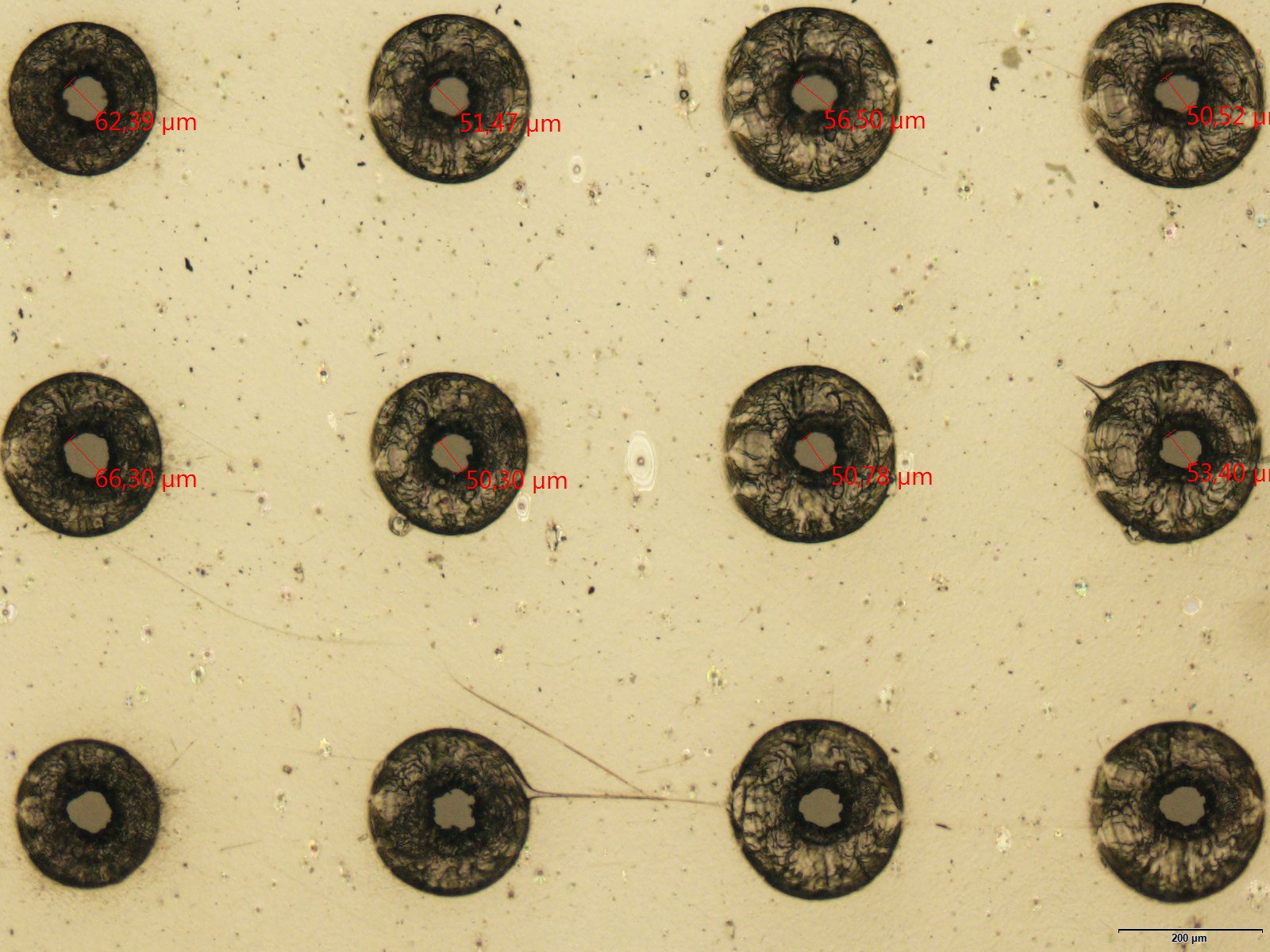
How to choose the most suitable type of microperforation
Depending on the intended final application, one type of microperforation or another should be used. The following are some of the most important factors to consider when selecting the most suitable type of microperforation:
- Microperforated hole diameter: this is one of the most important parameters, as it determines the type of particle that can pass through the packaging.
- Number of microperforated holes: this is also very important, as it determines, together with the hole diameter, the quantity and flow rate of particles that can pass through the packaging.
- Microperforated hole arrangement: this factor is often overlooked, but it determines whether the desired functionality is achieved uniformly throughout the contents of the packaging and whether the desired result can be achieved correctly.
Do you need to implement film and plastic microperforation processes for any of your projects? Contact us!