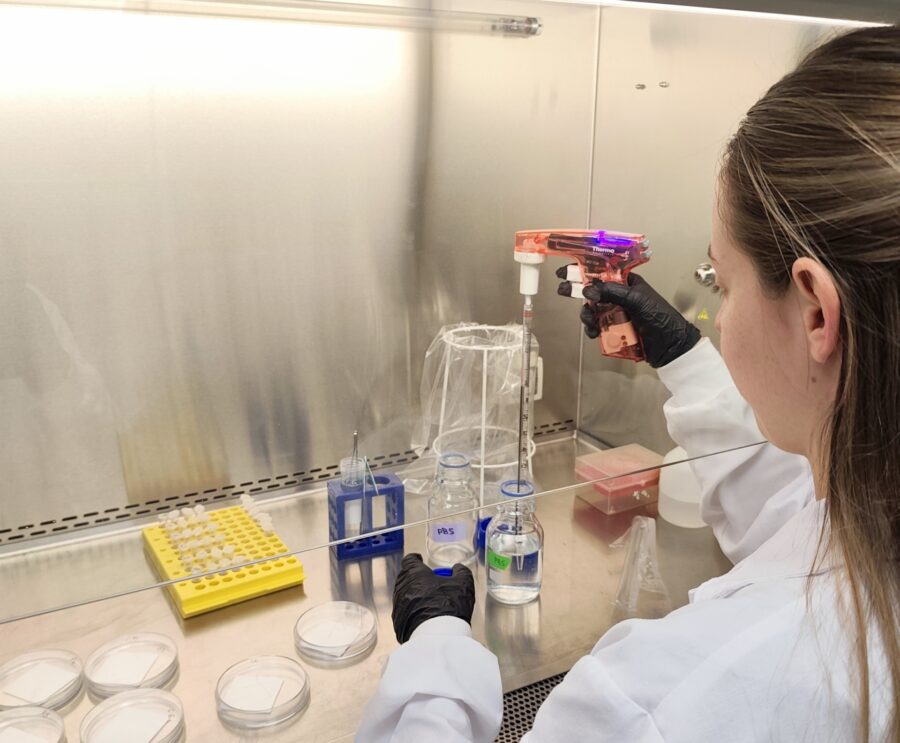
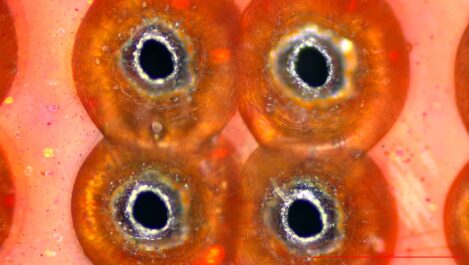
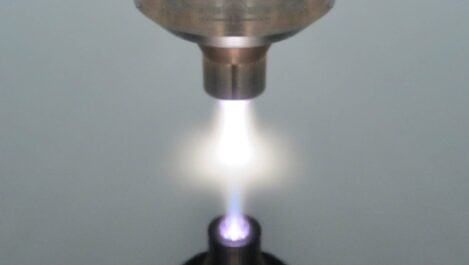
Bactericide efficacy tests are a fundamental tool for evaluating the effectiveness of antimicrobial products across different sectors, from the pharmaceutical industry to the food and healthcare industries. These studies make it possible to determine the ability of a substance to eliminate microorganisms, thereby ensuring product safety and quality.
Nowadays, the emergence of bacterial resistance represents an increasing challenge, making the proper validation of these tests even more relevant. To address this issue, international regulations and standards establish precise and reproducible methodologies. These include regulations developed by organizations such as ISO, EN, and national regulatory agencies. These guidelines ensure that results are comparable and reliable worldwide. In addition, compliance with these standards is essential for the approval and commercialization of disinfectant and antiseptic products.
In this blog, we will explore the fundamentals of bactericidal testing and the regulatory framework that supports it. We will also analyze its practical applications in different sectors. The aim is to provide a clear and up-to-date overview of a key topic in applied microbiology.
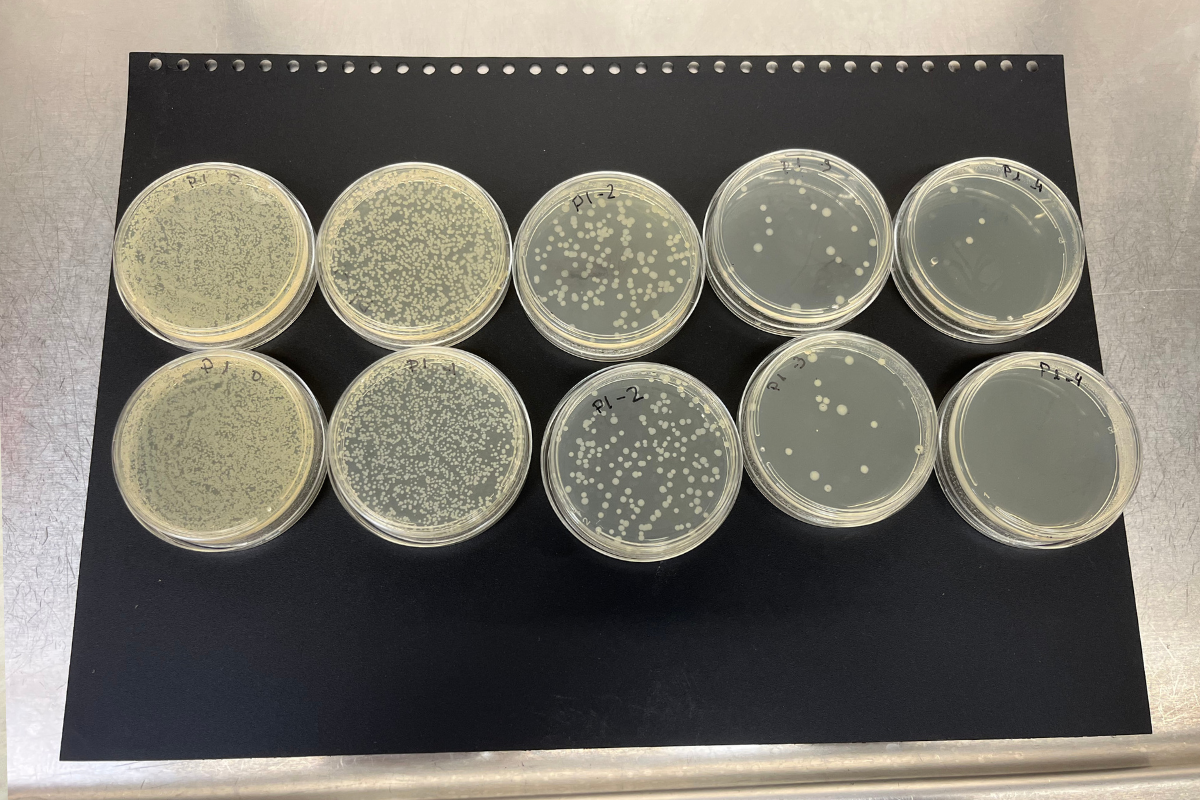
How does bactericide efficacy testing work and what is it used for?
First, it is important to clearly distinguish between bactericidal activity and bacteriostatic activity. The bactericidal activity of a material is defined as its ability to eradicate bacteria. In contrast, bacteriostatic activity refers to the ability of a material to inhibit bacterial growth.
Next, we will explain in greater detail the current regulations governing these tests, the types of bacteria studied, and their possible applications.
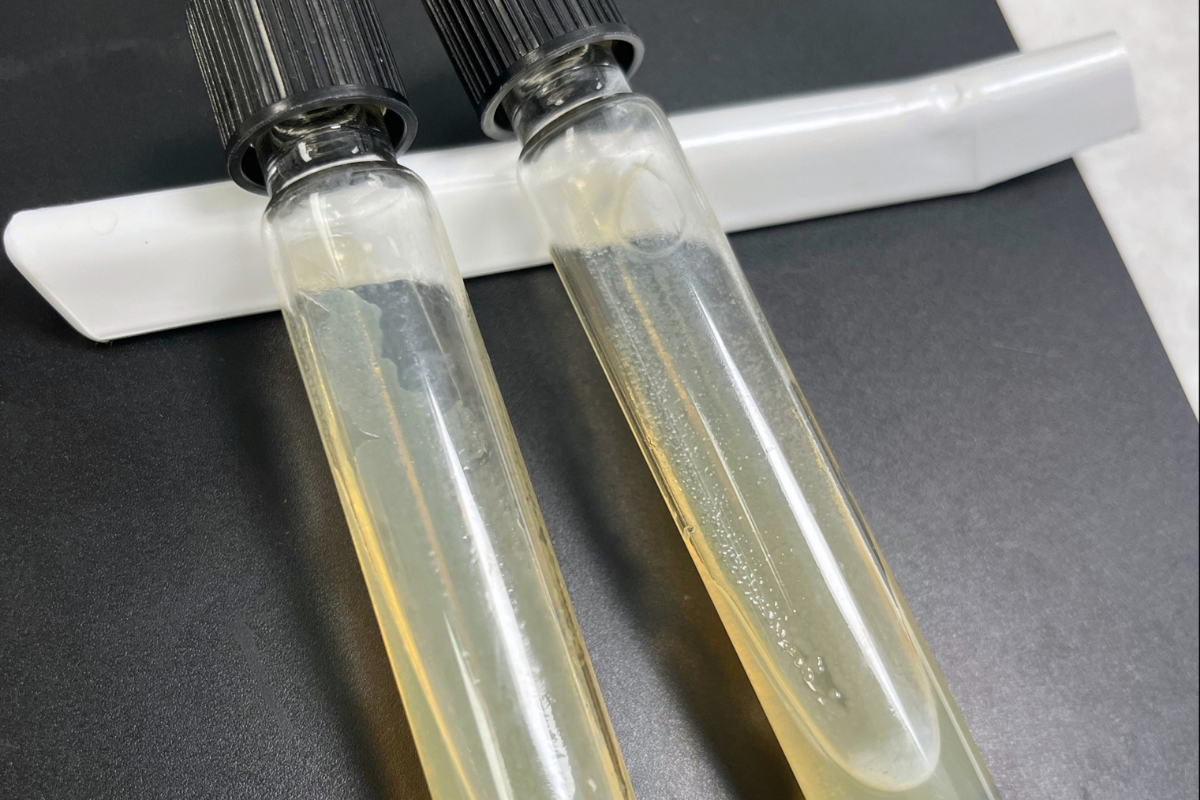
Current regulations on antibacterial activity testing
The regulatory framework governing antibacterial activity testing is, quite literally, a “living” concept, as it is constantly updated to ensure reliable, reproducible, and internationally comparable results.
In Europe, UNE-EN standards are a key reference, particularly in the field of chemical disinfectants and biocides. One of the most relevant standards is UNE-EN 13697:2024, which establishes a quantitative method for evaluating bactericidal activity on non-porous surfaces without mechanical action and is widely used in food, industrial, and healthcare sectors.
Another essential standard is UNE-EN 1276:2020, which defines suspension tests to determine the bactericidal activity of antiseptics and disinfectants under controlled conditions, representing one of the basic tests in the initial evaluation phase. These standards are structured into different phases (Phase 1, Phase 2/Step 1, and Step 2), allowing assessment under conditions ranging from ideal laboratory settings to situations closer to the product’s actual use.
At the international level, the International Organization for Standardization (ISO) also plays a central role in the standardization of these tests. For example, ISO 22196 is used to measure antibacterial activity on plastic surfaces and other non-porous materials by evaluating the reduction of bacteria such as Staphylococcus aureus and Escherichia coli after a defined contact period.
For textile products, ISO 20743 establishes specific methods for determining antibacterial activity in treated fabrics, including different inoculation and microbiological quantification techniques. These methodologies allow testing procedures to be adapted according to material characteristics and the intended final application.
Furthermore, current standards are often linked to regulatory requirements for the commercialization of biocidal products, such as those established by national health authorities. In Spain, for example, it is mandatory to provide testing data in accordance with specific UNE-EN standards to demonstrate the bactericidal efficacy of a product before registration.
Types of bacteria studied in antibacterial testing
In antibacterial activity testing, the selection of bacterial strains is not random but is based on scientific, regulatory, and practical considerations. Representative microorganisms are typically selected to evaluate product efficacy against different types of bacteria, particularly those of clinical, environmental, or industrial relevance.
The main reason for using these bacteria lies in their representativeness, reproducibility, and relevance. They are well-characterized microorganisms available from international collections and with well-documented responses to antimicrobial agents.
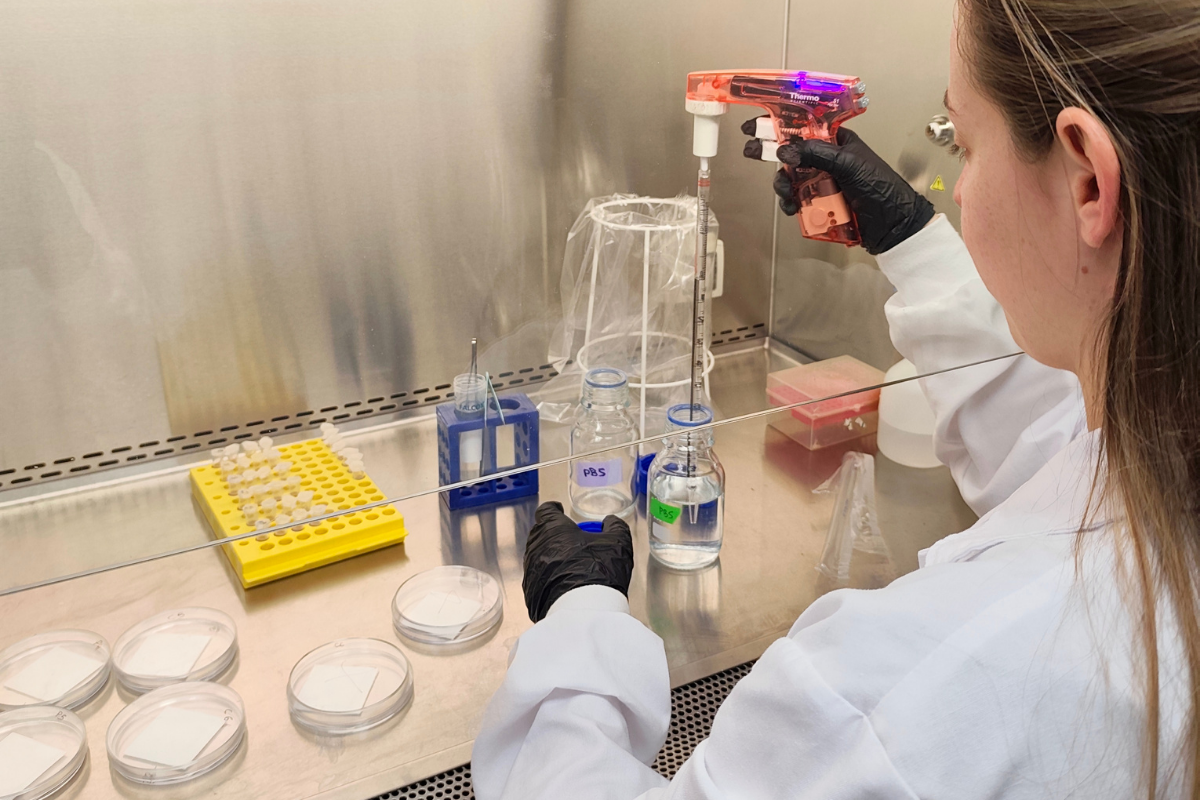
Among the most commonly used is Escherichia coli, a Gram-negative bacterium widely employed as a model organism because of its frequent presence in fecal contamination and its relative sensitivity to disinfectants.
Another key species is Staphylococcus aureus, representative of Gram-positive bacteria and known for its resistance under certain conditions as well as its importance in hospital-acquired infections. Including both organisms makes it possible to assess efficacy against two major bacterial groups with different cell wall structures, which directly influence antimicrobial activity.
It is also common to work with Pseudomonas aeruginosa, a particularly resistant bacterium relevant in hospital and industrial environments, especially in water systems. Its ability to form biofilms and resist disinfectants makes it a useful indicator for evaluating the efficacy of more powerful products.
In some cases, bacteria such as Enterococcus hirae are also included, as they are used in European standards due to their relative resistance and role as standardized test organisms. These strains are often specifically defined in UNE-EN or ISO standards, ensuring comparability of results between laboratories.
Applications of bactericide efficacy testing
Antibacterial activity testing is not limited to conventional disinfectant products but extends to a wide range of materials and industrial sectors. The versatility of these tests allows their application in multiple contexts, contributing to the development of safer, more hygienic materials tailored to current public health demands and technological innovation.
In the healthcare field, for example, surfaces of medical devices such as catheters, prostheses, and surgical instruments are evaluated, where infection prevention is critical. Antimicrobial coatings applied to hospital surfaces are also assessed with the aim of reducing bacterial load in high-risk environments.
In the food industry, these tests are used to validate materials that come into contact with food, such as packaging, plastic films, or processing surfaces, ensuring that they do not promote bacterial growth. In this context, materials treated with antimicrobial compounds, such as silver nanoparticles, have gained particular interest because of their ability to inhibit microbial growth.
The textile sector is also an important field of application, where antibacterial fabrics used in sportswear, healthcare garments, or everyday clothing are assessed. These materials aim to prevent the proliferation of bacteria responsible for unpleasant odors or potential skin infections. Similarly, in construction and interior design, paints, coatings, and treated surfaces incorporating antimicrobial agents are evaluated to improve environmental hygiene.
Another rapidly growing field involves consumer products such as household utensils, cosmetics, and electronic devices, where antibacterial treatments are applied to improve safety and durability. In all these cases, testing methods are adapted to the specific characteristics of the material, taking into account factors such as porosity, environmental interaction, and real-use conditions.
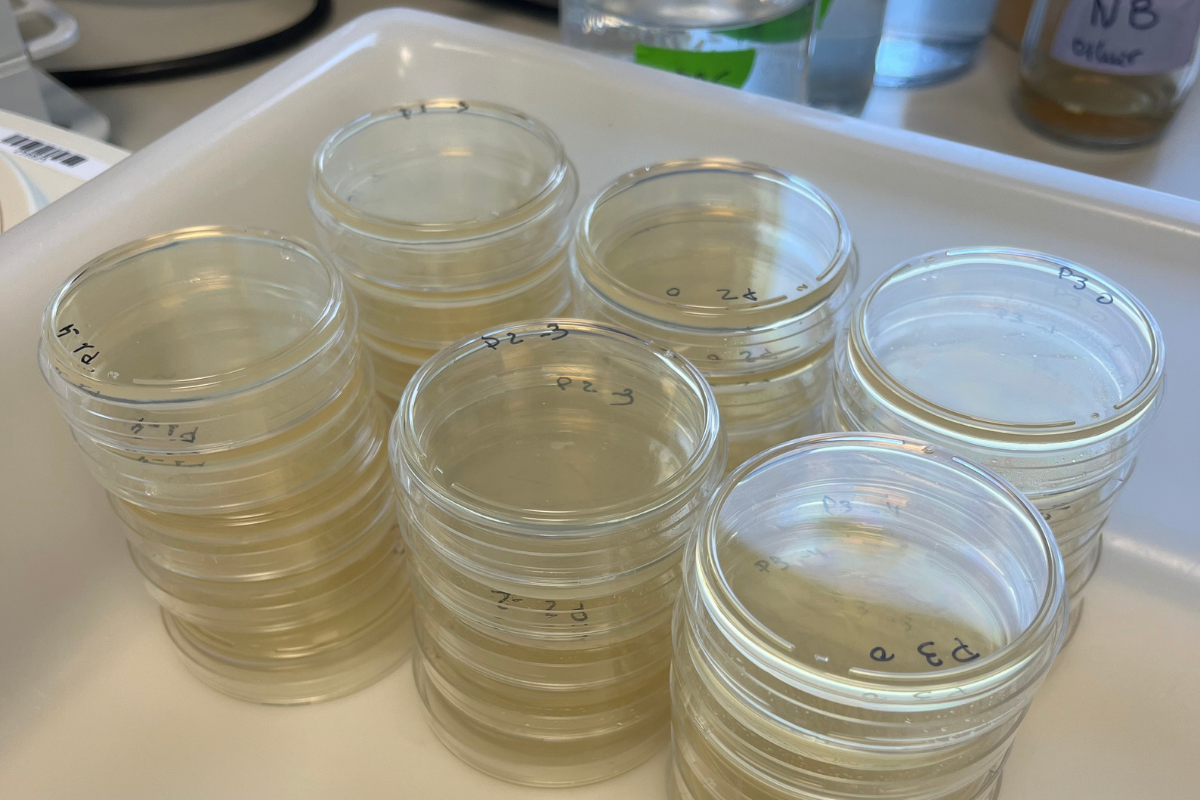
ATRIA bactericide efficacy test services
At ATRIA, we have extensive experience in evaluating the bactericidal efficacy of new materials, covering both studies based on current regulations and more specific projects that require tailored methodologies. This flexibility allows us to adapt to the specific needs of each client and product type.
For each study, we analyze the proposed technical context in detail and review the applicable regulations in order to adapt the experimental design to real-use conditions. For example, when validating a bactericidal paint intended for outdoor use or a material designed for hospital environments, it is essential to consider the specific regulatory requirements of each scenario.
Likewise, for materials still under development and without a defined application, testing can be carried out under general conditions. This approach allows for an initial evaluation of bactericidal efficacy and helps identify potential improvements before the material reaches its final application stage.
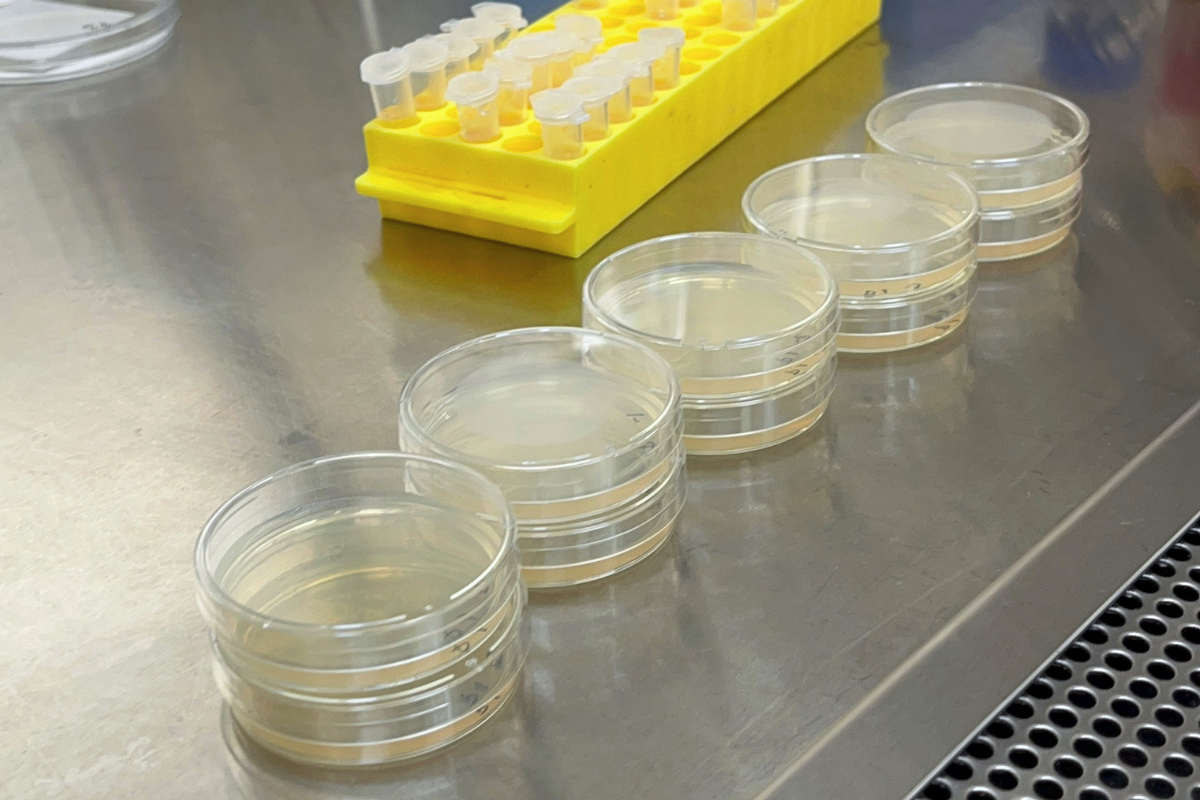
Do you want to perform bactericide efficacy tests on any of your projects? Contact us!