Computer Vision
We develop solutions based on computer vision and deep learning for any industry. We accompany you throughout the process, designing a tailored solution.
We have developed a computer vision and artificial intelligence system to detect defects on vehicle bodywork. Using high-resolution cameras and specialized lighting, we capture images for AI analysis to identify imperfections and ensure the highest quality.

Our client, an automotive manufacturer, was looking to improve its quality control system through automated inspection. Our goal was to reduce errors in the current process and detect even the smallest defects in bodywork that could compromise the aesthetics and durability of the final product.
This project has received public funding under the PERTE VEC call: Financial support for integral actions in the industrial chain of the electric and connected vehicle, which is part of the Strategic Project for Economic Recovery and Transformation in the Electric and Connected Vehicle sector. The total project budget is €529,755, with a granted subsidy of €370,828.

To address this challenge, we developed and implemented an advanced system based on computer vision and deep learning AI techniques to optimize defect detection in vehicle bodywork during the manufacturing process.
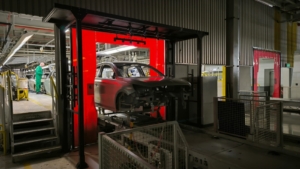
First, we designed an optimized image capture environment with controlled conditions to ensure sharp and uniform images. We installed high-resolution cameras strategically positioned along the production line, complemented by a calibrated lighting system to minimize unwanted reflections and shadows. This setup allowed us to capture detailed images of each vehicle’s surface, ensuring the highest quality visual data acquisition.
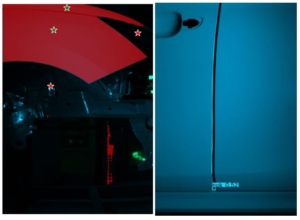
Once the images were captured, we applied digital processing techniques to improve the visual quality of the data before the analysis. This preprocessing is crucial to improve the accuracy of the system and reduce false positives or negatives in defect detection.
The core of our system is a convolutional neural network (CNN), a deep learning model designed specifically for image analysis. For its development, we collected and labeled a large dataset containing thousands of previously identified defect samples. During the training phase, the model learned to recognize characteristic patterns of different types of imperfections. This automatic classification capability allows the system not only to detect anomalies, but also to categorize them with high accuracy.
To ensure the reliability of the system, we carried out a rigorous validation process using thousands of images of bodywork with and without defects. During this phase, we performed extensive testing to ensure accurate detection of imperfections, even those almost imperceptible to the human eye. Through this refinement process, we optimized model performance and minimized error margins.
Finally, we integrated this automated inspection system into the manufacturer’s production line. Each vehicle is now automatically scanned before final approval, allowing any bodywork defects to be detected in real time. This implementation has significantly improved the efficiency of quality control, allowing operators to take immediate corrective action, reducing the number of vehicles requiring rework and optimizing production times.
Additionally, during the project, we developed a visualization interface and a data storage system to enhance traceability and operational efficiency.
In summary, the combination of computer vision and AI with deep learning has resulted in a highly accurate, efficient and scalable inspection system for our client, improving the quality of the final product and optimizing processes in the automotive industry.


Your success is our goal. We want to be your partner in the development of your projects, leveraging the power of innovation, flexibility, and the trust we provide. Together, we make a difference through new technologies.
Contact us and let’s build the future together!
We are a team of experts passionate about industrial innovation, committed to excellence, and the success of our clients.


Subscribe to our newsletter, and we’ll send you all the content that interests you directly to your email.