Computer vision in the food industry has become a key element in addressing today’s challenges related to production, quality, and food safety. In a context marked by the automation and digitalization of industrial processes, this technology makes it possible to optimize critical tasks and improve operational efficiency.
Below, we analyze what this technology consists of and why it is so important for the food sector.
Computer vision in the food industry
Computer vision has gone from being an unfamiliar concept to becoming an essential tool across all industrial sectors. But what exactly is it? It is a technology that combines cameras, sensors, and advanced algorithms to analyze images and extract precise information. Thanks to computer vision, companies can perform tasks such as defect detection, quality inspections, or inventory control with great speed and accuracy.
Why is computer vision so important in the food industry? Because it helps ensure food safety, as it is a contactless technology; it enables the detection of details imperceptible to the human eye; and it helps reduce operating costs for companies in the food sector. These aspects make computer vision in the food industry an indispensable solution.
Main applications of computer vision in the food industry
The integration of computer vision in the food industry has led to innovative applications and developments that are transforming the way food is produced and processed. Some examples include:
- Quality inspection: Ensuring product quality is essential for any food company. In this case, computer vision makes it possible to evaluate parameters such as size, shape, texture, or color in order to detect anomalies or defects. For example, it can detect whether a product is underbaked or burned.
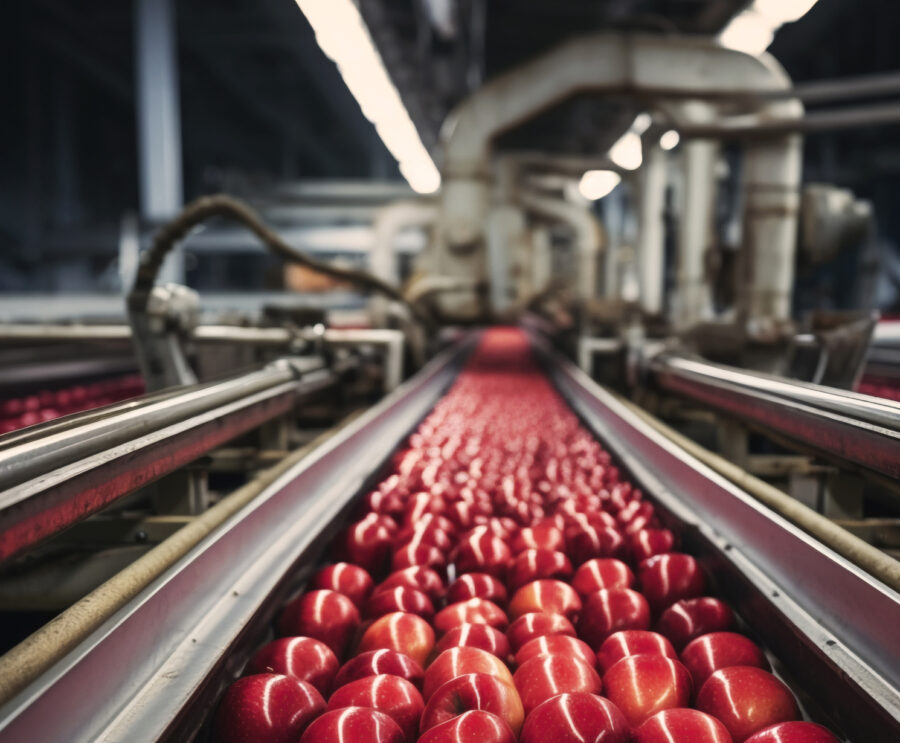
- Product sorting and selection: Precision and speed are essential on production lines. Computer vision systems in the food industry can classify food products in just a few milliseconds, separating ripe products from unripe ones or removing defective items.
- Packaging and labeling control: On the production line, it is important that at the end of the process the product is properly packaged and labeled. With computer vision, packaging integrity is verified, labels are checked for legibility, and compliance with regulations is ensured. By using computer vision in the food industry, product traceability is guaranteed and costly errors are avoided.
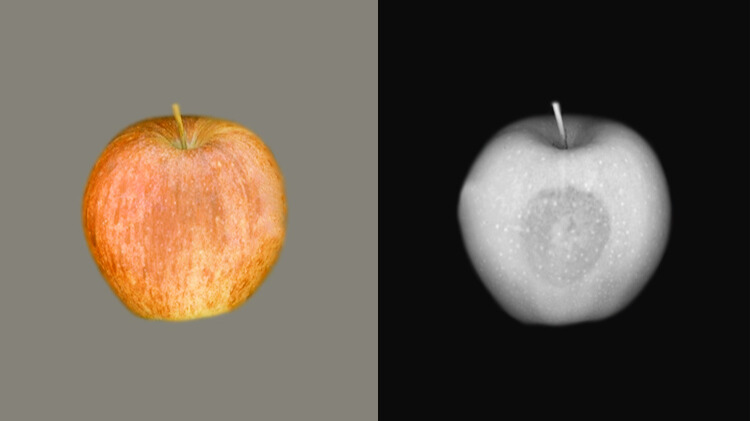
- Food safety: Computer vision plays a major role in food safety by detecting contaminants or irregularities such as metal or plastic. This technology enables real-time inspection of products, ensuring that only safe food reaches consumers and complies with health regulations.
Benefits of computer vision in the food industry
Computer vision in the food industry outperforms traditional methods in every respect. Some of its main benefits include:
- Speed and efficiency: Computer vision makes it possible to speed up tasks that, if performed manually, would require much more effort and time. Food products can be inspected and classified within milliseconds thanks to the use of cameras and, above all, without the need to stop the conveyor belt or production line.
- Reduction of human error: Manual visual inspections are prone to errors due to distractions, fatigue, or individual perception. With computer vision, these risks are reduced, as inspection processes are automated with consistent precision and without any physical effort.
- Improved food safety: Thanks to the application of computer vision in the food industry, problems such as contaminants, defects, or foreign objects can be detected before products reach consumers. This technology helps prevent health risks and ensures compliance with the strictest regulations. In addition, as mentioned earlier, it is a contactless technology, meaning the product is not handled.
Success stories of computer vision in the food industry
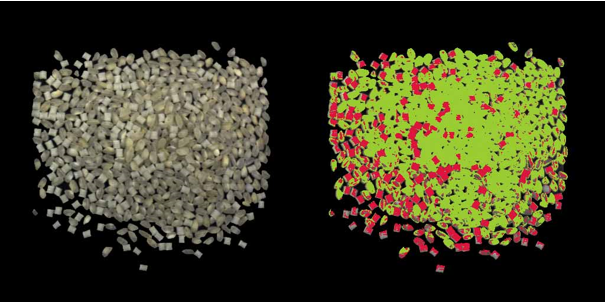
Computer vision has transformed many processes within the food industry, improving efficiency, ensuring product quality, and reducing waste. Below are some examples and results achieved:
- Sorting and selection of fruits and vegetables: Computer vision systems analyze color, size, and texture to classify products in real time. Some companies have managed to reduce waste by up to 30% by separating defective products and optimizing food distribution.
- Quality inspection in bakery: In the production of bread and cookies, computer vision verifies shape, browning, and baking uniformity. Bakery companies have implemented this technology to minimize defective batches and improve product consistency, reducing returns due to manufacturing errors.
- Packaging and labeling control: Computer vision systems ensure that packages are properly sealed and labels are legible and accurate. In the beverage industry, brands use this technology to prevent labeling errors and improve traceability, reducing mislabeled products by up to 95% in some plants.
The future of computer vision in the food industry
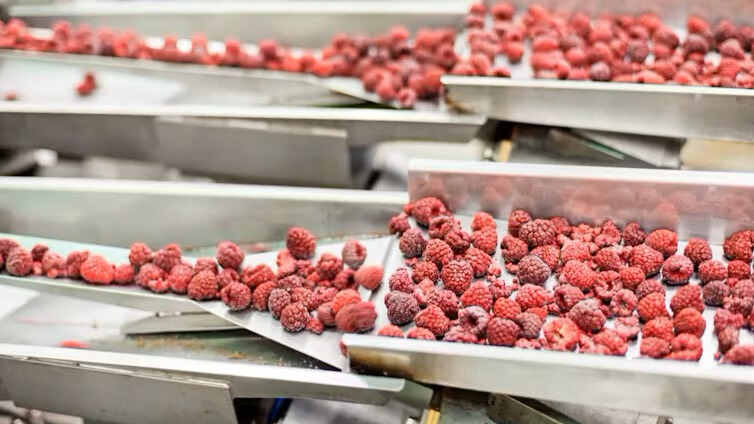
Algunas de las tendencias más prometedoras para el futuro de la visión artificial en la industria alimentaria son:
- Artificial intelligence and deep learning: With advances in artificial intelligence and deep learning and their integration into computer vision, new milestones have been reached in this technology. Thanks to AI, it is possible to distinguish between different product classes simultaneously and detect defects that are invisible to the human eye or to conventional computer vision systems. In short, more advanced inspection is achieved.
- Hyperspectral sensors or cameras: These sensors or cameras capture information across the entire spectrum and analyze aspects invisible to the human eye, such as the presence of allergens. This capability will be key to improving food safety and detecting variables that currently can only be detected in a laboratory.
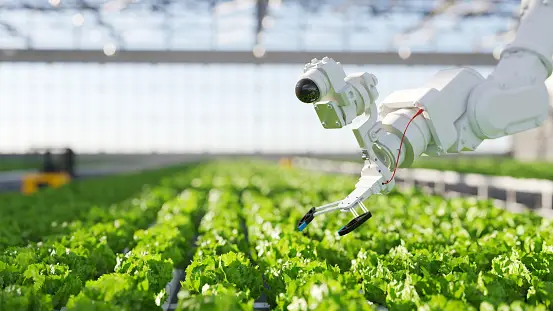
- Integration with robotics: In the future, there will be greater integration between computer vision and robotics, enabling fully automated production systems. Robotic arms equipped with cameras will be able to perform tasks such as packaging, quality control, or product selection with greater autonomy. The combination of robotics and computer vision in the food industry will increase productivity and reduce operating costs.
- Predictive inspections: Computer vision in the food industry will not only be used to detect problems in real time, but also to predict failures before they occur. On production lines, for example, these systems will be able to anticipate when a machine requires maintenance or identify signs of food deterioration before they become visible.
Do you want to apply computer vision to any of your projects? Contact us!