Technologies
10 March 2026
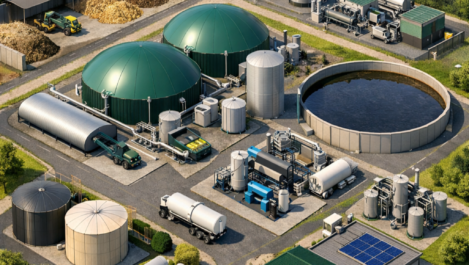
Biogas analysis, key parameters and examples
In today’s post, we explain in detail the analysis of biogas samples carried out by ATRIA.
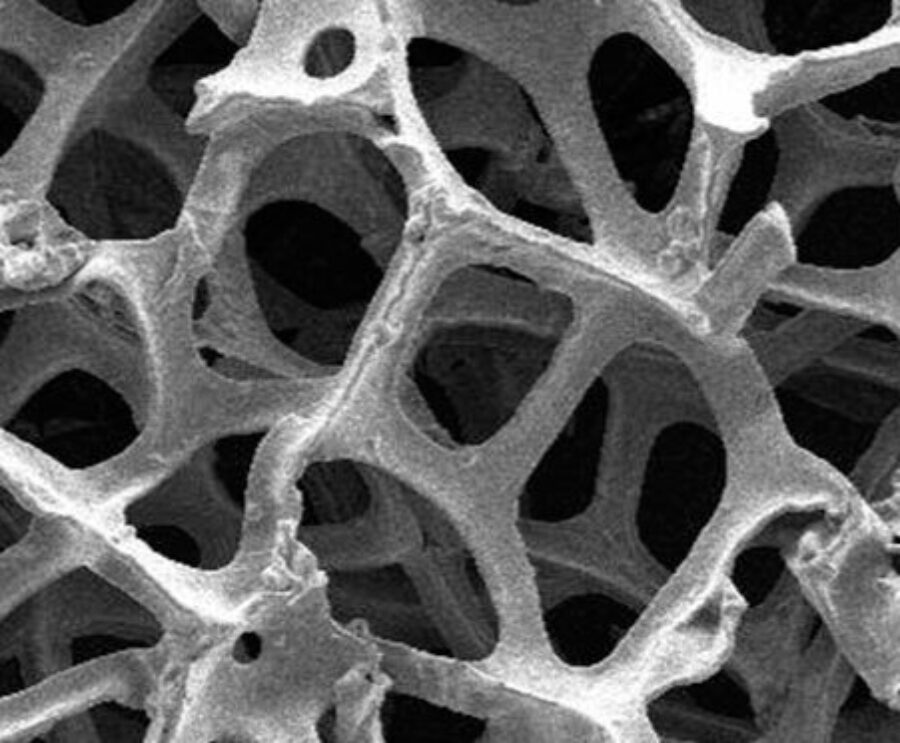
A glass that from one moment to another goes from being opaque to transparent, a glove that does not get dirty or a crack that repairs itself, all this is possible thanks to the various properties that certain materials have and which are taking more and more importance both in our day to day and at an industrial level. You already know that one of our passions is to experiment with new materials and find out about their possible applications. In today’s blog we present nine incredible materials!
This material is found in various objects of daily use such as in an information window, in the dashboard of the car or even in the screens of our electronic devices; so it can have a place in a wide range of industrial sectors. It is characterized in that its state is between the liquid and the solid and it is formed by domains in the form of tubes or disks. Its operation is simple since it only takes the incidence of a magnetic or electric field for the domains to react forming screens.
Have you ever wished you could make the packaging of a food disappear without generating waste? There is little left for you to do it. A new style of packaging is being developed based on macronutrients that surround the food, acting as a barrier against humidity and oxygen, to which the necessary additives can be added to preserve the properties of the food or to improve its aesthetics. Some components that are part of this type of coating are starch, carbohydrates from algae, proteins such as calcium caseinate, among others. These types of materials are going to be of increasing industrial interest, since they would form part of the implementation of the eco-innovation process.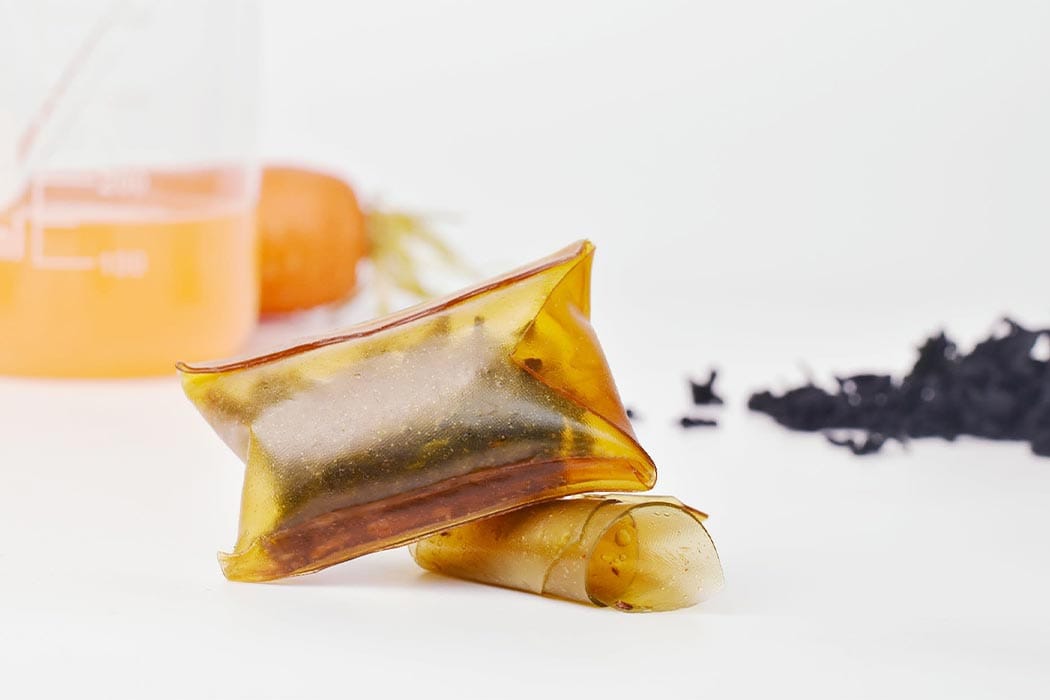
These are materials that allow the passage of an electric current without presenting any resistance and without wasting energy, to generate a magnetic or electric field. This concept is very interesting, since the conductive materials that we know today, when an electric current passes through them, dissipate energy in the form of heat. These materials act as superconductors when they work at temperatures below zero, usually below -196 ºC; although new materials are being discovered that can manifest their superconducting property above this value without exceeding 0 ºC. Some laboratories such as ALBA, located in Barcelona, have ring-shaped synchrotrons (particle accelerators) made up of superconductors that allow them to generate X-rays, in addition to controlling some variables such as the energy of these rays. We can also find superconductors in the railway industry, the field of medicine or electronics.
These are biobased materials that have their origin in what is known as the “lotus effect”. This comes from the structure of the surface of the lotus flower, which is made up of an apolar adhesive substance similar to wax. This property has a place in all industrial sectors, from textiles, the automotive industry, to household appliances. For example, in the field of construction, it is valuable to have a channel that guides the concrete to the ground without staining it.
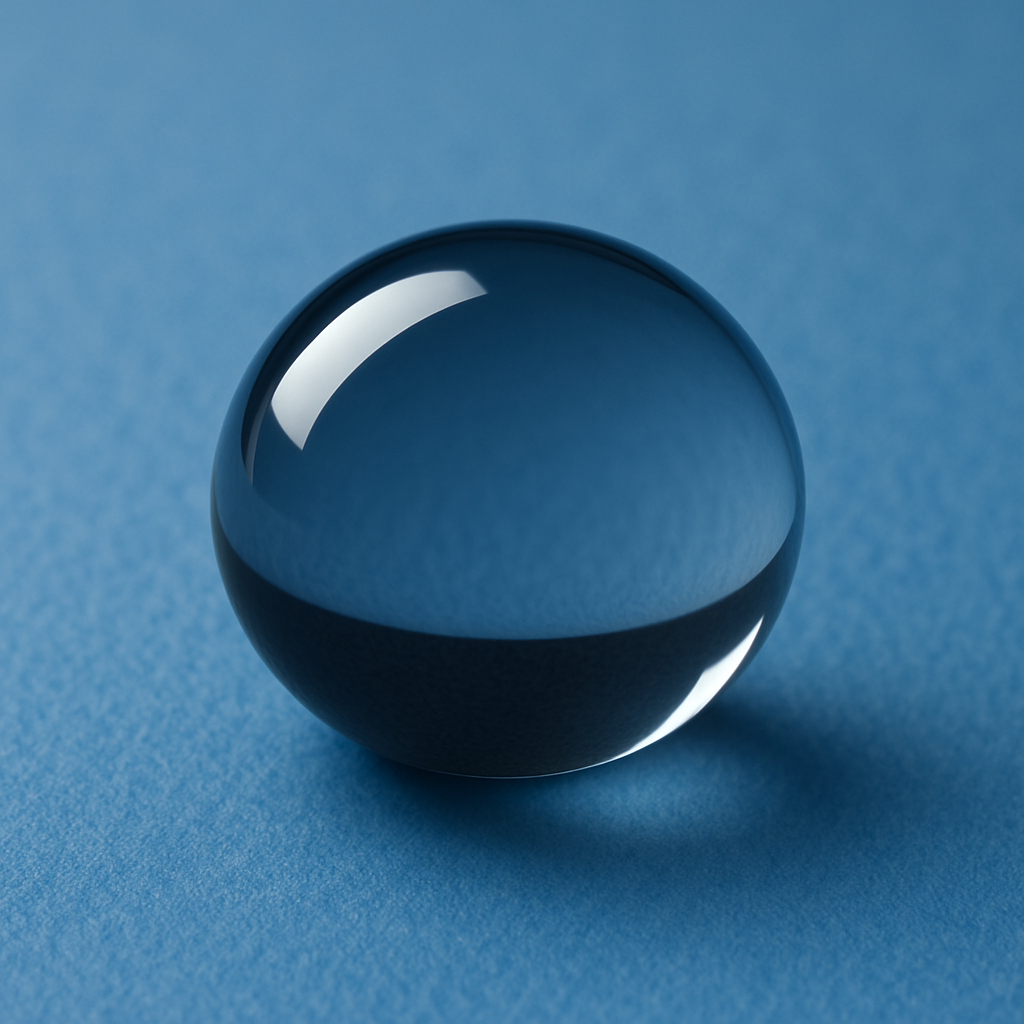
This metal is one of the least known in the scientific field and one of the most difficult to understand, since it is a soft metal that, at low temperatures, becomes a brittle solid and at temperatures above 29ºC, changes its state to liquid. That is, just by keeping it in the palm of your hand for a few minutes, it gradually melts. In addition, it is a material that is not toxic, which gives it added value when used at an industrial level. However, it is a very difficult metal to extract, so the price it entails is very high. Some sectors that have already launched the use of this curious material are lighting, weapons and renewable energies, among others. 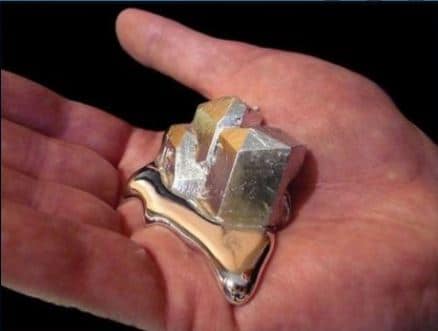
Being able to cut a piece of plastic in half and have it repaired again only sounds like something impossible, however, with advances in technology and research, the opposite has been proven. Today we already have materials that, if they suffer any damage, repair themselves without the need for human intervention. This is due to the composition of these materials that contain additives that promote this repair. These additives can be found in various ways: microcapsules, vascularly or intrinsically. Some fields of application of these materials are the automotive industry (tyres), construction (concrete) or medicine (catheters).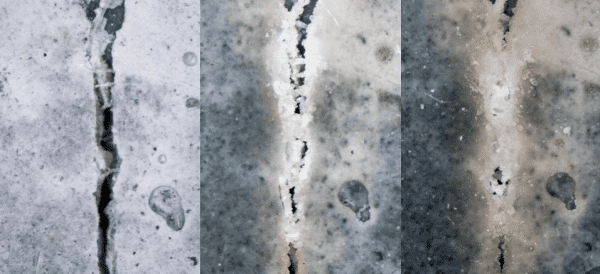
Graphene is a revolutionary substance that has many interesting properties for its application at an industrial level. It is the thinnest material that exists with only 1 atom thick; on the other hand, its hardness is the highest to date, being 200 times greater than that of a steel sheet of the same thickness. Other characteristics that add value to this material are its conductive capacity, since it is a million times higher than that of copper; its transparency, flexibility and lightness that corresponds to 3.7 times lighter than air. All these properties make graphene a very important material in electronics, specifically in the manufacture of integrated circuits, also in the manufacture of transistors, transparent electrodes or solar cells, among others. 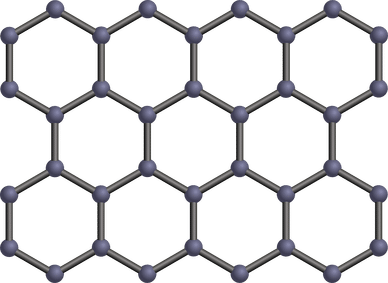
It is an alloy of nickel and titanium in almost equal proportions with the ability to return to its original state regardless of the deformations it suffers. This phenomenon is known as shape memory and takes place thanks to heat exchange. This material has numerous applications in the field of electronics, including this type of material in smartphones, mechanics, robotics and medicine, such as in the manufacture of orthodontics. It is a very expensive material to develop and manufacture, however, this problem may be solved by mass manufacturing that may take place in the coming years. 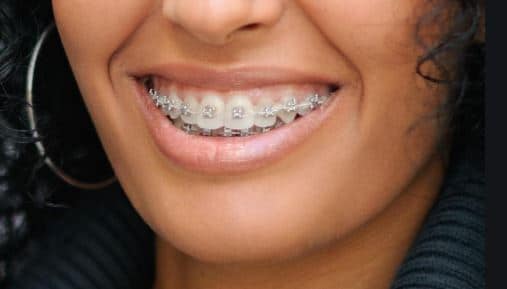
Currently we make a lot of use of this material to disinfect our hands, however, do you know all its possible uses? The hydrogel is a polymer composed of potassium acrylate, this substance gives it water-absorbing properties. For this reason, in the agricultural sector it plays a very important role, since it is capable of retaining water, and then supplying it together with nutrients to plants and soils. Another characteristic that, added to the absorption of water, gives hydrogels the possibility of being used in the field of medicine, is their flexibility. There are some wound treatments in which these materials are used to be able to deliver the active ingredients in a moist environment. 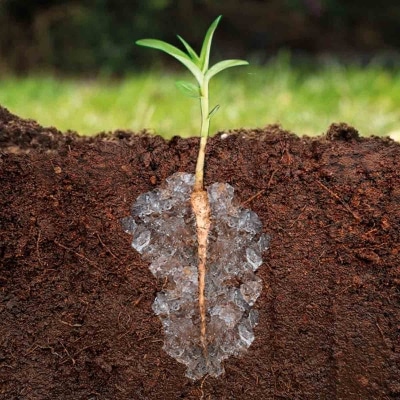 [/column]Do you want to apply any of these materials in your projects or know how they could be applied? Contact us and we will advise you!

Your success is our goal. We want to be your partner in the development of your projects, leveraging the power of innovation, flexibility, and the trust we provide. Together, we make a difference through new technologies.
Contact us and let’s build the future together!