Waste Sorting
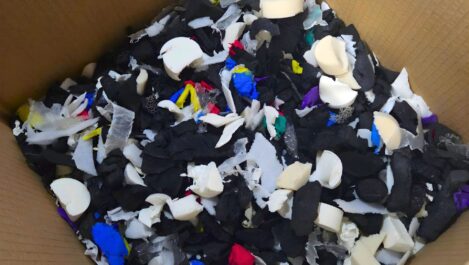
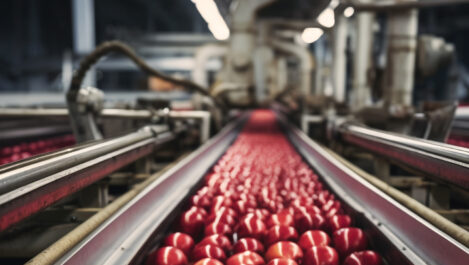
We develop waste sorting algorithms that can act at any stage of the process, from source separation to recycling.
We developed the computer vision algorithm based on neural networks for the optical separator, enabling the automatic classification and identification of relevant waste for sorting plants. We also designed and installed the data acquisition system.

The SEPARA project, “Technological Transformation of the Waste Valorization Sector to Promote an Effective Circular Economy in the Spanish Industry,” aims to use new technologies, such as the optical separator, for the digital transformation of packaging sorting plants, with the goal of increasing efficiency and productivity in the processes. The project includes developing systems and applications to improve separation processes, traceability, control, and governance across all plant facilities, using technologies such as supervised learning, intelligent action systems, and large-scale data processing.
This project has been subsidized by CDTI, under Mission No. 4 (Driving the Spanish Industry in the 21st Century Industrial Revolution), with the objective of promoting technological development, innovation, and high-quality research.

ATRIA is part of the consortium of 8 companies involved in the SEPARA project, including Ecoembes with The Circular Lab, and Trienekens as the manager of the packaging sorting plant where the developed technologies are being tested.
ATRIA’s role is the development of the computer vision algorithm based on neural networks for the optical separator, allowing for the automatic classification and identification of relevant waste for sorting plants.
One key area for improvement in waste sorting plants is the handling of bulky waste in the input stream. These bulky items can cause blockages, disrupting the plant’s operation, but many of these items are also recoverable.

At ATRIA, we focused on designing and installing a data acquisition system for the optical separator, using various types of cameras to gather information on the waste. This system is composed of multiple synchronized sensors that capture data in real-time.

With the data provided by these sensors, we developed neural network-based algorithms for the automatic identification of relevant waste for the optical separator. We also collaborated with other partners to explore robotic modules for the automatic extraction of waste and augmented reality applications to optimize various processes in the sorting plants.


Your success is our goal. We want to be your partner in the development of your projects, leveraging the power of innovation, flexibility, and the trust we provide. Together, we make a difference through new technologies.
Contact us and let’s build the future together!
We are a team of experts passionate about industrial innovation, committed to excellence, and the success of our clients.


Subscribe to our newsletter, and we’ll send you all the content that interests you directly to your email.