News
17 March 2026
Technology in the Winter Olympic Games
In this article, we explore how technology and materials engineering influence athlete performance in the Winter Olympic Games.
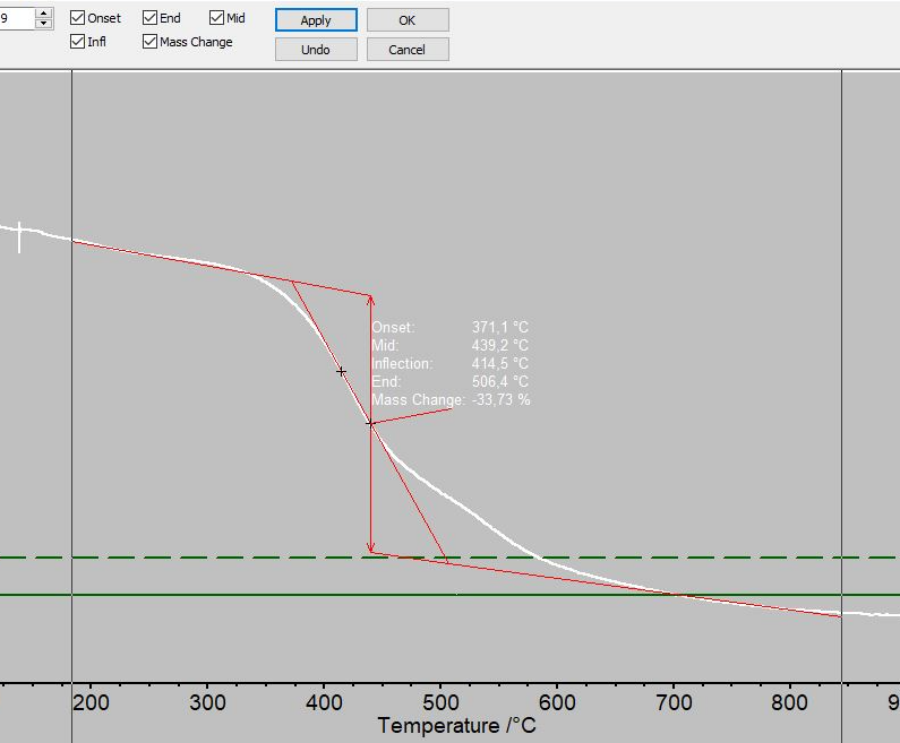
The development of new materials and their quality analysis are the most important pillars for adding value to a product and differentiating it in the market. For this, it is essential to carry out quality tests that allow us to ensure that everything is correct. The physical-chemical characterization tests, which provide us with information on the behaviour of materials when subjected to different environmental conditions.
At ATRIA, we perform TGA analysis to study the thermal stability and composition of materials. This technique helps to understand how a material behaves when exposed to temperature changes and to detect mass loss due to decomposition or volatilization. If you need to accurately characterize your materials, contact us!
In this blog we are going to explain in detail one of the most interesting physical-chemical characterization tests that we use in our projects: the Thermogravimetric Analysis known as TGA.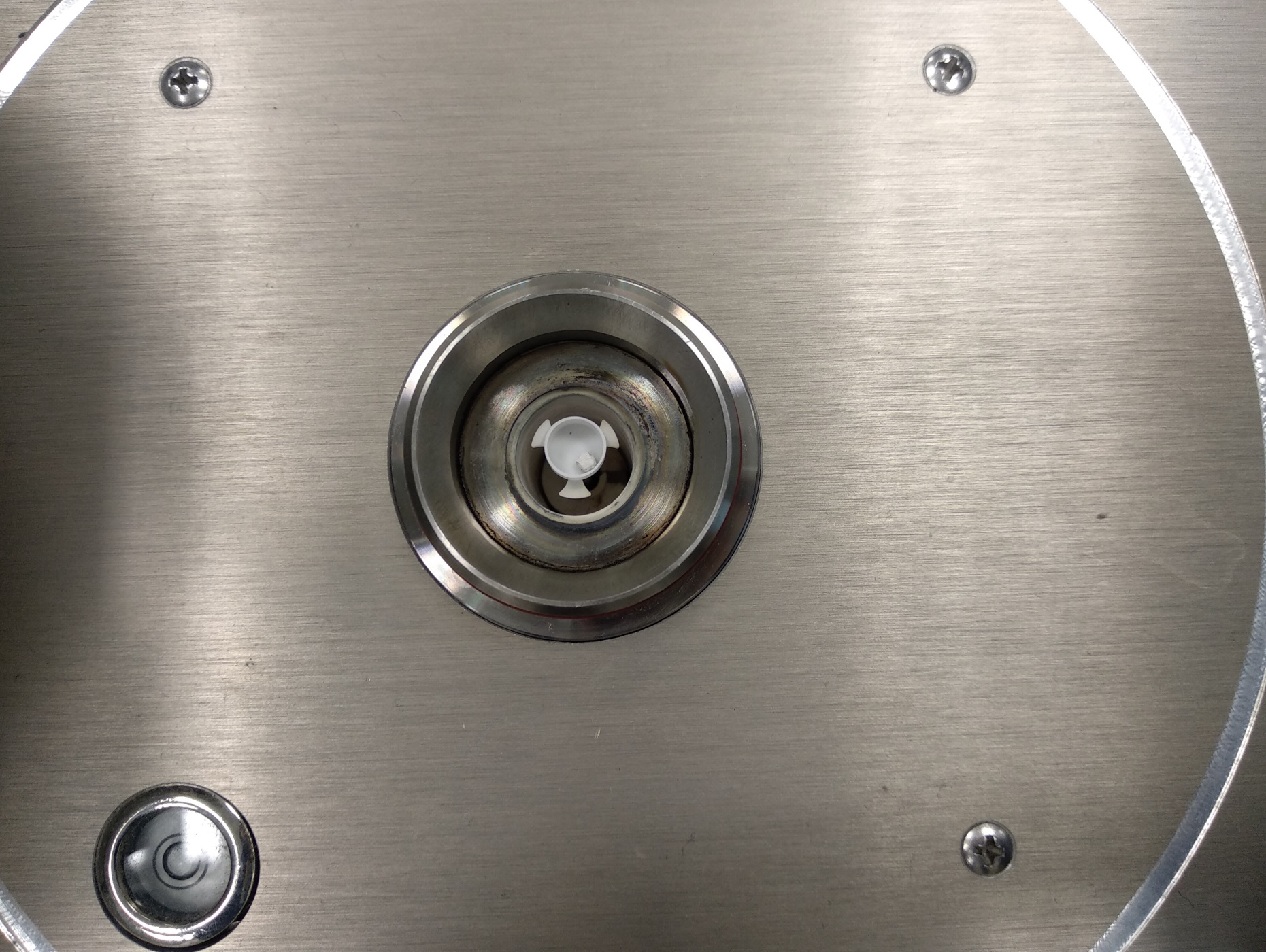
In TGA thermogravimetric analysis, the mass variation of a material is studied when it is subjected to a controlled process of temperature increase. For this purpose, the TGA equipment consists of a precision balance on which the sample is weighed continuously while it is heated in the presence of an oxidizing gas or an inert gas.
Many solids, when heated, undergo reactions that generate gaseous by-products. In TGA, these gaseous by-products are removed and changes in the remaining mass of the sample are recorded. Three variations are commonly employed:
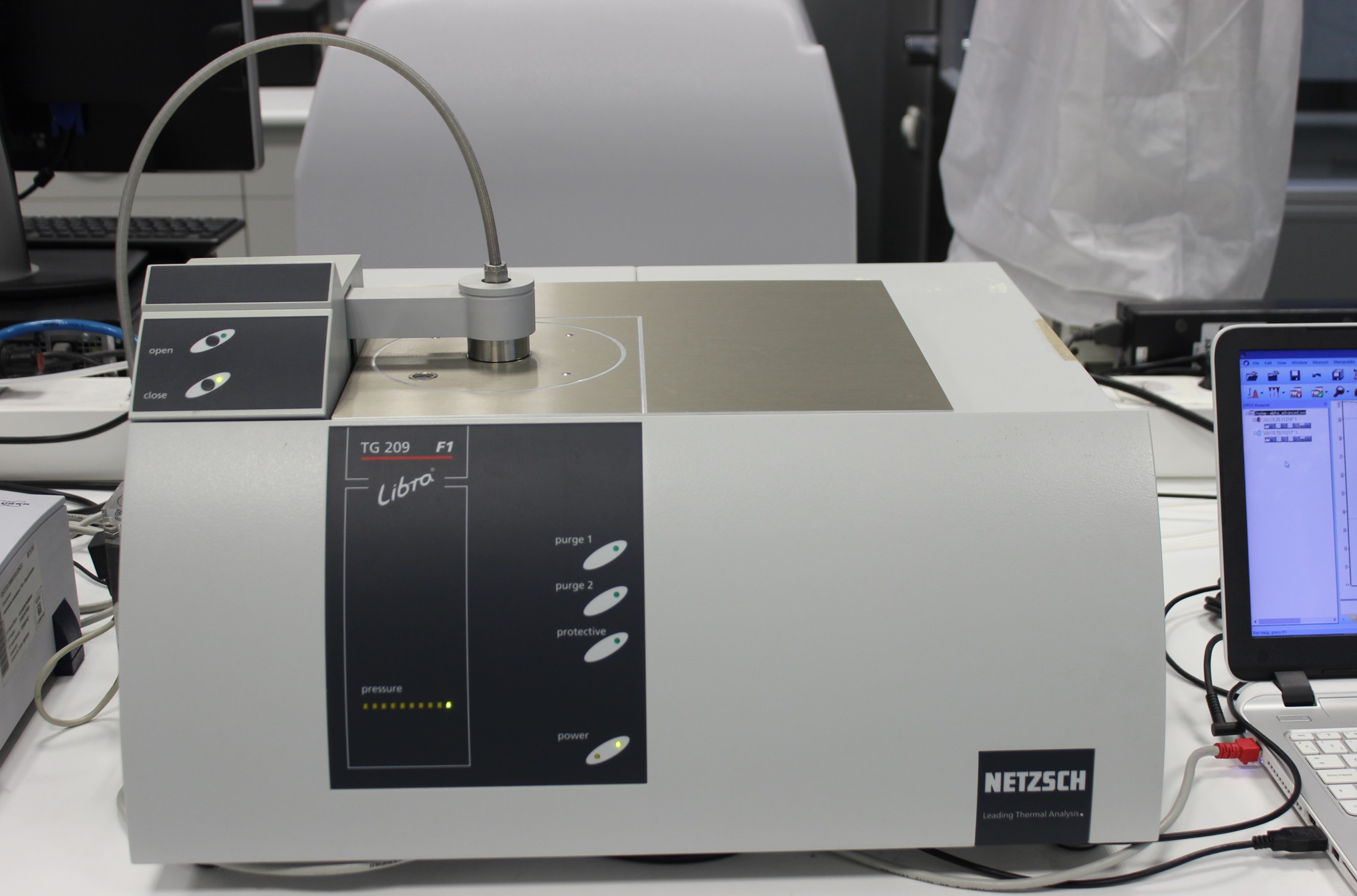
To carry out a thermogravimetric analysis measurement, the first step is to take a sample of the material to be analyzed. In case we want to analyze the behaviour of the volatile compounds that compose the sample, it is necessary that the mass of the sample is stable at room temperature. If the objective of our analysis is to evaluate the state of the sample at high temperatures, the volatile components will not be taken into account.
After that, it is necessary to define a temperature program that suits our needs. For example, if our objective is to evaluate the temperature of elimination of volatile compounds from a paint, it will be important to set a temperature increase rate that is not too high in order to observe the mass variations more accurately. On the other hand, if our objective is to evaluate the amount of inorganic additive in a polymeric sample, our focus will be on reaching a temperature high enough to completely eliminate the organic component of the sample.
As we have indicated above, thermogravimetric analysis is a powerful tool for sample analysis, from the point of view of the development of a new material, as well as from the point of view of analyzing the quality of a product and analyzing its possible defects. Therefore, it is important to point out the different applications of this type of analysis:
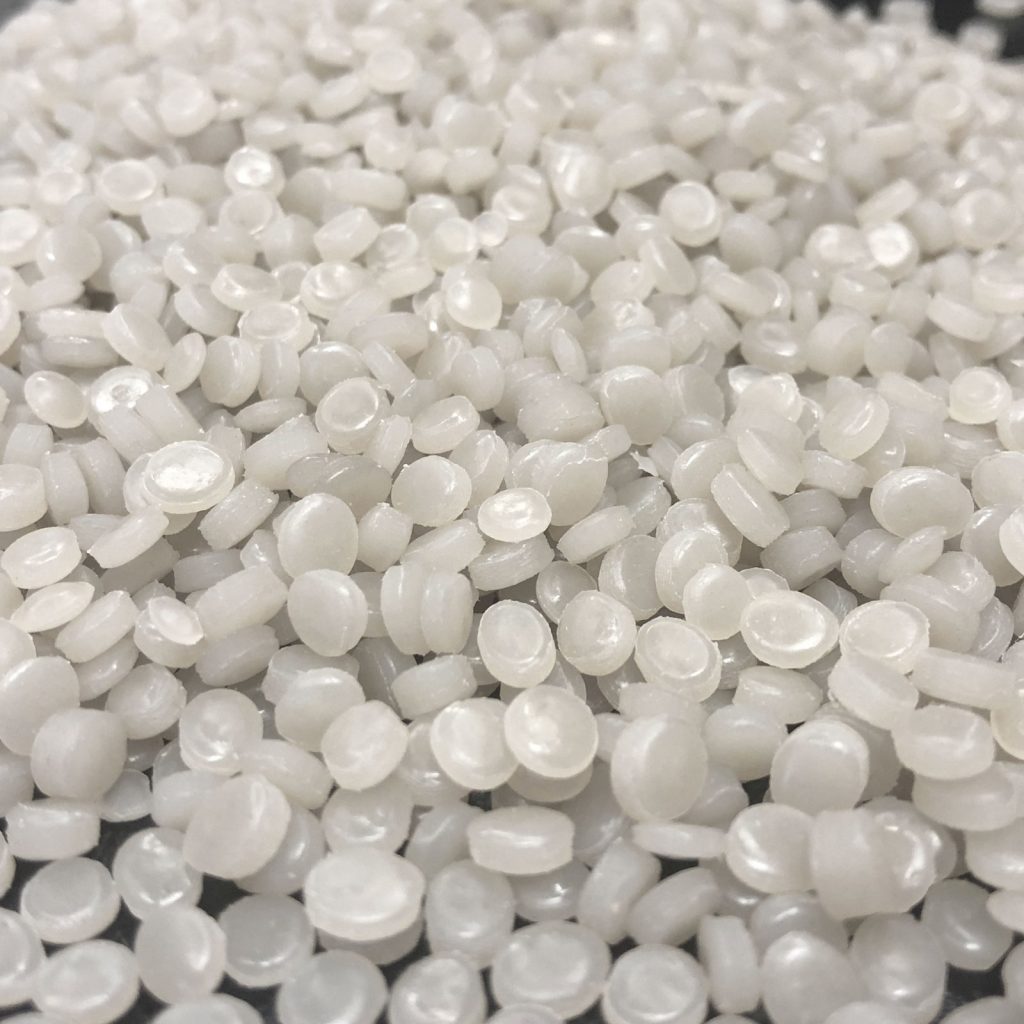
Thermogravimetric analysis is widely used in materials analysis laboratories. Therefore, its applications can be found in a wide range of industrial and scientific research. Here are some of the most interesting applications:
The main advantages of thermogravimetric analysis are:
The main disadvantages of thermogravimetric analysis are:
At ATRIA, TGA thermogravimetric analysis is one of the quality tools used par excellence. As we have explained in the post, due to its wide range of applications, we integrate it in all those cases of study where we have to evaluate the correct development of a material, evaluate the quality of final products or as a link in the chain of characterizations that allow us to apply the so-called forensic engineering to define and solve production failures.
Therefore, we encourage you to contact us whenever you need to know more information about your product, regardless of its stage of development.
Do you want to perform thermogravimetric analysis on one of your projects? Contact us!

Your success is our goal. We want to be your partner in the development of your projects, leveraging the power of innovation, flexibility, and the trust we provide. Together, we make a difference through new technologies.
Contact us and let’s build the future together!