Have you ever wondered how leading companies in the industry manage to maintain such high-quality standards in their products? In this blog, we will explore an innovative non-contact defect inspection method: active thermography. First, we will look into the physical principles behind basic thermography. Finally, we will present the techniques used in the industry in general and at ATRIA in particular to make the most of this emerging active thermography technology.
Introduction to Active Thermography
Before diving into the applications of active thermography, it is useful to understand the physical principle it is based on. All objects, from your breakfast cup to the sun itself, emit electromagnetic radiation simply because they have a temperature above absolute zero. The intensity and wavelength—or “color”—of this radiation depend on the object’s temperature and other physical properties and are governed by the Stefan-Boltzmann law. For the temperatures we typically experience on Earth, this radiation is concentrated in the infrared region, which is why thermal energy is commonly associated with infrared light.
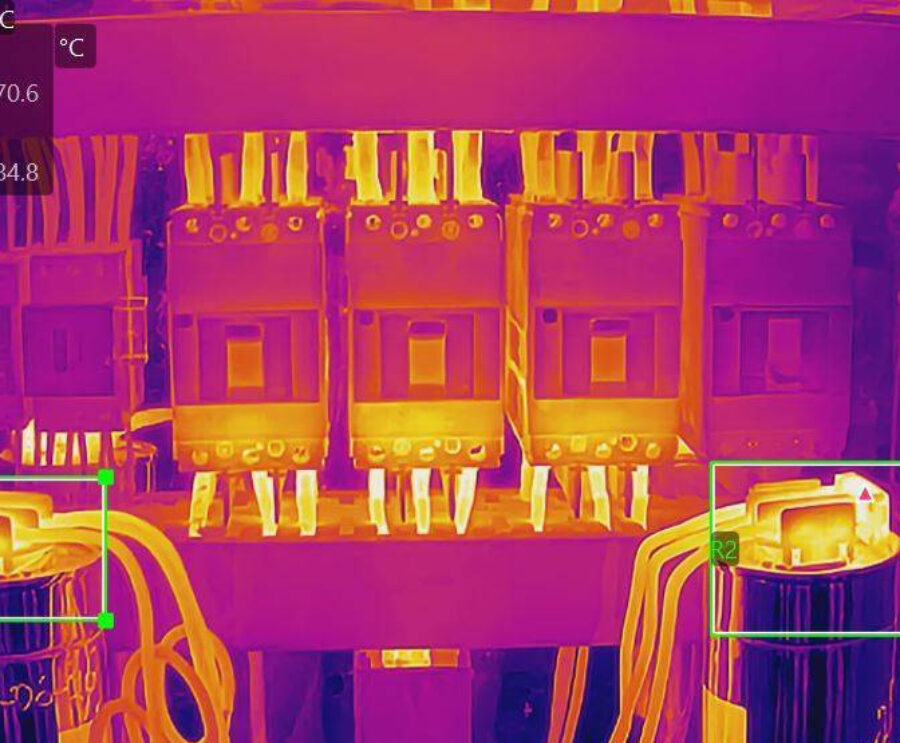
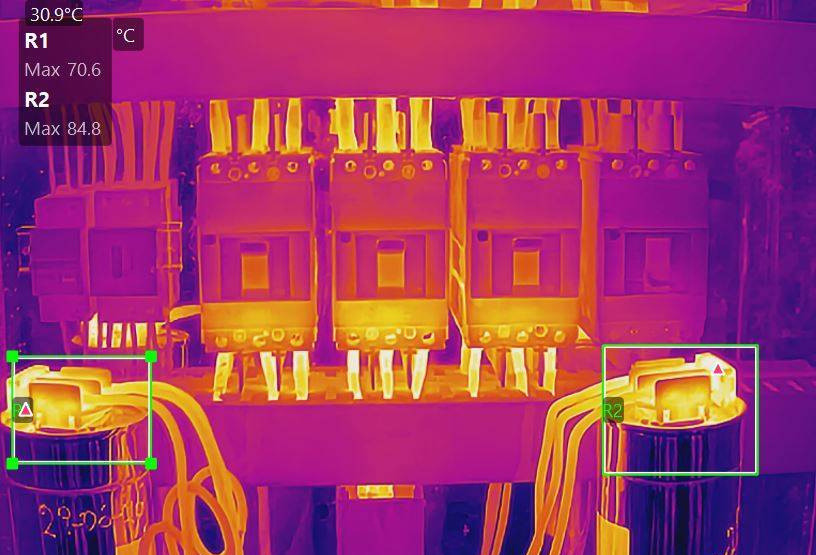
Thermal cameras are devices sensitive to infrared radiation, allowing it to be transformed into visual images that contain information about an object’s temperature. What is imperceptible to the human eye—or to conventional cameras that only detect visible light—becomes detectable thanks to these sensors.
Building on this thermal imaging technology, a specialized technique has emerged known as active thermography. Unlike passive thermography, which merely observes natural temperature differences, active thermography involves using controlled thermal stimulation to reveal properties or imperfections in a sample.
What Is Active Thermography Used for in Defect Detection?
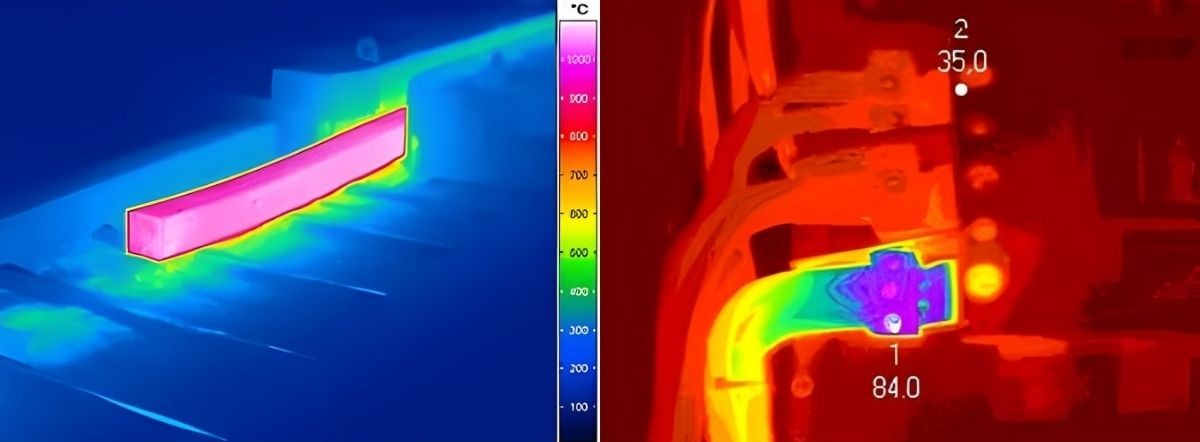
One of the most interesting applications of active thermography is in detecting defects in materials. The presence of defects alters heat distribution within the material. Deviations from expected behavior produce anomalous patterns that, with proper processing, can be linked to the presence of specific defects.
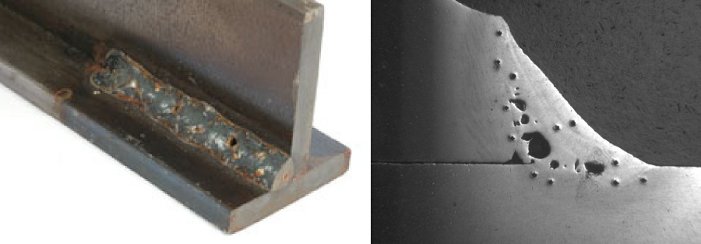
The range of detectable defects is extensive: delaminations, air bubbles, faulty welds, internal corrosion, defects in composite materials, impacts, and structural damage. This versatility exists because any anomaly that locally alters heat propagation is potentially detectable by the thermal vision system.
Best of all, this technology is not limited to surface defects. Since heat propagates in three dimensions, it is possible to detect defects even inside the material.
Types of Active Thermography Techniques
Active thermography offers various techniques for defect detection, each suited to different materials and types of defects. Below, we explore the main techniques used in the industry, divided by the type of thermal analysis and the thermal stimulation source:
By Type of Thermal Analysis
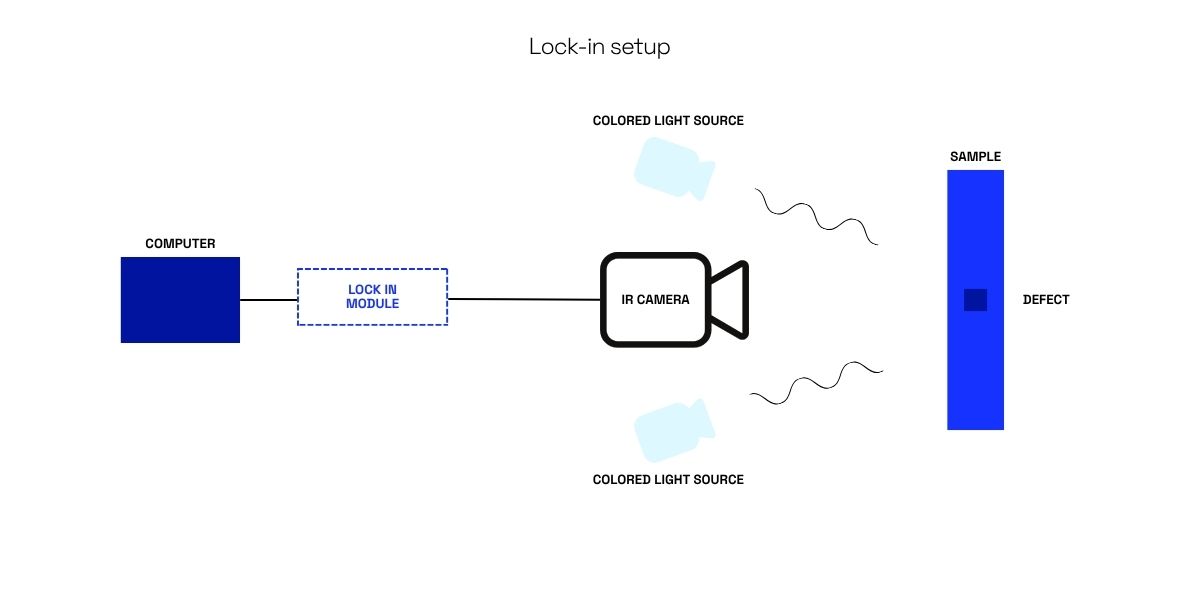
- Lock-in Thermography: Lock-in thermography uses periodic thermal stimulation (such as a lamp cycling on and off) and analyzes the material’s response in terms of amplitude and phase. It is particularly effective for detecting defects at different depths.
- Pulsed Thermography: Pulsed thermography involves applying a brief, intense heat pulse to the object’s surface. This technique is especially useful for detecting near-surface defects and is widely used in inspecting composite materials.
- Pulsed Phase Thermography: This technique combines pulsed thermography principles with frequency analysis, allowing deeper defect detection and better characterization.
- Step-Heating Thermography: This technique involves continuously heating the sample while monitoring its thermal response. It is useful for detecting defects in low thermal conductivity materials.
By Type of Thermal Stimulation
- External Heating: Heat is applied using sources such as continuous or flash halogen lamps.
- Electromagnetic: In conductive materials, heat can be generated via electromagnetic induction (similar to some domestic cooktops).
- Electrical: For conductive materials, a direct electric current can also be applied to generate heat via the Joule effect.
- Vibrational: Known as vibrothermography, this method uses ultrasonic waves to induce friction in internal defects.
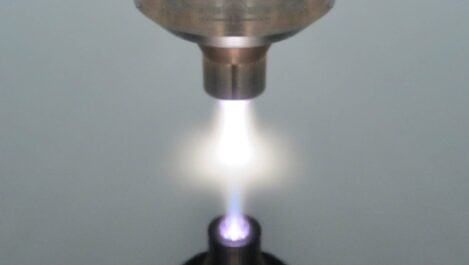
- Laser: A laser is used to locally heat specific areas and detect defects via heat propagation.
How to Choose the Right Technology for Defect Detection
With so many options in active thermography, choosing the most suitable technology can be overwhelming. The variety of methods raises questions: Which type of analysis is best? How does the material of the object affect the choice? What level of detail and depth is needed? Fortunately, at ATRIA, we not only provide the most advanced tools but also guide clients in selecting the best solution for each case.
To make the right choice, several criteria should be considered. First, the type of thermal analysis determines how the obtained information will be processed and combined with the chosen stimulation method.
It is also important to evaluate the characteristics of the material being inspected. Materials with low thermal conductivity may require longer heating periods for uniform heat distribution. Conversely, multilayer structures or complex geometries may benefit from methods that analyze thermal response in terms of phase and amplitude.
Finally, the specific objectives of the inspection must be considered. If rapid detection of surface defects is the goal, an immediate analysis technique may be ideal. If identifying deep anomalies or conducting a detailed damage characterization is required, other methods may be more suitable.
At ATRIA, we understand that each application is unique and that the best technology is not always obvious. That is why we focus on offering specialized advisory services, helping clients define the optimal approach based on their needs.
Do you want to apply active thermography in one of your projects? Contact us!