Technologies
24 March 2026
Computer vision in the food industry
We explain how computer vision is transforming the food industry and improving the quality, safety, and efficiency of said industry.
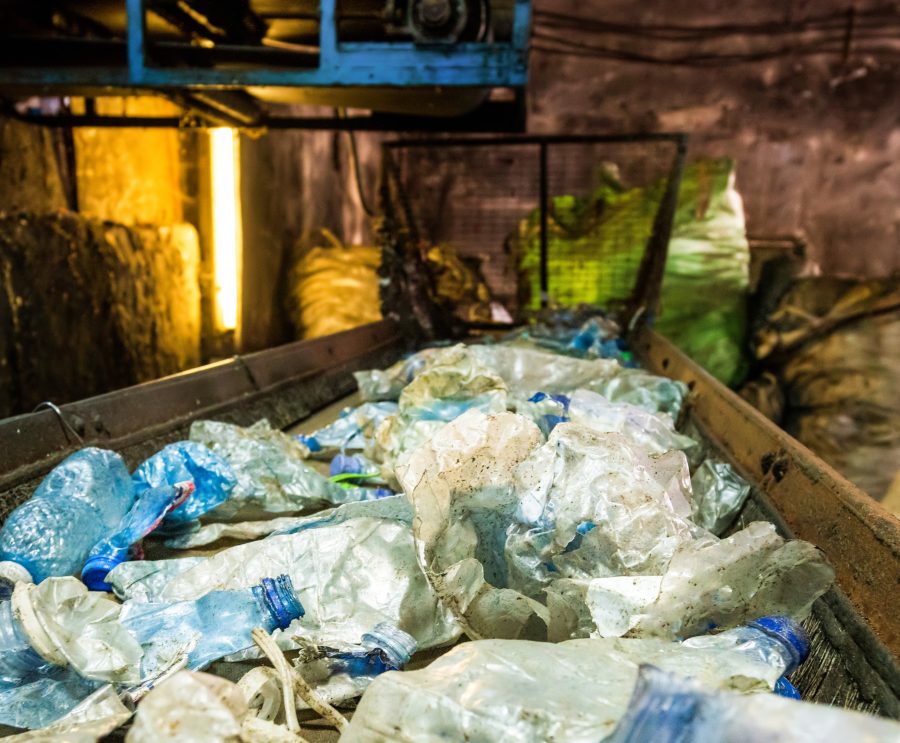
Valorization of plastic waste is still a pending issue. The uncontrolled plastic generation has generated a global environmental crisis. It is estimated that each year millions of tons of plastic are thrown away, ending in landfills, oceans and other natural environments. This use of single-use plastics has caused serious impacts on the ecosystems, sea life and human health. The urgent need to address this problem has become a priority for institutions, enterprises, and society, for this, increasingly, work is being done to value plastic in different ways.
At ATRIA, we work on the valorization of plastic waste, exploring new alternatives to convert discarded plastics into useful resources. Through innovative processes, we transform these wastes into sustainable materials, contributing to the circular economy and reducing environmental impact. If you’re looking for solutions for plastic valorization, Contact us!
Residues of plastic valuation address diverse techniques that allow transforming this waste into useful resources. Among them are mechanic recycling, where the plastics are transformed into new products; chemical recycling, which splits up the plastics to create new high-quality materials; and biodegradation/composting, methods that promote the natural split up of the plastics by microorganisms. These perspectives offer opportunities to reduce the dependency on virgin plastic production and minimize its negative impact on the environment.
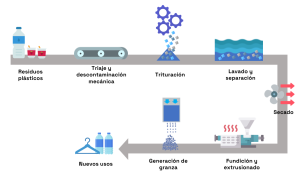
Residues of plastic valuation not only represent an environmental solution but also, a platform for innovation in multiple industries. Products derived from plastic recovery are used in sustainable building, packaging manufacturing, the textile industry and other sectors, providing alternatives more sustainable for conventional materials. From plastic wood in the building to plastic fibres in the fashion industry, these applications show one way to a more responsible use of the resources.

The adoption of plastic waste recovery strategies carries a series of significant benefits. Not only environmental pollution is reduced by giving a new propose to this waste, but also natural resources are conserved by reducing the demand for virgin raw materials. Also, the promotion of a circular economy looks favoured by promoting reuse and recycling, which at the same time can generate economic and social opportunities in local communities.

To sum up, the revalorization of residues from plastic offers multiple opportunities to mitigate the negative environmental impact form these materials and promote more sustainable practices in diverse industrial sectors.
Do you want to reuse the residues from plastic throughout your productive process? Contact us!

Your success is our goal. We want to be your partner in the development of your projects, leveraging the power of innovation, flexibility, and the trust we provide. Together, we make a difference through new technologies.
Contact us and let’s build the future together!