Technologies
24 March 2026
Computer vision in the food industry
We explain how computer vision is transforming the food industry and improving the quality, safety, and efficiency of said industry.

Organic and inorganic biocompounds are chemical compounds derived from biological sources, their application today is essential due to their ability to address environmental challenges, promote human health, encourage innovation and contribute to the fight against climate change. These compounds offer more sustainable and environmentally friendly solutions in a wide range of sectors, making them a valuable tool for sustainable development and human well-being.
At ATRIA, we research and extract organic biocomposites from natural materials to create sustainable, high-performance alternatives. These composites combine the properties of organic materials with advanced technical features. If you’re interested in exploring the possibilities your waste offers, Contact us!
Biocompounds are chemical compounds obtained from plants, animals and microorganisms, among others. They can have a wide variety of structures and functions. They are of interest due to their natural origin and their unique properties, which is why they have great potential in various applications and offer sustainable alternatives to conventional chemical compounds.
Biocompounds are classified into two large groups:
Organic biocompounds are synthesized by living beings and are also called organic molecules. One of its main characteristics is its carbon content with bonds that include hydrogen. Almost all of these biocompounds are produced naturally, but there are those that require chemical synthesis for their production, being able to distinguish between natural organic biocompounds and artificial organic biocompounds. Some of the more common applications include:
Inorganic biocompounds
They are chemical compounds derived from inorganic sources, such as minerals and metals, that are used in biological and biomedical applications. Unlike organic biocomposites, which are mainly composed of carbon, inorganic biocompounds are made up of inorganic elements such as metals, oxides, sulfides and other non-organic compounds. The formation of these biocomposites takes place by the combination of different chemical and physical phenomena. such as fusion and electrolysis, among others. Some of the more common applications include:
There are numerous biocompounds today that have been experimented with and proven to be extracted for both innovative and routine applications.
Fatty acids
They are found in lipids and oils. Fatty acids can be saturated or unsaturated. These compounds are essential components of cell membranes and are also used in the production of food, cosmetics, and pharmaceuticals. Alkaloids They are found in plants, fungi and some animals. Examples of alkaloids include morphine, codeine, caffeine, nicotine, and cocaine. Alkaloids often have pharmacological properties and can act as stimulants, analgesics, hallucinogens, among others.
 Terpenes They are found in essential oils of plants and some bacteria and fungi. Terpenes include molecules like limonene, menthol, carotene, and linalool. These compounds have characteristic aromas and are used in the perfume industry, flavors and in the manufacture of cosmetic products.
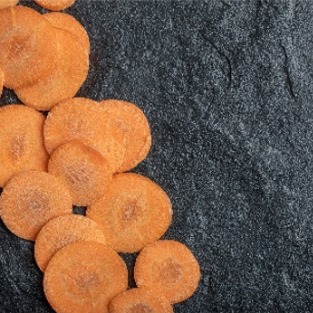 Polyphenols contain multiple phenol groups linked in their structure. Polyphenols are found in foods such as fruits, vegetables, tea, red wine, and chocolate. These compounds have antioxidant properties and are believed to offer health benefits, such as protection against cardiovascular disease and cancer.Types of inorganic biocompounds.
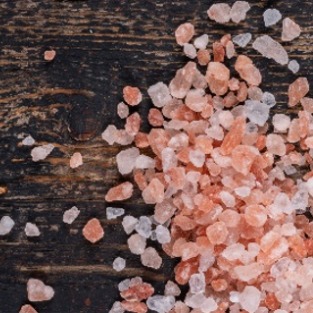
 Mineral Salts Living organisms require a variety of mineral salts to carry out vital functions. Some important mineral salts include calcium, magnesium, potassium, sodium, and iron. These mineral salts can be extracted from natural sources, such as minerals and rocks, and are used in the food industry, in the manufacture of dietary supplements, and in agricultural applications.
 Silicon Compounds Silicon compounds, such as silica and silicates, can be extracted from natural sources, such as diatoms and mineral silicates. They are used in the materials industry, as additives in food products, in the manufacture of cosmetic products and in agriculture as fertilizers.
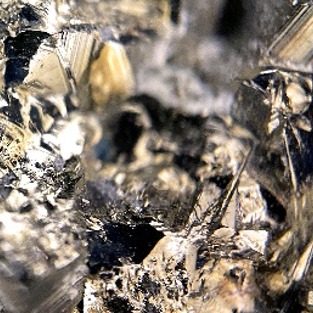 Phosphorus Compounds Phosphorus is an essential element for living organisms and is found in compounds such as phosphates. Phosphates can be extracted from natural sources, as phosphate minerals, and are used in the agricultural industry as fertilizers, in the manufacture of chemicals, and in the production of food and beverages.
 Calcium Compounds Calcium is an essential mineral for bone and dental health, as well as many cellular functions. Calcium compounds, such as calcium carbonate, can be extracted from natural sources, such as calcium minerals, and are used in the manufacture of dietary supplements, pharmaceuticals, fortified foods, and in industrial applications.

There are several extraction methods for biocomposites, and the choice of method depends on the type of compound to be extracted, the source of origin, and the purpose of the extraction.
This is one of the most used methods. It consists of using solvents, such as water, ethanol, methanol, hexane or chloroform, to extract the biocomposites from the raw material. The extraction is carried out by means of maceration, percolation or Soxhlet processes, in which the solvent is brought into contact with the material and the desired compounds are transferred to the solvent.
In this method, ultrasonic energy is used to speed up the extraction of the desired compounds. The ultrasonic waves help to break the cell walls and facilitate the release of the compounds into the solvent.
This method is mainly used to extract volatile compounds, such as essential oils, from plant materials. It is based on the vaporization of the volatile compounds and their subsequent condensation to obtain the extract.
A supercritical fluid, such as carbon dioxide, is used to extract the compounds. The fluid is in an intermediate state between liquid and gas, which gives it unique diffusivity and solvation properties.
This method is used to obtain biocomposites produced by microorganisms through fermentation processes. Microorganisms produce and release the desired compounds during their growth and metabolism.
This method is used to extract oils and fats from seeds and nuts. The sample is cold-pressed to obtain the oils without the need for additional heating, helping to preserve heat-sensitive compounds.
This method is widely used in biocomposite research and analysis, as it allows efficient extraction of organic compounds from solid samples. However, it is a relatively slow process and requires significant solvent consumption. Therefore, factors such as solvent selectivity and extraction time needed to obtain the best results should be considered.
Biocompound extraction, also known as bioactive compound extraction, offers a number of advantages and benefits in various fields. These advantages may vary depending on the type of biocomposite and the purpose of its extraction. As general advantages we can find:
 Typically, the extraction of biocompounds allows the creation of innovative and improved products, with unique properties and benefits that improve health, quality of life and sustainability in various industries.
One of the current problems before which we face is the eutrophication of soils and waters due to the use of fertilizers. The wine sector generates a large amount of by-products and waste that can be given a second life. Through extraction processes of different wine residues, polyphenols (a natural element used to replace fertilizers) were obtained and can be applied to new crops avoiding the use of chemical fertilizers.
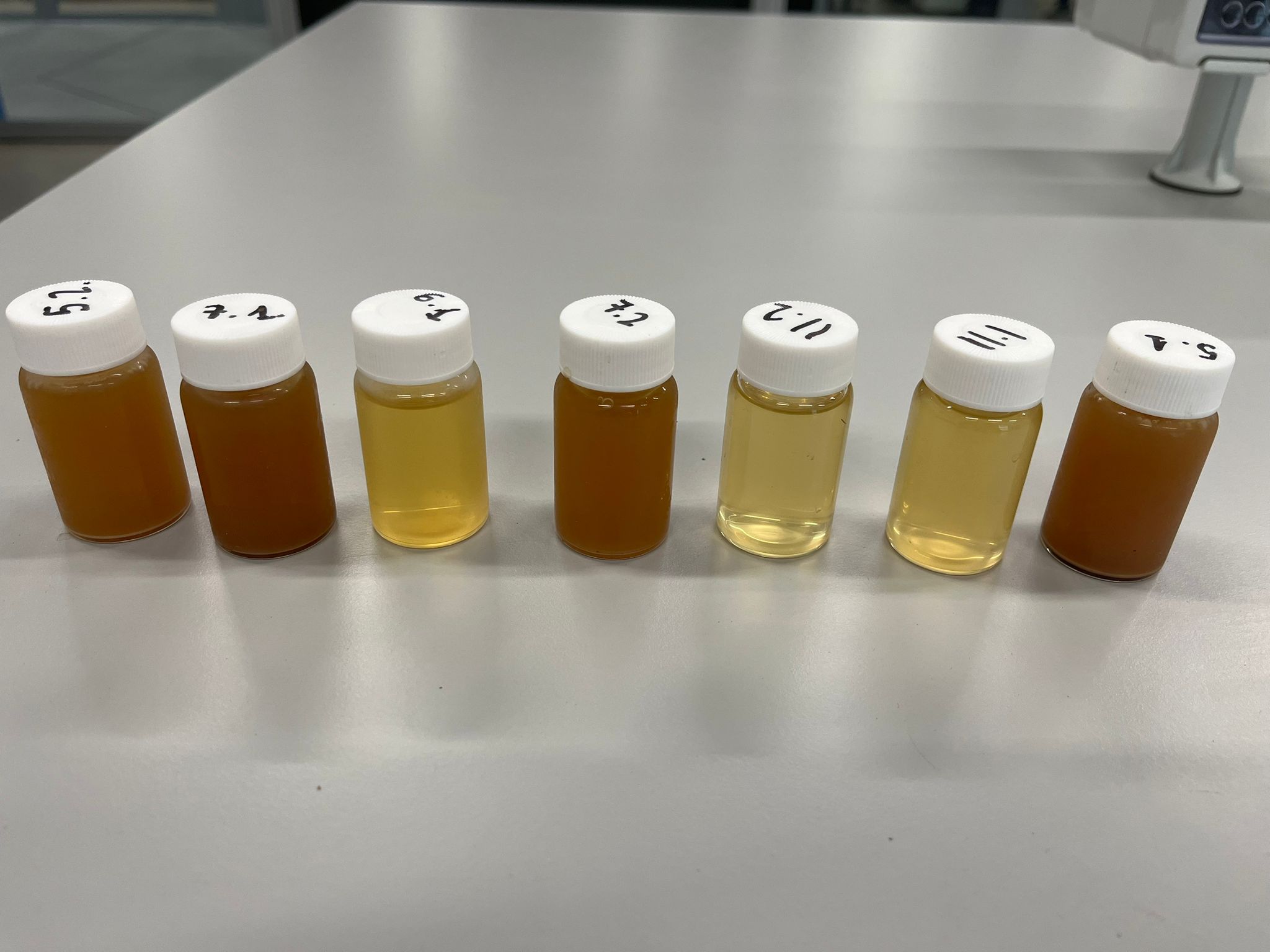
Do you have any by-products or waste that you think might contain biocompounds? Contact us!

Your success is our goal. We want to be your partner in the development of your projects, leveraging the power of innovation, flexibility, and the trust we provide. Together, we make a difference through new technologies.
Contact us and let’s build the future together!