
Technologies
24 March 2026
Computer vision in the food industry
We explain how computer vision is transforming the food industry and improving the quality, safety, and efficiency of said industry.

In today’s world, the development of nanomaterials is enabling society to advance technologically at an exponential rate. Its progressing at such speeds that today we can find materials made up of nanoparticles in fields ranging from biomedicine—where nanotherapies are being developed to replace conventional medicine and improve patients’ quality of life—to more everyday applications, such as enhancing the performance of public and private transportation through the formulation of new nanoparticle-based coatings that ensure higher quality in use. However, this progress is being slowed by the lack of legislation governing the use of nanometric materials.
Below, we will explain in depth the use of nanomaterials and the nanoparticle release by abrasion test, its principles and procedure, that can be carried out to ensure their safe use. Don’t miss it!
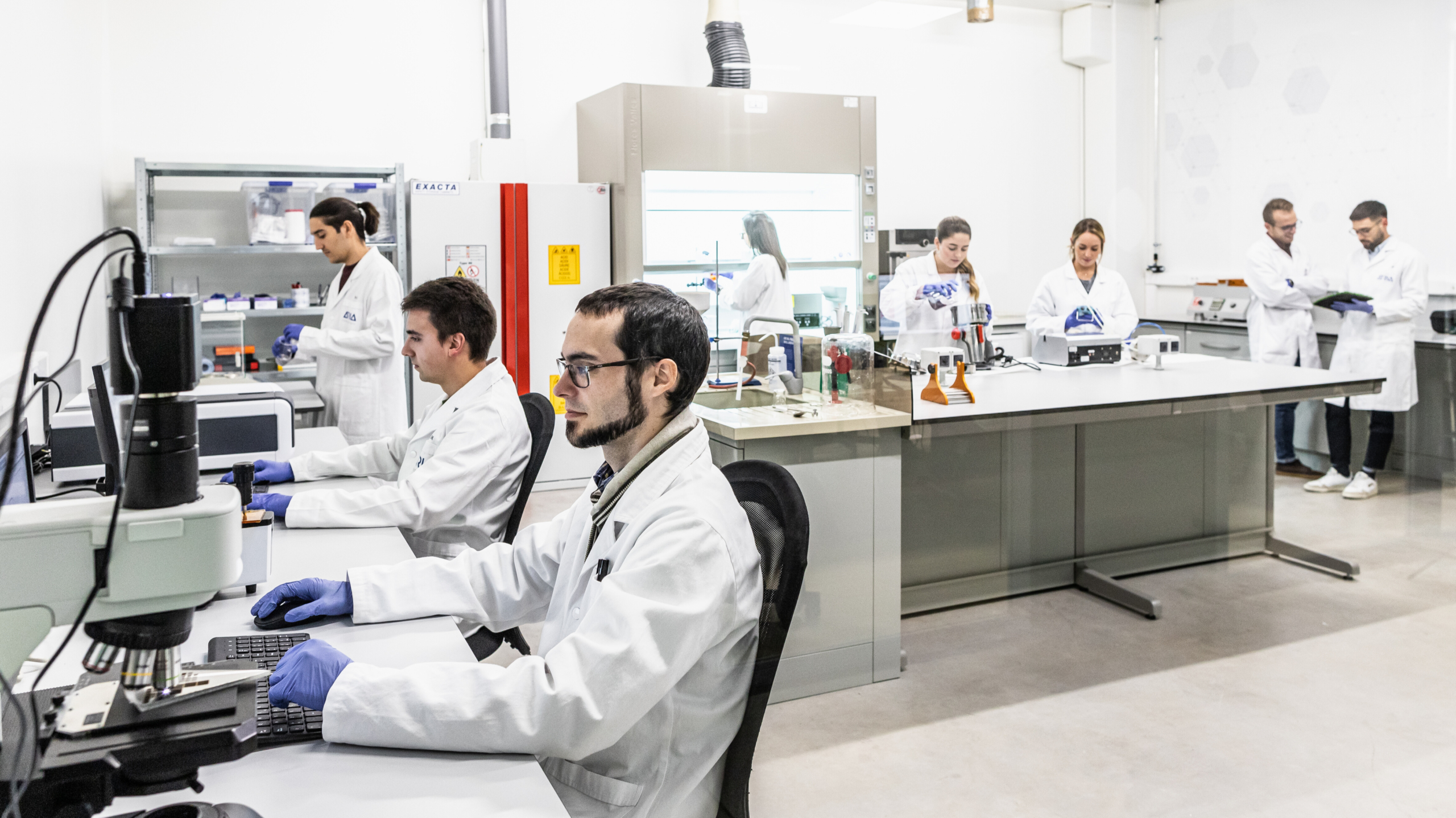
Nanomaterials have revolutionized various areas of science thanks to their unique properties, such as high surface area, dispersion capacity, and specific optical or mechanical effects. Among other applications, their role in the innovation of coating formulations stands out, leading to improved performance in terms of corrosion resistance, antibacterial properties, and increased coating hardness.
In different areas such as automotive, aerospace, electronics, and construction, their incorporation is already common practice. However, their extremely small size—below 100 nanometers—raises questions about their behavior under real-use conditions. Do they remain immobilized, or can they be released over time? The answer depends on the type of coating, the application process, and the conditions of use. Therefore, studying safety and assessing potential human or environmental exposure is essential.
This blog focuses on tests that make it possible to assess risk, especially those related to mechanical processes such as abrasion, which can promote the release of nanoparticles. Understanding their interaction with the environment is key to encouraging responsible and sustainable use.
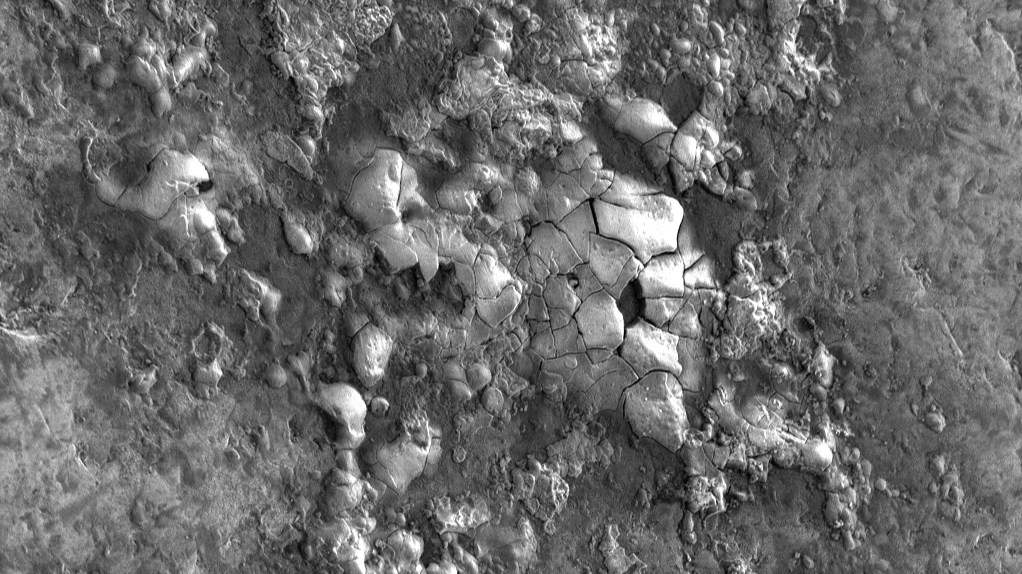
Although nanoparticles offer significant technological advantages, their extremely small size can facilitate their entry into the body through respiratory, dermal, or even digestive routes. Once inside the body, they may cross cellular barriers and generate inflammatory responses or oxidative stress, raising serious concerns about their toxic properties.
In the environment, accumulation in soils, water, or sediments could disrupt ecosystems and affect aquatic organisms. From a regulatory perspective, many legislations do not distinguish between conventional and nanostructured materials, making specific risk assessment difficult. Therefore, it is essential to investigate how nanoparticles behave under real conditions of use.
Studies on release, bioavailability, and toxicity are essential for developing realistic exposure models. Safety should not be measured solely in terms of the total amount of material, but also in terms of its response to adverse conditions in its application environment. One of the most common cases is the incorporation of nanomaterials into functional coatings whose application is close to end users. Therefore, evaluating the complete life cycle of the coating will make it possible to identify critical scenarios and adopt preventive measures prior to commercialization.
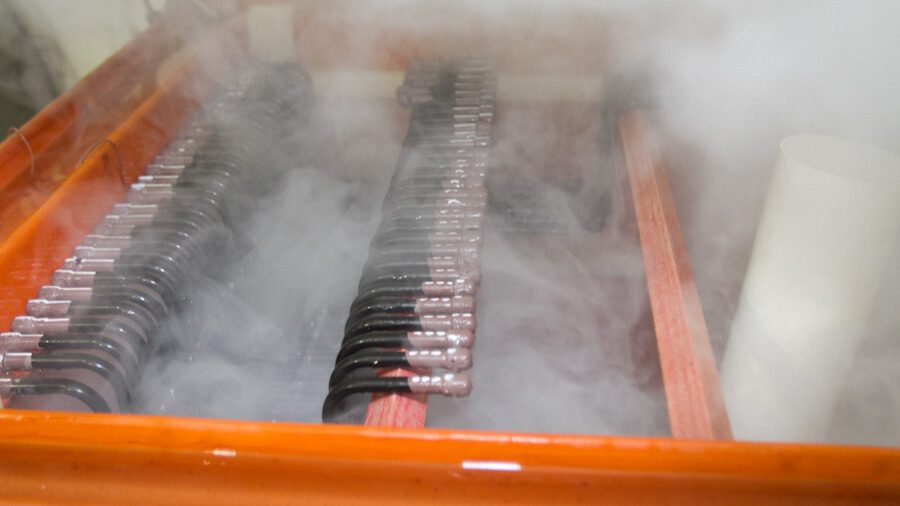
To assess the safety of nanoparticle-containing coatings, it is essential to apply methodologies that allow reproducible and comparable results to be obtained. Various organizations, such as ISO, OECD, and ASTM, have developed protocols adapted to nanostructured materials, including studies on toxicity, bioavailability, mechanical release, and chemical stability. Some tests focus on detecting the emission of nanoparticles during wear processes, solar exposure, or accelerated aging.
Analytical techniques used may include electron microscopy (SEM/TEM), X-ray diffraction (XRD), or Raman spectroscopy. However, each test must be adapted to the coating matrix and its final application, as not all materials behave in the same way.
Regarding current regulations, the relatively recent use of nanomaterials means that many specific regulations are still under development. Nevertheless, there are well-established regulatory frameworks that address nanomaterial safety in general terms, although none focus exclusively on the release of toxic nanoparticles derived from abrasion or cleaning processes in isolation.
Among the main regulatory references are:
Next, we will discuss in more detail one of the nanomaterial validation tests carried out at ATRIA: the nanoparticle release by abrasion test.
The nanoparticle release by abrasion test is one of the most relevant methods for studying the behavior of nanoparticles once they are integrated into a coating, as it aims to simulate the wear that may occur during everyday use through cleaning, friction, or impact processes.
To carry out this test, the following steps are followed:
It is important to define the abrasion speed, number of cycles, applied force, and cleaning system in such a way that they simulate real application conditions.
In conclusion, this test allows the most critical mechanical release scenario to be evaluated, providing essential data for assessing potential exposure of users or the environment. In addition, the results are key to optimizing formulations and improving nanoparticle adhesion or encapsulation.
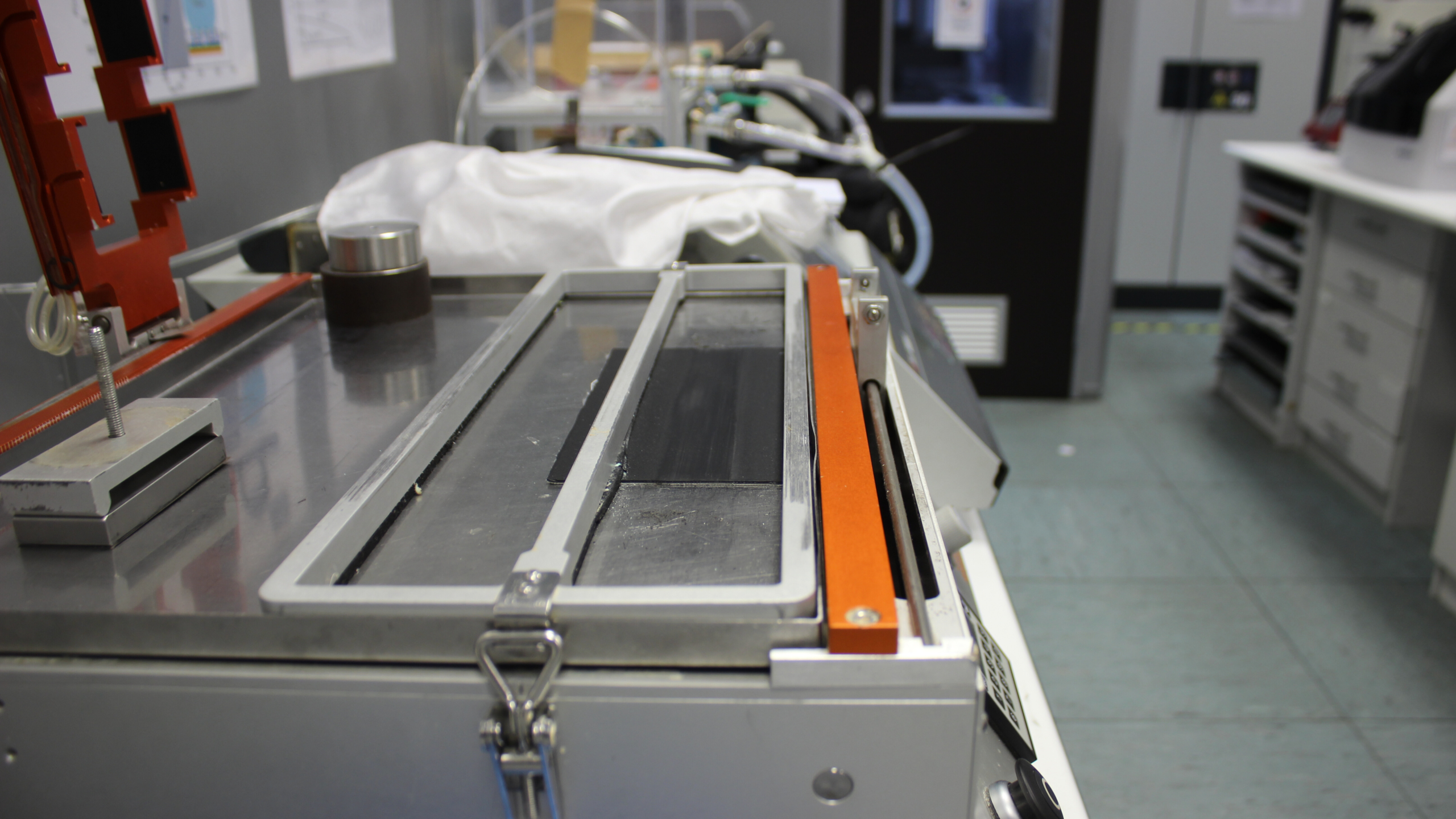
The tests followed the steps described above and were carried out in collaboration with INMA – the Institute of Nanoscience of Aragon (CSIC–University of Zaragoza), at the Río Ebro campus. The following image shows the setup used to analyze released nanoparticles.
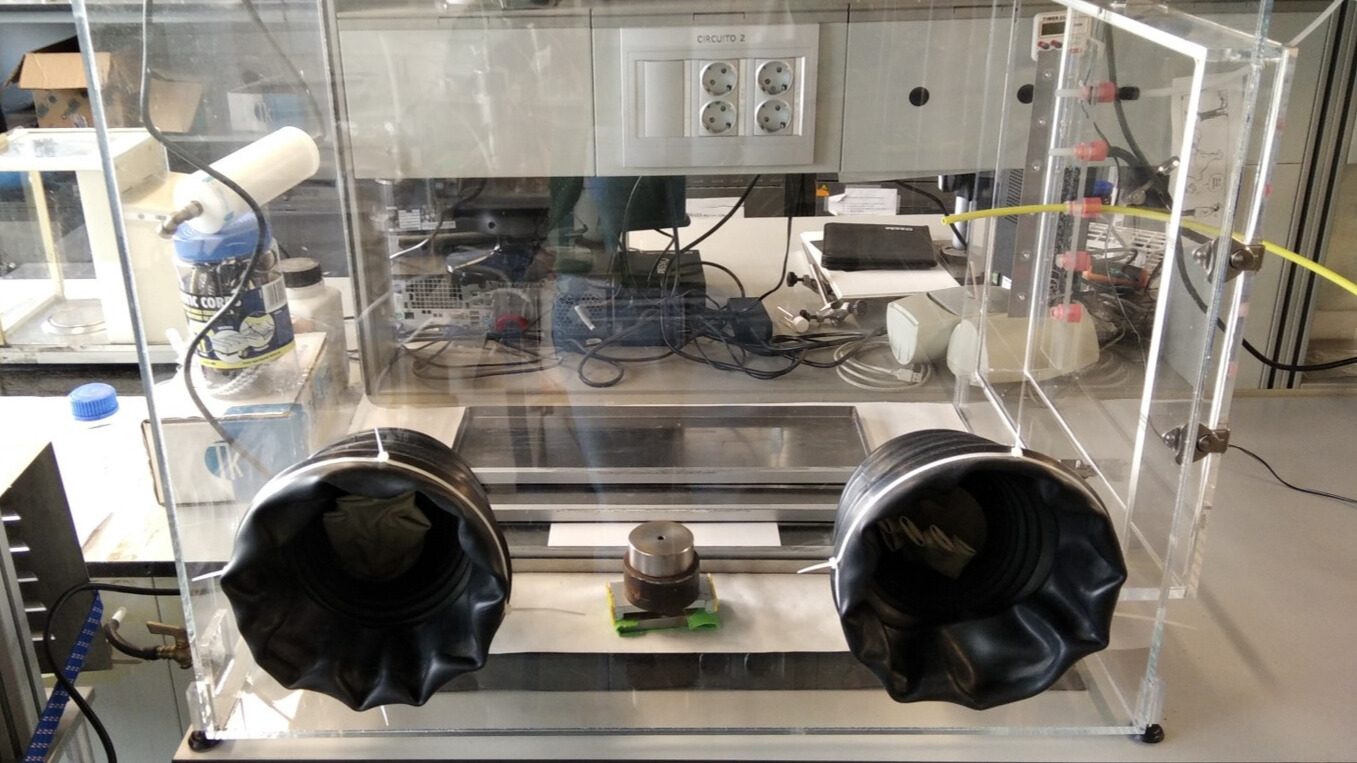
Once the abrasion test data have been obtained, they must be interpreted carefully. It is not enough to know whether particles are released; it is also necessary to understand their nature. Do they correspond to large coating fragments or to free nanoparticles?
Interpretation is supported by physical and chemical characterization techniques, including morphological analysis, size distribution, and composition. Detection limits are crucial, as some nanoparticles may be present at very low concentrations but still pose potential toxicity. It is also essential to contextualize the results with real exposure criteria: How many particles could be inhaled during product use? Under what conditions does release occur?
Risk assessment must integrate toxicity, exposure level, and environmental persistence. Not all coatings may represent a significant risk, but without scientific data it is not possible to guarantee their safety. The objective is not to prohibit the use of nanoparticles, but to promote responsible management based on experimental evidence and precautionary principles.
Would you like to carry out a nanoparticle test in one of your projects? Contact us!

Your success is our goal. We want to be your partner in the development of your projects, leveraging the power of innovation, flexibility, and the trust we provide. Together, we make a difference through new technologies.
Contact us and let’s build the future together!