
Technologies
3 March 2026
Artificial intelligence in factories
We explain the impact of implementing artificial intelligence in factories, along with its multiple applications, benefits, and challenges.
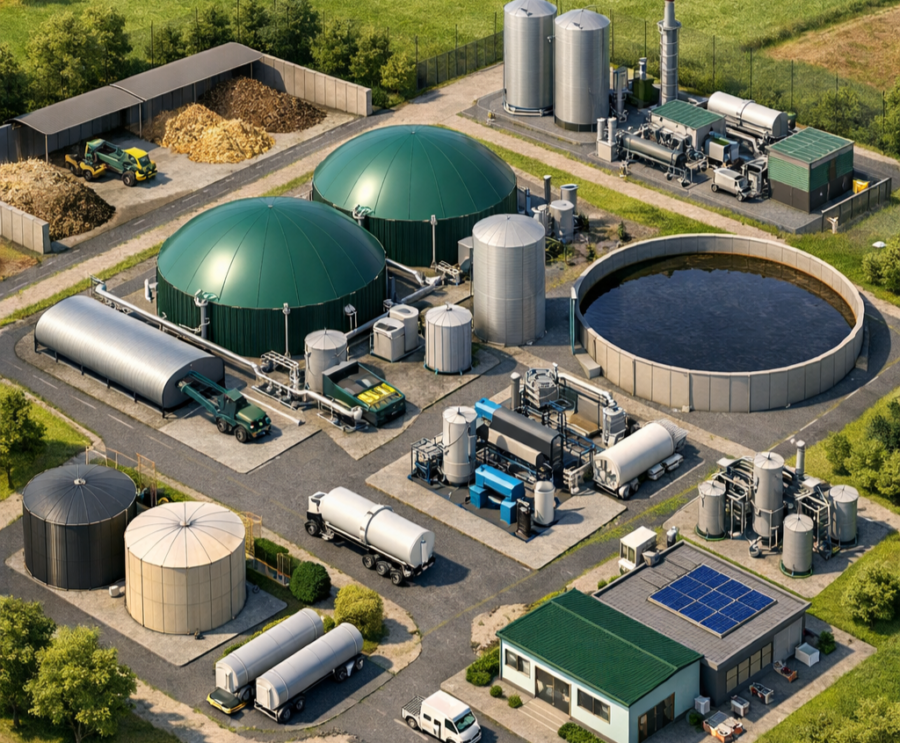
In an industrial environment, where operational continuity and safety are priorities, periodic biogas analysis becomes an essential practice for the efficient management of the digester and the sustainability of the project.
Biogas, generated from the decomposition of organic matter, represents a renewable energy source with great potential in agricultural, agro-industrial, and waste treatment sectors. However, its efficient use depends directly on its quality and composition. For this reason, biogas analysis in industrial digesters is a fundamental tool to ensure the efficiency, safety, and profitability of industrial digestion processes.
In today’s post, we explain in great detail everything you need to know about biogas and how to analyze it. Don’t miss it!
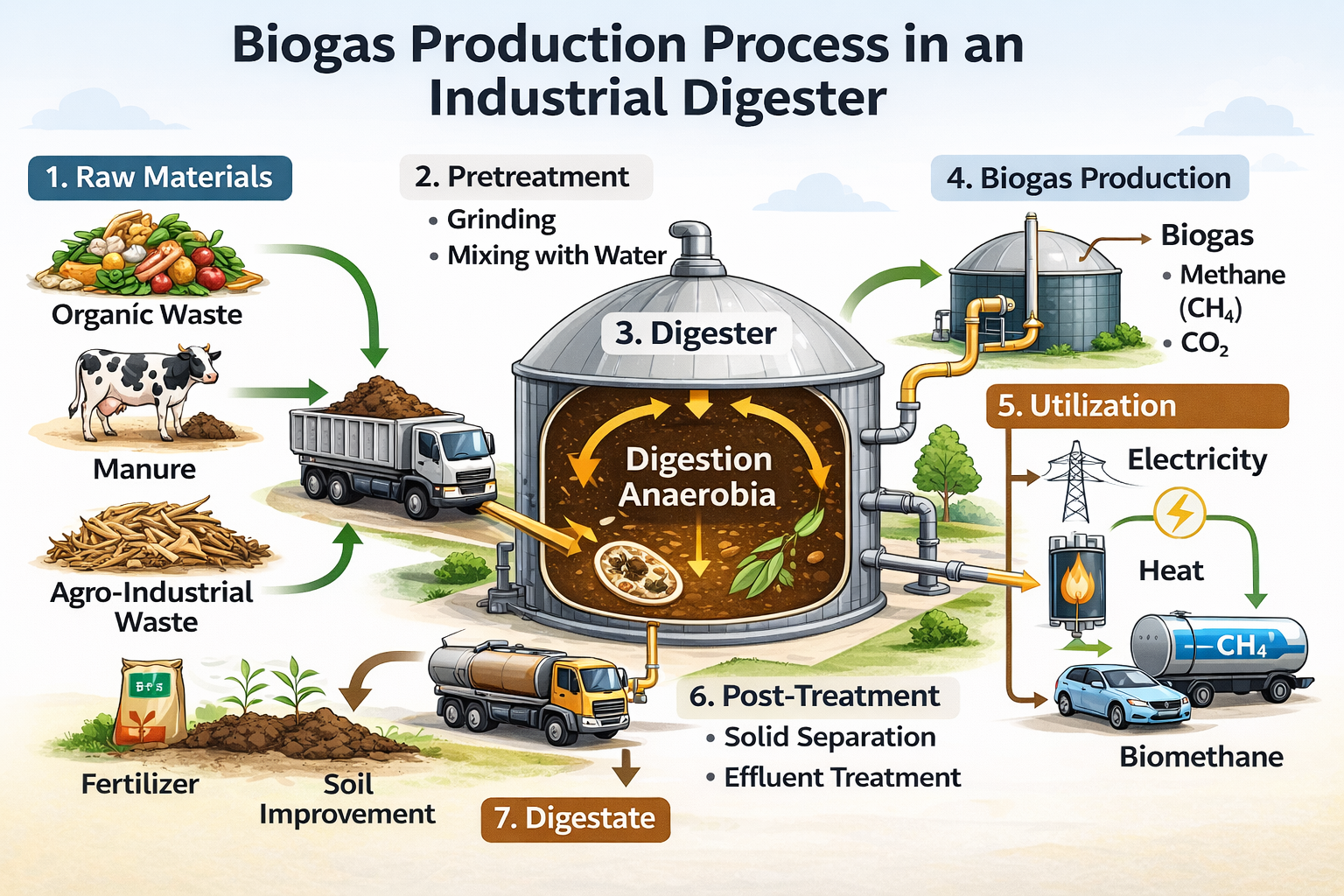
Biogas is a combustible gas generated through anaerobic digestion, a biological process in which microorganisms break down organic matter in the absence of oxygen. This process takes place inside closed reactors called digesters, which are used in certain industrial sectors for processes such as the treatment of agro-industrial waste, sewage sludge, and urban organic waste.
Anaerobic digestion develops in four main stages: hydrolysis, acidogenesis, acetogenesis, and methanogenesis. In the final stage, methanogenic bacteria transform intermediate compounds into methane and carbon dioxide, forming the basis of biogas. For the process to be efficient, it is essential to control parameters such as temperature, pH, organic loading rate, and hydraulic retention time.
In industrial applications, the biogas produced can be used to generate electrical and thermal energy through cogeneration systems, used in boilers, or purified to obtain biomethane. In addition to its energy value, anaerobic digestion reduces the pollutant load of waste and produces a by-product that can be used as fertilizer, contributing to a circular economy model.
Typical composition of biogas
The composition of biogas may vary depending on the type of substrate and the operating conditions of the digester, but it generally includes the following compounds:
In addition, biogas contains water vapor, whose condensation can cause problems in pipelines and equipment. Traces of ammonia, nitrogen, oxygen, hydrogen, and siloxanes may also be present, especially when the substrate comes from urban or industrial waste. Understanding this composition is key to designing cleaning systems and optimizing energy use.
Biogas analysis is a fundamental practice to ensure the operational efficiency of the industrial digester. For example, methane concentration allows evaluation of the biological performance of the process: an unexpected decrease may indicate organic overload, microbial inhibition, or system imbalances. In this way, monitoring becomes a preventive diagnostic tool.
From an energy standpoint, biogas quality determines its calorific value and, therefore, the profitability of the electrical or thermal generation system. In the case of methane concentration, gas with low methane content reduces engine efficiency and increases specific fuel consumption.
Likewise, controlling hydrogen sulfide and moisture is crucial to protect equipment such as compressors, engines, and boilers. Hydrogen sulfide can cause severe corrosion and shorten infrastructure lifespan. In terms of safety, continuous monitoring reduces risks associated with the accumulation of flammable or toxic gases.
Finally, analysis ensures compliance with environmental regulations and technical standards when biogas is injected into the grid or converted into biomethane, guaranteeing quality and sustainability.
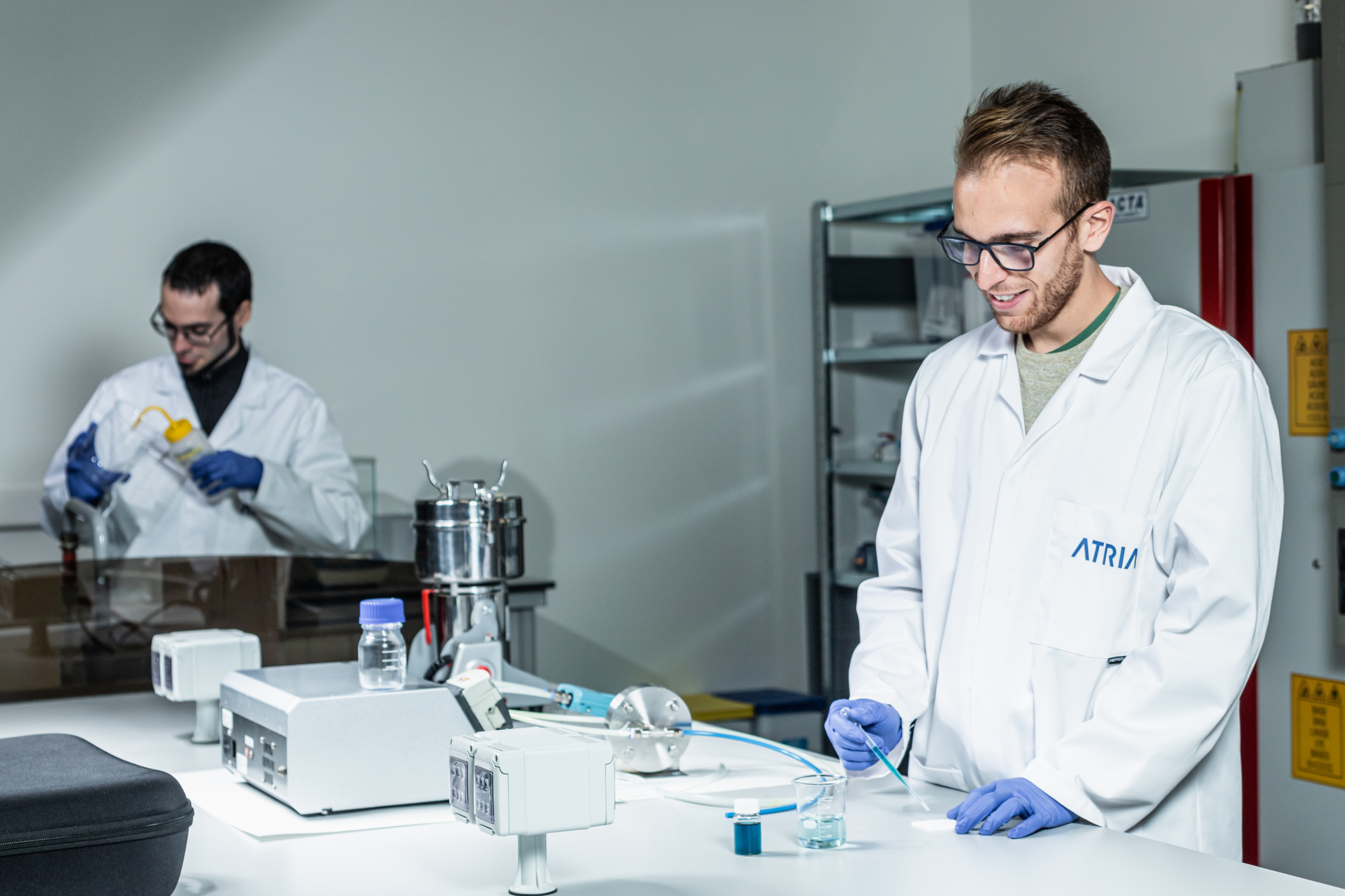
In industrial biogas analysis, various parameters are evaluated to characterize its quality and energy performance. Among the most important are:
Methane percentage, the main indicator, as it defines the calorific value of the gas.
Carbon dioxide percentage, whose proportion influences combustion efficiency and purification requirements.
Hydrogen sulfide concentration, generally expressed in parts per million (ppm). Its level determines the need for desulfurization systems and the risk of corrosion.
Moisture or water vapor content, which may condense and affect gas transport and storage.
Presence of oxygen, which may indicate air infiltration, as well as nitrogen or hydrogen.
In addition, physical variables such as pressure, temperature, and flow rate are recorded, all of which are essential for evaluating the operational stability of the system.
Continuous monitoring of these parameters allows early detection of deviations, optimization of energy production, and assurance of safe operating conditions in industrial facilities.
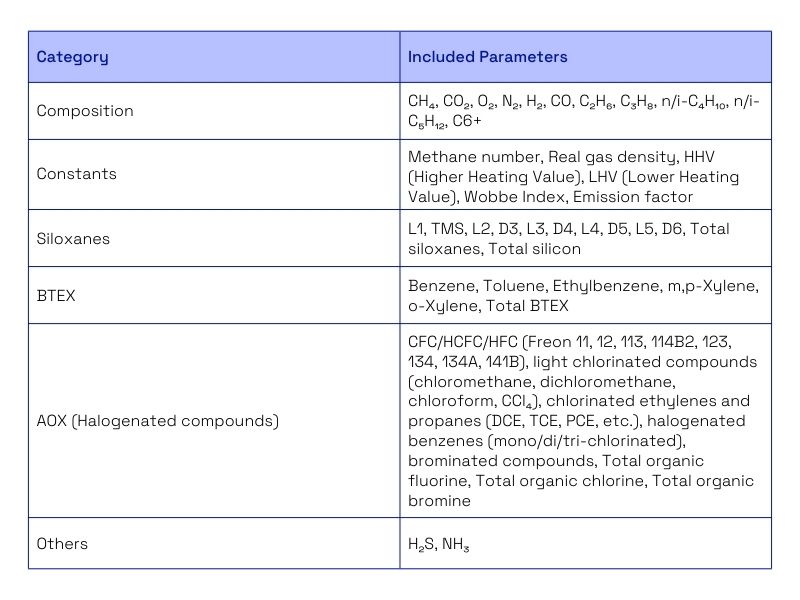
Below is an example of biogas characterization commonly performed at ATRIA, along with the values analyzed.
There are various technologies available for biogas analysis, and their selection depends on the level of precision required and the type of facility.
In industrial environments, online analyzers are commonly used to enable continuous real-time monitoring. These devices typically use infrared sensors to measure methane and carbon dioxide, and electrochemical sensors to detect hydrogen sulfide and oxygen.
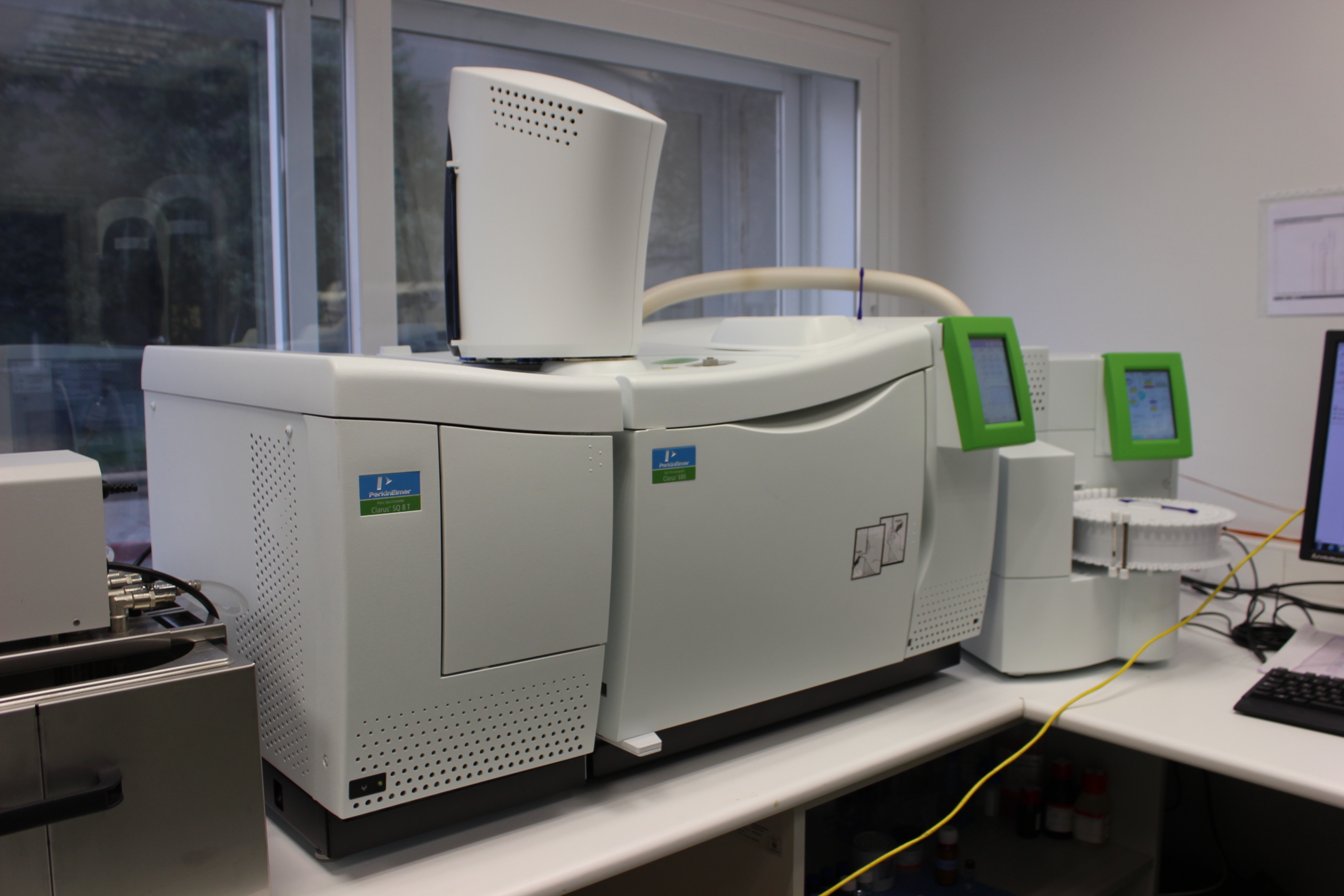
Another widely used technique is gas chromatography, considered one of the most accurate methods for determining the complete composition of biogas, including trace compounds such as siloxanes. Although it offers high accuracy, it requires specialized personnel and laboratory analysis.
Portable equipment is also available for spot field measurements, ideal for inspections and quick checks. Colorimetric tubes, although less precise, can be used for rapid H₂S estimations.
Combining continuous monitoring with periodic detailed analyses provides a comprehensive view of biogas quality and facilitates efficient management of the industrial digester.

Would you like to characterize a biogas sample from your digester? Would you like to improve any of your industrial processes? Contact us!

Your success is our goal. We want to be your partner in the development of your projects, leveraging the power of innovation, flexibility, and the trust we provide. Together, we make a difference through new technologies.
Contact us and let’s build the future together!