Technologies
24 March 2026
Computer vision in the food industry
We explain how computer vision is transforming the food industry and improving the quality, safety, and efficiency of said industry.

Nowadays, due to the great progress of technology, new materials are being developed with increasingly innovative use cases. As a consequence, in many cases the response of these materials to adverse environmental conditions, such as high temperatures or extreme humidity, is unknown. Due to the lack of knowledge of the response of these new materials, it is essential to have the necessary tools to characterize the properties of the new materials. But not only the physicochemical properties are important in the control of new materials, but there are other properties that become very important when the materials come into contact directly or indirectly with people and can affect their health. Among others, it is important to highlight the evaluation of the response of materials with the microbiological world. Therefore, in this post, we are going to explain what they consist of and the importance of bactericide efficacy tests.
At ATRIA, we perform bactericidal efficacy tests to validate the performance of materials with antimicrobial properties. We tailor each study to meet the specific needs of our clients, whether by following current regulations or developing customized methodologies. If you need to verify the effectiveness of a material under real conditions, Contact us!
It is important to know the concept of bactericidal activity in order to evaluate the properties of new materials. First of all, it is necessary to differentiate between bactericidal activity and bacteriostatic activity. The bactericidal activity of a material is related to its ability to kill bacteria. These are substances that inhibit the enzymes that allow bacteria to survive. On the other hand, the bacteriostatic activity of a material is related to its ability to stop the growth of bacteria by inhibiting the synthesis of proteins involved in their propagation.
Therefore, a bactericide efficacy test consists of analyzing the capacity of a material to kill bacteria when subjected to environmental conditions of bacterial proliferation.
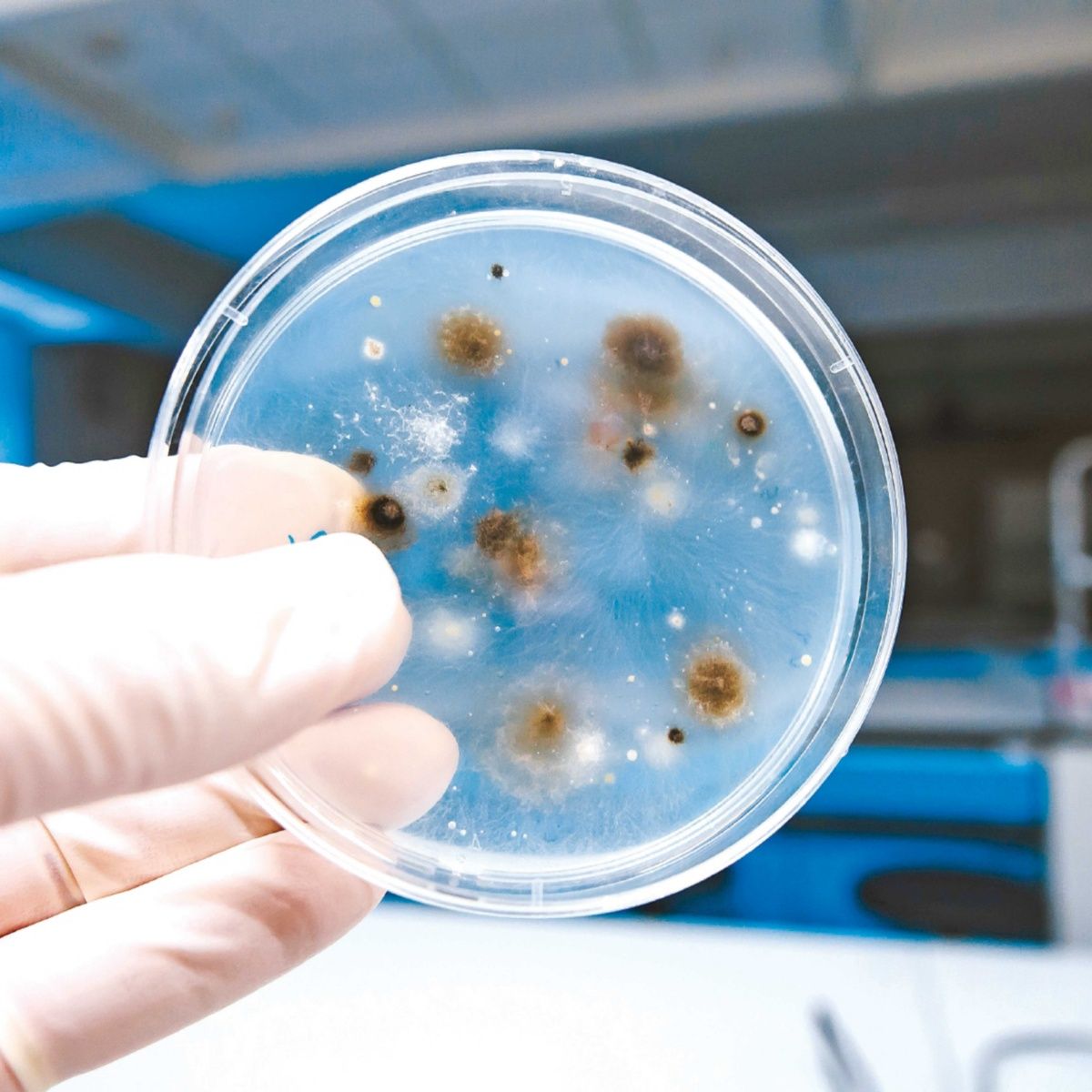
The most important parameters that define a bactericide test are those that allow us to ensure the growth of bacteria on our material. Therefore, it is essential to know which parameters directly influence the survival of bacterial activity in a controlled environment. The most important are the following:
When defining a bactericide assay in the most optimal way possible, two essential points must be taken into account:
At ATRIA we have extensive experience in evaluating the bactericide efficacy of new materials, from general cases supported by current regulations to specific cases where the methodology is defined in a customized way.
For each case study, we analyze the technical scenario proposed by the client and review the current regulations in order to adjust the study to be performed as much as possible. For example, if the objective is to validate a new bactericidal paint applied in an outdoor location, it is necessary to review the regulations that apply to these environmental conditions. On the other hand, if we are developing new materials and we do not have a defined application yet, bactericidal efficacy tests can be performed under general conditions, in order to evaluate improvements in our material.
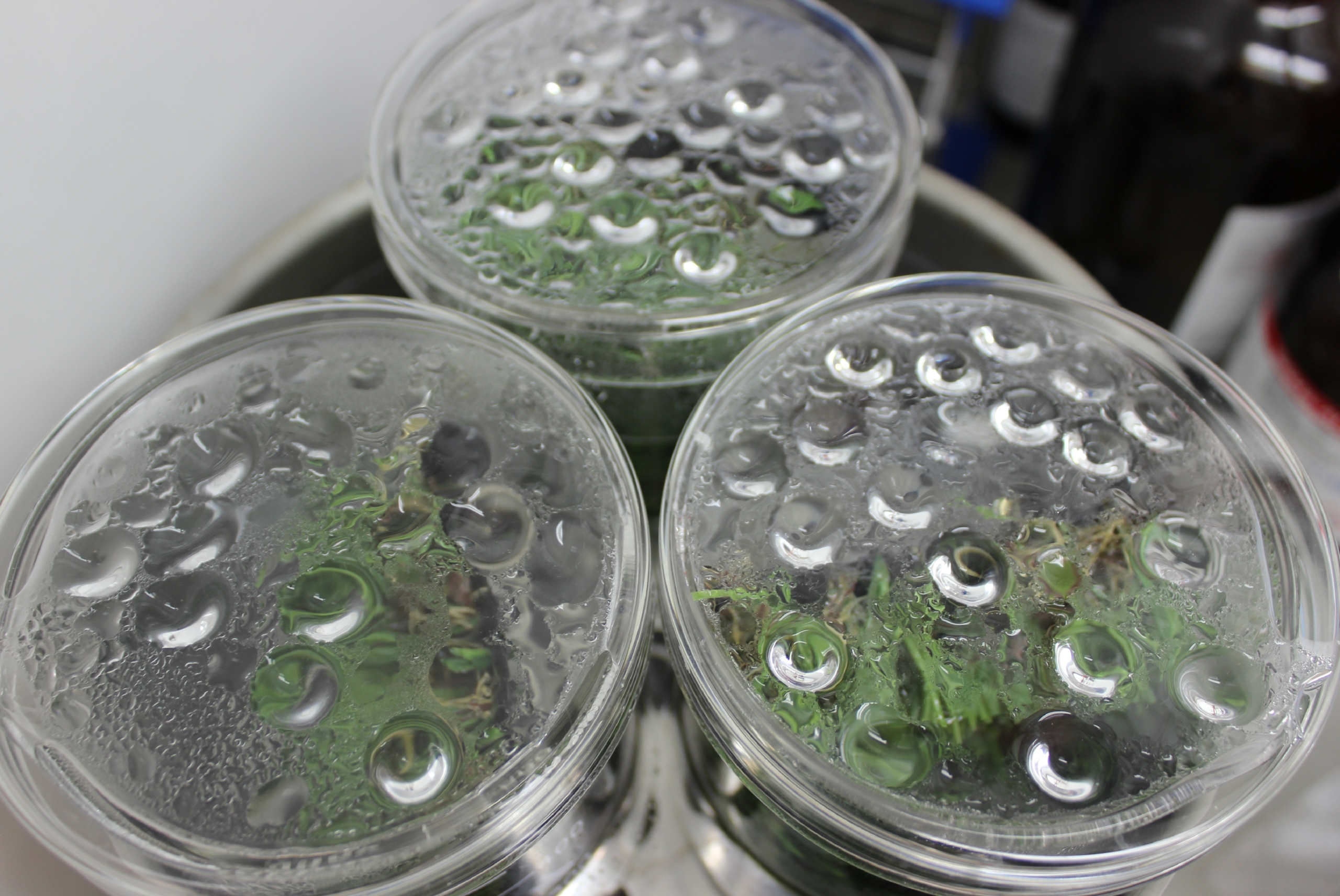
Bactericide tests can be applied to any material, from liquids applied on inert surfaces to materials coated or additivated with bactericidal agents. The most important factor is the possibility of taking a sample of our material that can be subjected to controlled environmental conditions in order to analyze bacterial growth.
Do you want to perform bactericide efficacy tests on any of your projects? Contact us!

Your success is our goal. We want to be your partner in the development of your projects, leveraging the power of innovation, flexibility, and the trust we provide. Together, we make a difference through new technologies.
Contact us and let’s build the future together!